B2B Event Marketing Playbook: Boost Salestech Pipeline and Conversion
-
- February 23rd, 2026
- 1,281 views

FREE SEO Topical Map Generator: Find Your Next Content Ideas
B2B event marketing remains a high-impact channel for Salestech companies aiming to fill the top of the funnel, accelerate deals, and build account-level relationships. Effective B2B event marketing aligns event formats, content, and technology with ideal customer profiles (ICPs) and sales workflows to turn attendees into qualified pipeline opportunities.
- Prioritize event selection by audience fit and intent signals.
- Use integrated lead capture and CRM workflows to qualify leads fast.
- Design follow-up sequences that map to buyer stage and account-based goals.
- Measure outcome-focused KPIs: pipeline created, conversion rate, deal velocity, and event ROI.
B2B event marketing: why it matters for Salestech
Events—virtual, hybrid, and in-person—offer high-quality, permissioned engagement opportunities that are particularly valuable for Salestech vendors selling to complex buyers. B2B event marketing supports product demonstrations, proof-of-concept conversations, and executive alignment, which are critical steps in enterprise and mid-market procurement cycles. Events also generate rich behavioral and intent data that can feed account-based marketing and predictive scoring models.
Plan with the buyer and business objectives in mind
Define goals and target accounts
Start by clarifying whether the event’s primary goal is lead generation, pipeline acceleration, customer retention, or partner enablement. Map goals to measurable KPIs, such as number of qualified meetings, net-new pipeline value, or trial activations. Use criteria like industry, company size, and technographic fit to build an ICP or a target account list for an account-based approach.
Choose the right event formats
Different formats serve different stages of the funnel. Trade shows and industry conferences work well for outbound prospect discovery and brand visibility. Webinars and workshops serve mid-funnel education and product deep dives. Small roundtables and executive dinners are effective for high-touch ABM conversations. Hybrid designs can combine broad reach with high-touch conversion tactics.
Event technology and data integration
Essential tools and integrations
Implement an event tech stack that integrates with the CRM and marketing automation system to ensure lead records flow into sales workflows without manual re-entry. Tools for badge scanning, virtual engagement analytics, session attendance, and polling produce signals used by lead scoring and routing rules. Store consent and communication preferences in customer records to stay aligned with privacy regulations such as GDPR or CCPA.
Capture behavioral intent
Use session attendance, content interactions, meeting requests, and product demo sign-ups as intent signals. Combine these with external intent data and website behavior to refine lead scores. Coordinate scoring thresholds with sales to trigger timely outreach—high-intent signals should create actionable alerts for reps or SDR teams.
Program design: content, experience, and conversion
Design attendee journeys
Map the attendee journey before, during, and after the event. Pre-event communication should set expectations and surface value. Onsite or virtual experiences should prioritize interactive demonstrations, problem-focused content, and clear calls to action to schedule follow-ups. Post-event activity should include personalized outreach, content tailored to session interests, and automated nurture tracks linked to buyer stage.
Maximize onsite engagement
For in-person events, use structured touchpoints—scheduled demos, roundtable invites, or product clinics—that convert casual interest into conversations. For virtual events, leverage breakouts, live Q&A, and downloadable assets gated by short qualification forms. Incentivize meeting scheduling during the event window to preserve momentum.
Qualification, routing, and follow-up processes
Define qualification criteria and SLAs
Create explicit qualification rules for leads captured at events: required firmographics, intent signals, and buying timeline. Define service-level agreements (SLAs) for how quickly sales or SDRs must follow up. Faster follow-up improves conversion rates; aim for same-day contact when intent signals are strong.
Orchestrate multi-channel follow-up
Combine personalized email, phone outreach, LinkedIn messaging, and targeted retargeting ads in a coordinated sequence. Tailor messaging to the session attended or content consumed. For target accounts in ABM programs, include hyper-personalized asset bundles and executive outreach to increase engagement probability.
Measurement, compliance, and continuous improvement
Key metrics to track
Measure outcome-based metrics rather than vanity counts. Track net-new pipeline created, lead-to-opportunity conversion rate, average deal size from event-generated opportunities, deal velocity, and event ROI (revenue attributed minus event cost). Use A/B testing for messaging and follow-up sequences to improve conversion.
Follow privacy and industry standards
Document consent capture and data processing flows to meet regulatory requirements. Follow industry best practices for data use and marketing communications recommended by organizations such as the Event Industry Council and the Data & Marketing Association (DMA). For operational standards and credentialing, consult the Event Industry Council’s guidance for event professionals: Event Industry Council.
Aligning sales and marketing around event outcomes
Shared KPIs and handoffs
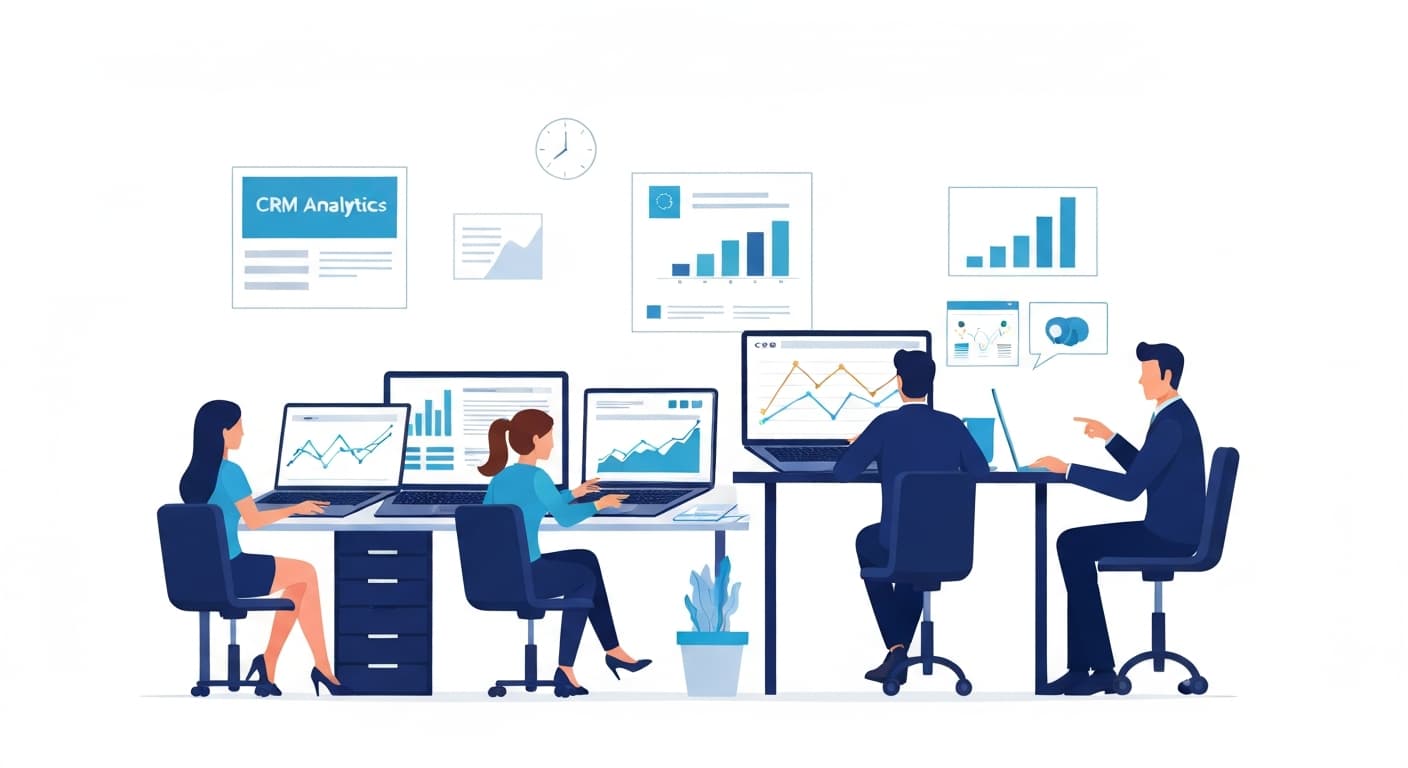
Create shared dashboards that display event-influenced pipeline and conversion metrics. Standardize lead handoff documentation with contextual notes from booth conversations or session questions so sales teams receive rich background for follow-up. Hold post-event handoffs and debriefs to capture learnings and update playbooks.
Invest in training and enablement
Provide sales teams with playbooks for prescriptive outreach templates, demo scripts, and objection handling tailored to common issues surfaced at events. Enablement helps convert event interest into predictable pipeline outcomes.
Frequently asked questions
What is B2B event marketing and how does it support Salestech sales pipelines?
B2B event marketing uses in-person, virtual, and hybrid events to generate and nurture leads, demonstrate product value, and accelerate deals. For Salestech vendors, events create high-quality engagement and intent signals that feed lead scoring, account-based programs, and sales conversations, helping to move prospects through the pipeline more efficiently.
Which event metrics matter most for pipeline performance?
Focus on pipeline created, lead-to-opportunity conversion rate, average opportunity value from event leads, deal velocity, and ROI. Attendance and registrant counts are useful but secondary—connect attendance to downstream revenue metrics for better evaluation.
How should event data be integrated into CRM and marketing systems?
Automate data flow from event platforms into CRM and marketing automation to preserve context and consent records. Ensure lead records include session-level interactions and intent signals, and configure routing rules that trigger appropriate sales or nurture workflows based on scoring thresholds.