What is a Baling machine ?
-
- Published Updated
- 1,672 views
If you have ever worked in a factory recycling unit warehouse or scrap yard you probably know how quickly waste material can build up. A few bags of plastic or a stack of cardboard may not seem like much in the morning. By the end of the day however the same material can occupy a large part of the available space.
Moving it around is another challenge. Loose material is difficult to stack neatly and can take more time to load and transport.
This is where a baling machine becomes useful.
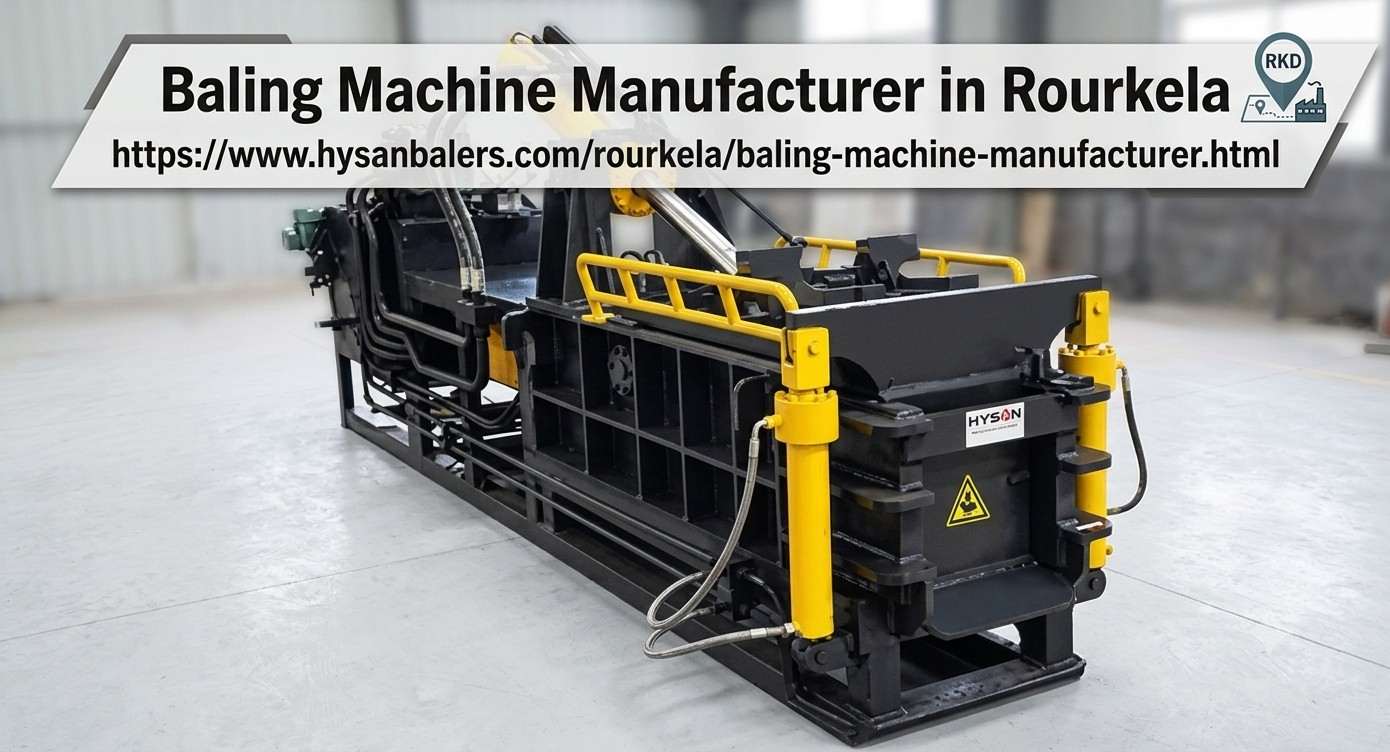
So what is a baling machine? It is simply a piece of equipment that presses loose material into a compact bundle usually called a bale. Once the material is compressed it becomes easier to store move and transport.
The concept is simple but for a business that handles waste or recyclable materials every day it can make routine work much more manageable.
What Problem Does a Baling Machine Solve?
Let's take a simple example.
Suppose a packaging company produces a large amount of cardboard every day. The cardboard cannot simply be left wherever there is space. It needs to be collected and stored until it can be sent for recycling.
If it stays loose the pile keeps getting bigger.
A baling machine changes the way that material is stored. Instead of keeping a large loose pile the cardboard can be compressed into compact bundles. These bundles take up less space and are easier to move.
The same idea can apply to plastic paper PET bottles and certain types of scrap.
It is basically a practical way of dealing with a problem that many businesses face every day: too much material and not enough convenient storage space.
How Does the Machine Compress Material?
The working process is fairly straightforward.
The material is placed into a chamber. The machine then uses a pressing mechanism to push the material together. In hydraulic equipment a hydraulic system creates the pressure needed for compression.
As the material is pressed its volume decreases. Once the desired bale size or density is reached the compressed material is tied or secured.
The bale can then be removed and moved to the storage or dispatch area.
Different machines work at different speeds and capacities. Some require the operator to perform several steps manually while automatic systems can reduce manual involvement.
The important thing is that the machine handles the heavy compression work which would otherwise require considerable physical effort.
What Can You Put Into a Baling Machine?
This depends on the machine.
Paper and cardboard are common materials in recycling operations. Plastic waste and PET bottles can also be compressed using suitable equipment.
Some businesses deal with metal scrap. In that case they may need a stronger machine designed specifically for the material and the required compression force.
This is why it is important not to buy equipment simply because it is described as a general-purpose baler.
Before choosing a machine think about what you actually want to compress. The material's weight shape size moisture and daily quantity can all influence the type of equipment required.
Why Do Hydraulic Balers Get So Much Attention?
There is a good reason hydraulic systems are widely used in industrial applications.
They can generate a significant amount of pressure while allowing the operator to control the compression process. This makes them suitable for businesses that need to process material regularly.
For example a small recycling center may have a completely different requirement from a large manufacturing plant. The two businesses may both need a baler but they may need different capacities and configurations.
A hydraulic baler manufacturer can offer different options based on factors such as chamber size pressure bale dimensions and operating cycle.
So more powerful does not always mean more suitable. The machine should match the job.
Where Are These Machines Used?
You will find baling equipment in many places where recyclable or waste materials are generated.
Recycling centers use it to prepare collected material for storage and transportation. Manufacturing companies may use it to manage suitable production scrap. Packaging units can use it for cardboard and plastic waste.
Warehouses may also benefit when packaging material starts taking up too much room.
Scrap businesses have their own requirements especially when they deal with heavier materials.
For businesses searching for a baling machine in Rourkela the same practical questions apply. What material needs to be processed? How much is generated each day? How much space is available?
Once these questions are answered it becomes easier to identify the appropriate machine.
What Is the Difference Between Horizontal and Vertical Models?
If you have started looking at baling equipment you may have noticed two common terms: horizontal and vertical.
The main difference is the way the material is compressed and how the machine is arranged.
Horizontal models can be suitable for operations that handle larger quantities of material. Their design may support higher-volume processing depending on the specifications.
Vertical models are generally more compact and can be useful where floor space is limited. They may also be practical for businesses with moderate workloads.
Neither option is automatically right for everyone.
A business should consider its material daily volume bale requirements available floor space and working process before deciding.
How Does Baling Fit Into Recycling?
A recycling business has many steps to manage.
Material needs to be collected. Then it needs to be sorted stored moved and transported. If the material remains loose throughout these stages handling it can become unnecessarily difficult.
Compression helps with one part of this process.
A recycling baling machine can turn suitable loose materials into compact bundles that are easier to stack and move. This can help make the storage area more organized and simplify transportation.
It is not a replacement for sorting or recycling itself. Instead it supports the material-handling side of the operation.
For a busy facility even this small improvement can make the daily workflow feel much smoother.
What Should You Ask Before Buying?
This is where businesses should slow down and think about their actual requirements.
Start with the material. What exactly are you going to bale?
Then look at quantity. How much material do you generate or receive each day?
After that consider the available space. A machine that fits perfectly into one facility may be inconvenient in another.
Bale size is another consideration. You should know how you want the finished bundles to be stored and transported.
Automation also matters. If the workload is high an automatic baling machine may help reduce some manual tasks. If the workload is smaller a simpler machine may be enough.
And don't forget about maintenance. Ask about spare parts servicing installation safety features and technical support before making the final decision.
Why Should You Work With an Experienced Manufacturer?
Buying industrial machinery is different from buying an everyday product.
You are not just paying for a machine. You are investing in equipment that is expected to work as part of your business for a long time.
This is why the manufacturer's experience and support can matter.
If you are looking for a Baling Machine Manufacturer in Rourkela explain your application clearly. Tell the manufacturer what material you handle how much you process what bale size you want and how much space you have.
This information gives them a much better understanding of your needs.
Good after-sales support is also important because even reliable equipment needs regular maintenance and occasional replacement parts.
How Can Hysan Balers Help?
Hysan Balers provides machinery for material handling recycling and waste-management applications.
The company offers equipment suitable for different materials and industrial requirements including applications involving paper plastic scrap and metal.
Instead of selecting equipment only by looking at a machine's capacity businesses can first discuss their application and operating conditions.
For example a company handling a moderate amount of cardboard may have different needs from a large scrap-processing facility. Understanding this difference can help in selecting a more appropriate setup.
Hysan Balers also serves businesses looking for industrial recycling and material-handling solutions in India.
Is an Expensive Machine Always the Right Choice?
Not necessarily.
It is easy to assume that a more expensive or more powerful machine will automatically be better. But industrial equipment should be selected according to the job it needs to perform.
If a business has a moderate workload buying equipment designed for a much larger operation may not make practical sense.
On the other hand choosing equipment that is too small can create problems when the workload increases.
The goal should be to find a balance between capacity performance operating requirements available space and budget.
An affordable baling machine can be useful when its specifications match the actual needs of the business rather than simply offering the lowest purchase price.
A Simple Way to Think About Baling
At its core baling is about making loose material easier to manage.
A large pile of cardboard is difficult to stack. A compact cardboard bale is much easier to handle.
A collection of loose plastic bottles can occupy a lot of space. Compressed bottles can be stored more efficiently.
The same basic idea applies to other suitable materials.
That is why this equipment has found a place in recycling centers factories warehouses packaging units and waste-handling businesses.
Conclusion
A baling machine is a practical solution for businesses that regularly deal with large quantities of loose material. It compresses suitable materials into compact bundles making them easier to store move and transport.
From paper and plastic to PET bottles and certain scrap materials different machines can be used for different applications.
The most important thing is to choose equipment based on the actual job. Material type daily quantity bale size floor space automation maintenance and budget all deserve attention.
Once you understand these requirements finding the right equipment becomes much simpler.
For businesses in Rourkela and other industrial areas working with an experienced manufacturer can also make the selection process easier. A good machine should not simply look impressive—it should fit naturally into the way your business works every day.