Barrier Films for Food Packaging: Types, Performance and Sustainable Solutions
-

- Published Updated
- 1,235 views
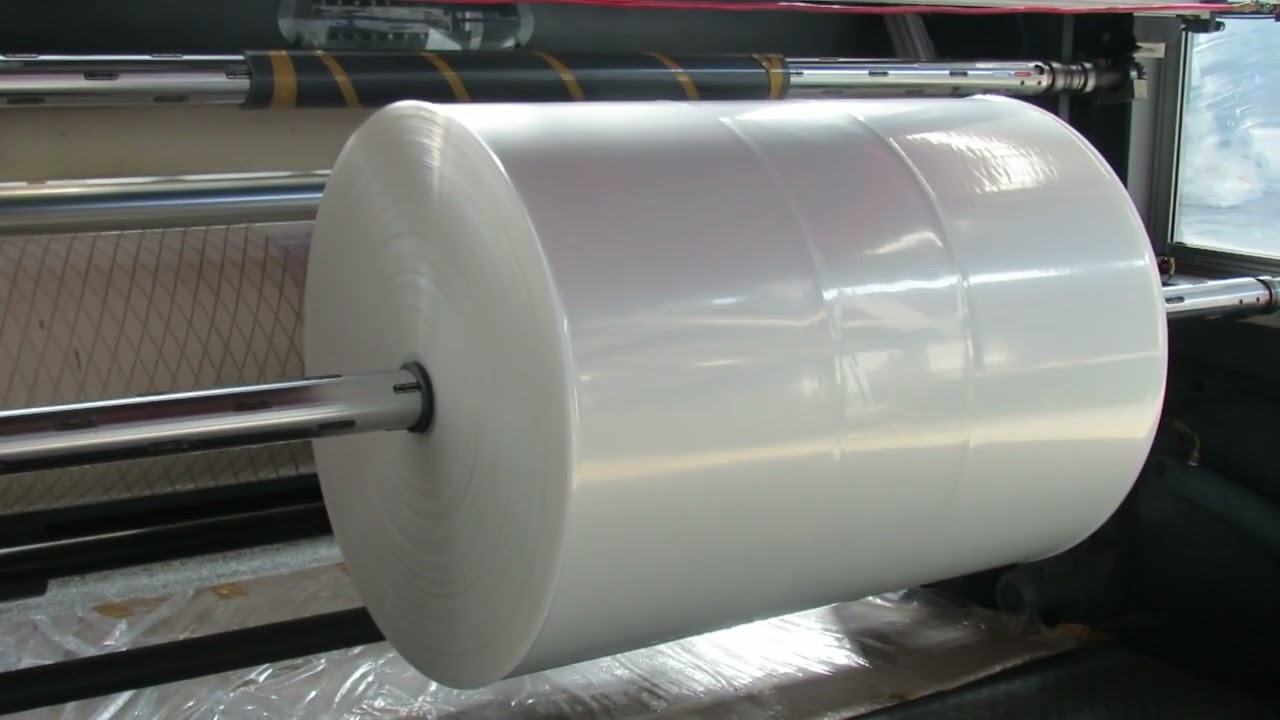
Barrier films for food packaging are engineered polymer layers or laminates designed to control the passage of gases, moisture, aromas and light to protect food quality and extend shelf life. These films are widely used across fresh produce, meat, dairy, bakery and ready-to-eat meals where controlling oxygen transmission rate (OTR), water vapor transmission rate (WVTR) and aroma migration is critical.
- Barrier films reduce exposure to oxygen, moisture and contaminants to slow spoilage and sensory changes.
- Main types include metallized films, multilayer polymer laminates, and high-barrier resins such as EVOH and PVDC.
- Key performance metrics are OTR and WVTR; standardized tests (ASTM, ISO) are used for specification and compliance.
- Regulatory compliance for food contact materials is required; testing and migration limits are set by agencies such as the FDA and EFSA.
- Recyclability and mono-material barrier solutions are emerging to address circular economy goals.
Barrier films for food packaging: overview
Barrier films combine physical structure, chemical composition and coatings to achieve targeted protection. Common base polymers include polyethylene (PE), polyethylene terephthalate (PET), polypropylene (PP) and polyamide (PA). Additional high-barrier materials such as ethylene vinyl alcohol (EVOH), polyvinylidene chloride (PVDC) and aluminum foil or metallized layers are incorporated to lower OTR and WVTR. Selection depends on the food product, desired shelf life, processing methods (e.g., heat seal, retort) and end-of-life requirements like recyclability.
How barrier properties are measured and specified
Quantifying barrier performance relies on standardized laboratory tests. Oxygen transmission rate (OTR) measures the amount of oxygen passing through film under specified temperature and humidity, commonly using ASTM D3985. Water vapor transmission rate (WVTR) is measured with methods such as ASTM F1249. Additional tests evaluate aroma transmission, seal strength, puncture resistance and optical clarity. Performance specifications should include test method, test conditions (temperature, relative humidity) and acceptable limits aligned with product shelf-life goals.
Common materials and constructions
Multilayer laminates
Multilayer structures combine layers with complementary properties: an outer abuse-resistant film (PET or PP), a high-barrier core (EVOH, PVDC or aluminum), and a sealant layer (PE). Coextrusion and adhesive lamination are typical manufacturing routes. These designs provide tailored protection and mechanical performance but can complicate recycling when dissimilar polymers are permanently bonded.
Metallized and foil barriers
Aluminum foil and metallized films offer near-impermeable barriers to light, oxygen and moisture. Metallization is lighter and often more cost-effective but provides lower barrier than foil. Both are common in pouches, trays and flexible wraps for products that require long shelf life or light-sensitive protection.
Coatings and surface treatments
Thin barrier coatings, applied by vacuum deposition or chemical vapor deposition, can impart barrier functionality to otherwise recyclable substrates. Examples include ceramic-like coatings or barrier lacquers that reduce oxygen or vapor permeability while using less material than thick laminates.
Design considerations: food safety, processing and shelf life
Packaging engineers evaluate barrier performance relative to the food's sensitivity to oxygen, moisture, light and microbial growth. Modified atmosphere packaging (MAP) often pairs barrier films with controlled gas mixes to extend shelf life. Heat resistance and seal integrity are essential for thermal processes such as pasteurization and retort. Regulatory compliance for food contact materials is required; guidance and approval processes vary by region. For example, national food safety authorities publish rules for food contact substances and migration testing—industry references include the U.S. Food and Drug Administration for contact substance evaluations: U.S. Food and Drug Administration.
Environmental and end-of-life options
Recycling multilayer barrier films is challenging when layers are chemically incompatible. Industry trends emphasize mono-material barrier solutions (e.g., all-polyolefin laminates) and easily separable constructions to improve recyclability. Biobased polymers and compostable barrier coatings are under development, but performance and certified compostability standards (such as EN 13432 in Europe) must be verified for specific applications. Life-cycle analysis and local recycling infrastructure should guide material selection to meet sustainability goals without compromising food safety.
Testing, regulation and quality assurance
Quality control includes incoming material verification, in-line checks for pinholes and seal integrity, and shelf-life testing under real-time and accelerated conditions. Regulatory bodies and standards organizations provide frameworks for migration testing, labeling and safety assessment. Relevant standards include ASTM and ISO test methods for transmission rates and mechanical properties. Compliance also involves traceability and documentation to demonstrate that materials are suitable for intended food contact uses.
Common applications and examples
Barrier films are used in vacuum pouches for meat, retort pouches for shelf-stable meals, high-barrier trays for dairy and cheese, modified atmosphere packs for fresh-cut produce, and flexible snack packaging. Each application balances barrier performance with cost, machinability, and consumer convenience features such as reclosability and microwaveability.
Choosing the right barrier film
Selection should be based on a matrix of product sensitivity (oxygen, moisture, light), required shelf life, processing constraints, regulatory compliance, and end-of-life targets. Collaboration with material suppliers, packaging engineers and food safety laboratories helps align barrier specifications with commercial and environmental objectives.
FAQ
What are barrier films for food packaging and how do they work?
Barrier films are polymer layers or laminates that reduce the transfer of oxygen, moisture, aromas and light. They work by combining materials with low permeability (EVOH, foil, metallized layers) and sealant layers to create a controlled microenvironment that slows chemical and microbial spoilage.
How are OTR and WVTR different and why do they matter?
OTR measures oxygen permeability and informs how quickly oxidative spoilage may occur. WVTR measures water vapor passage and affects texture, drying and microbial growth. Both metrics are essential for predicting shelf life and must be specified under defined temperature and humidity conditions.
Are high-barrier films recyclable?
Recyclability depends on construction. Mono-material barriers and mechanically separable laminates are easier to recycle. Multilayer laminates with incompatible polymers or metallized coatings can be difficult for conventional recycling streams and may require specialized processes.
What regulations apply to barrier films used with food?
Food contact materials must meet regional food safety regulations, which specify allowed substances, migration limits and notification or approval processes. Guidance is provided by national agencies (for example the U.S. Food and Drug Administration) and by international standards organizations.
How can shelf life be validated for products using barrier films?
Shelf-life validation uses real-time storage tests and accelerated aging, combined with sensory, microbiological and chemical analyses. Test conditions and acceptance criteria should reflect the intended storage and distribution environment.