Advances in Beard Hair Transplant Technology in Dubai: Methods, Safety, and Costs
-
- February 23rd, 2026
- 1,241 views
Introduction
The evolution of beard hair transplant technology has changed how facial hair restoration is performed, and Dubai has emerged as a notable center for clinics offering these services. Advances in extraction, implantation, anesthesia, and imaging have improved outcomes and reduced downtime for patients seeking fuller beards or correction of scarring. This article outlines the main techniques, safety considerations, and what to expect when pursuing a beard hair transplant in Dubai.
- Beard hair transplant technology now commonly uses follicular unit extraction (FUE) and robotic assistance for precise graft handling.
- Safety, licensing, and facility accreditation are overseen locally by bodies such as the Dubai Health Authority (DHA).
- Recovery typically involves minor swelling and scabbing for up to two weeks; visible results develop over several months.
- Costs vary by technique, graft count, and clinic; patients should verify credentials and ask about complication management.
How beard hair transplant technology works
Modern beard hair transplant technology focuses on harvesting individual hair follicles and implanting them to mimic natural beard patterns. Two principal harvesting methods are used:
Follicular Unit Extraction (FUE)
FUE involves removing individual follicular units from a donor area—commonly the scalp—using small punches. FUE minimizes linear scarring and allows selection of single-hair grafts suited for natural-looking beard lines. Manual and motorized extraction tools are used depending on surgeon preference and graft characteristics.
Follicular Unit Transplantation (FUT)
FUT, or strip harvesting, removes a strip of donor skin from which grafts are dissected. FUT can yield a higher total number of grafts in a single session but leaves a linear scar at the donor site. FUT is less common for beard-only procedures where small, fine grafts are preferred.
Technological advances influencing outcomes
Robotic and computer-assisted systems
Robotic systems and image-guided planning tools assist in graft harvesting and in creating implantation plans that respect facial anatomy and hair angulation. These systems can improve precision and reduce handling time for grafts, which helps graft survival.
Microsurgical instrumentation and graft care
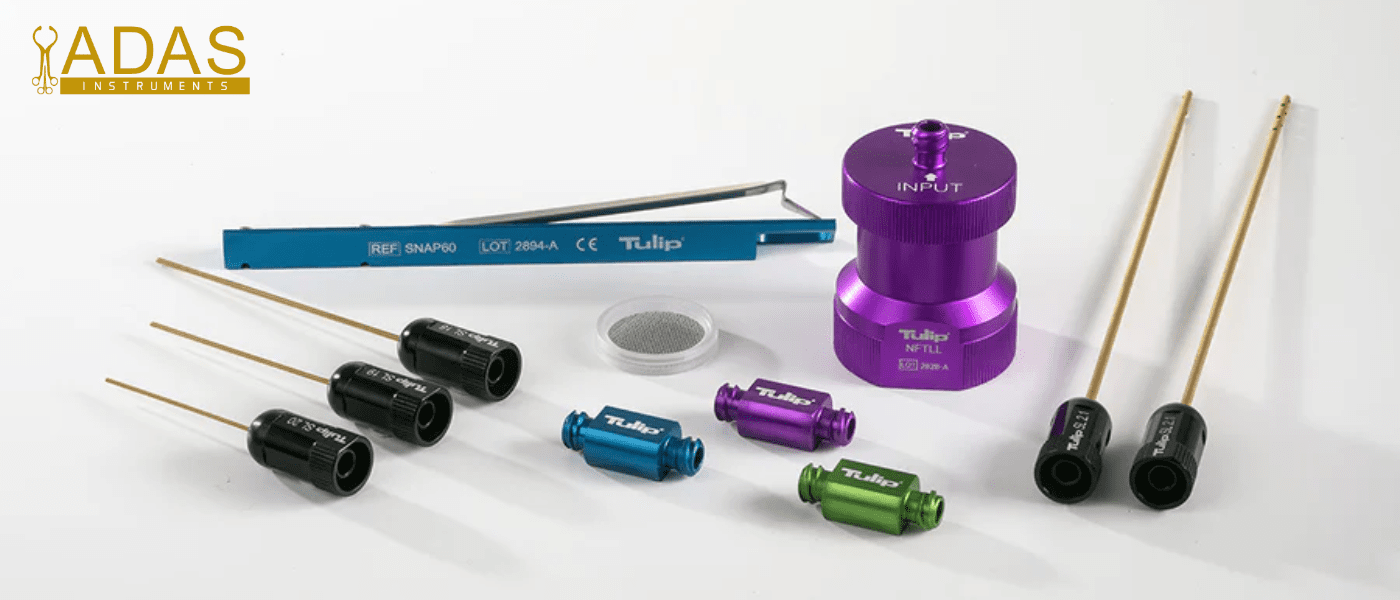
Improved microforceps, slit-making devices, and storage media for grafts reduce trauma during placement. Temperature-controlled graft storage and reduced ischemia time contribute to higher survival rates, according to multiple technical reviews and clinical reports in dermatology literature.
Clinical standards, regulation, and training in Dubai
Clinics in Dubai operate under the oversight of local regulators such as the Dubai Health Authority (DHA) and the Ministry of Health and Prevention for licensing and facility standards. Professional societies, training programs, and international guidelines from organizations like the International Society of Hair Restoration Surgery help set clinical best practices and ethical standards.
When evaluating providers, verify surgeon credentials, facility accreditation, and whether follow-up care and complication management are included. A reputable clinic will document patient outcomes and maintain clear informed consent procedures.
Patient selection, preparation, and recovery
Who is a candidate?
Typical candidates include individuals with patchy facial hair, scarring that affects beard growth, or those seeking aesthetic augmentation. Medical evaluation should rule out underlying dermatologic or hormonal conditions that may affect hair growth.
Preparation and procedure day
Pre-procedure steps may include avoiding certain medications that increase bleeding risk and planning for post-procedure downtime. Local anesthesia is commonly used. Sessions can last several hours depending on graft count and complexity.
Recovery and timeline
Initial side effects often include localized swelling, redness, and small scabs at implantation sites. These usually resolve within one to two weeks. Transplanted hairs commonly shed within a few weeks and then begin to regrow over several months, with final cosmetic results often established by 9–12 months.
Costs, financing, and realistic expectations
Costs for beard hair transplant technology in Dubai vary widely, influenced by graft number, technique (manual FUE, robotic-assisted FUE, or FUT), surgeon experience, and clinic location. Transparent pricing should include preoperative assessment, the procedure, and postoperative follow-up. Some clinics provide itemized quotes with graft counts and expected timelines for results.
Safety considerations and complications
Common minor issues
Minor complications may include transient swelling, infection risk at incision sites, temporary numbness, or uneven growth that may require revision. Meticulous surgical technique and postoperative care reduce these risks.
When to seek further care
Persistent pain, increasing redness, or signs of infection require timely clinical assessment. Clinics should provide clear instructions for emergency contact and management of complications.
Research, outcomes, and ongoing innovation
Ongoing research published in dermatology and surgical journals evaluates graft survival rates, optimal donor selection, and novel adjuncts such as platelet-rich plasma (PRP) to support healing. Comparative studies and registry data help refine best practices and patient selection criteria.
For guidance on clinical standards and training, professional resources such as the International Society of Hair Restoration Surgery offer educational materials for clinicians and patients: ishrs.org.
Choosing a clinic in Dubai
Assess credentials, before-and-after case documentation, patient reviews, and clinic accreditation. Confirm that preoperative assessment, anesthesia protocols, and postoperative follow-up are well defined. Consider seeking a second opinion if uncertainty exists about candidacy or technique choice.
Frequently asked questions
What is beard hair transplant technology and how does it differ from scalp transplantation?
Beard hair transplant technology refers to the techniques and tools used specifically to restore or augment facial hair. It emphasizes graft selection for single-hair follicular units, angulation for natural beard growth, and often uses FUE harvesting rather than strip techniques typically seen in scalp transplantation.
How long does recovery take after a beard hair transplant?
Most patients experience visible recovery from swelling and scabbing within one to two weeks. Hair shedding and regrowth follow over several months, with more stable final results often evident by 9–12 months.
Are results permanent?
Transplanted follicles generally behave like the donor area and can produce long-term hair growth. Longevity depends on donor hair characteristics, surgical technique, and individual factors. Follow-up and possible touch-ups may be discussed during planning.
How are clinics regulated in Dubai?
Medical facilities in Dubai are subject to licensing and oversight by the Dubai Health Authority (DHA) and other relevant governmental bodies. Confirm that the clinic and physicians are registered with the appropriate regulators and that procedures are performed in accredited facilities.
What factors influence the cost of a beard hair transplant in Dubai?
Cost factors include the number of grafts, technique (manual versus robotic-assisted harvesting), surgeon experience, facility fees, and included follow-up care. Clinics should provide detailed quotes and explain what is covered.
Disclaimer: This article provides general information about beard hair transplant technology and related practices. It does not substitute for professional medical advice, diagnosis, or treatment. Verification of credentials and consultation with licensed clinicians is recommended before any procedure.