Best Hair Loss Treatments in Dubai: Options, Costs, and How to Choose
-
- Published Updated
- 1,231 views
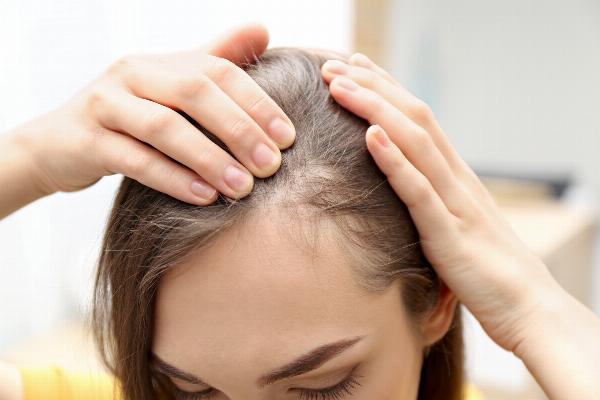
Finding evidence-based hair loss treatments Dubai requires comparing clinical options, costs, and outcomes. This guide summarizes the leading medical and surgical options available in Dubai, explains how they work, and offers a practical checklist for choosing a clinic and treatment path.
Top treatment types in Dubai include medical therapy (minoxidil, finasteride), platelet-rich plasma (PRP), low-level laser therapy (LLLT), and surgical hair transplants (FUE/DHI). Costs vary by clinic, case complexity, and technology. Use the HAIRS Decision Checklist below to compare options, and consult a certified dermatologist or trichologist before committing.
Detected intent: Commercial Investigation
hair loss treatments Dubai: What works and why
Treatment selection is driven by diagnosis—pattern hair loss (androgenetic alopecia), telogen effluvium, scarring alopecia, or medical causes such as thyroid disease. Common effective interventions are:
- Topical minoxidil — FDA-cleared for androgenetic alopecia; promotes follicle size and prolongs growth phase.
- Oral finasteride — 5-alpha-reductase inhibitor for men; reduces hormonal miniaturization.
- PRP for hair loss Dubai — platelet-rich plasma injections to stimulate follicles; widely offered as adjunctive therapy.
- Surgical transplants (FUE, DHI) — single-hair follicle harvest and implantation for permanent restoration.
- Low-level laser therapy (LLLT) and mesotherapy — noninvasive supportive options for some patients.
For evidence-based guidance on diagnosis and approved therapies, see the American Academy of Dermatology: American Academy of Dermatology.
How clinics in Dubai differ: costs, technology, and specializations
Dubai clinics vary by surgeon experience, device brands, and bundled services (pre-op labs, PRP, follow-up). Typical cost drivers:
- Number of grafts for FUE/DHI
- Use of robotic assistance or advanced implanters
- Combination therapies (PRP + minoxidil + transplant)
- Surgeon credentials and clinic accreditation
Named framework: HAIRS Decision Checklist
Apply this five-point checklist when evaluating treatment and clinic options:
- History & Diagnosis — Confirm cause with blood tests and scalp exam.
- Alternatives — List non-surgical vs surgical paths and timelines.
- Impact & Expectations — Document realistic outcomes and photos.
- Risks & Aftercare — Understand side effects and follow-up protocols.
- Surgeon & Setting — Verify qualifications, before/after galleries, and infection control.
Practical patient scenario
Example: A 32-year-old man with early male-pattern hair loss (Norwood II–III) chooses between starting oral finasteride + topical minoxidil or booking an early FUE. After a diagnostic workup, the HAIRS checklist recommended starting medical therapy for 6–12 months to stabilize loss. PRP was added at month 3 to support regrowth. Transplant deferred unless miniaturization progresses. This staged approach reduced unnecessary surgery and clarified long-term needs.
Practical tips for choosing a clinic and treatment in Dubai
- Request a documented diagnosis and objective photos before accepting treatment.
- Confirm surgeon credentials and ask about complication rates and revision policies.
- Compare bundled pricing but watch for hidden costs: lab tests, medicines, and follow-up sessions.
- Seek a second opinion if recommendations jump straight to major surgery without trials of medical therapy when appropriate.
Common mistakes and trade-offs
Common errors include choosing a clinic based on price alone, skipping diagnostic tests, or expecting immediate transplant-like results from PRP or topical therapy. Trade-offs to weigh:
- Non-surgical options (minoxidil, finasteride, PRP) have lower upfront cost and risk but need ongoing maintenance.
- Surgical transplants provide lasting density but require recovery time, higher cost, and possible future sessions.
- Aggressive marketing for guaranteed outcomes should be treated with caution; realistic expectation setting is essential.
Core cluster questions
- How to compare hair transplant techniques (FUE vs DHI) in Dubai?
- What is the typical cost per graft for FUE in Dubai?
- How effective is PRP combined with medical therapy for androgenetic alopecia?
- What pre-op tests are recommended before surgical hair restoration?
- How to evaluate long-term follow-up and revision policies at hair clinics?
Related terms and professionals to know
Terms: androgenetic alopecia, alopecia areata, telogen effluvium, follicular unit extraction (FUE), direct hair implantation (DHI), platelet-rich plasma (PRP), low-level laser therapy (LLLT).
Professionals: dermatologist, trichologist, hair transplant surgeon, certified nurse or technician for PRP/LLLT.
Next steps and what to bring to the consultation
Bring recent photos, a list of medications and supplements, medical history, and any prior hair-loss treatments tried. Ask for an individualized plan with timelines and measurable milestones.
FAQ: What are the top hair loss treatments in Dubai?
Top options include topical minoxidil and oral finasteride for medical therapy, PRP injections as an adjunct, LLLT devices for maintenance, and surgical transplants (FUE/DHI) for permanent restoration. Treatment selection depends on diagnosis, degree of hair loss, and patient goals.
How long does it take to see results from PRP or minoxidil?
Expect 3–6 months for visible improvement with minoxidil or PRP; optimal results often require repeated sessions and combined therapy. Hair growth cycles mean changes are gradual.
How to choose between FUE and non-surgical options?
Choose non-surgical therapy first if hair loss is early or active; consider FUE when donor supply is adequate and medical therapies have stabilized loss or are insufficient. Use the HAIRS Decision Checklist to guide selection.
Can women get the same treatments available in Dubai?
Many treatments are suitable for women (topical minoxidil, PRP, LLLT). Oral finasteride is generally not recommended for women of childbearing potential. Always consult a dermatologist for gender-specific guidance.
What should be included in follow-up care after a hair transplant?
Follow-up should include wound checks, guidance on washing and activity, documented progress photos, and a plan for any supplementary treatments like PRP or medical maintenance therapy to protect native hair.