Choosing the Best High-Density Fog Liquids for Concerts and Clubs: Safety and Performance Guide
-

- Published Updated
- 292 views
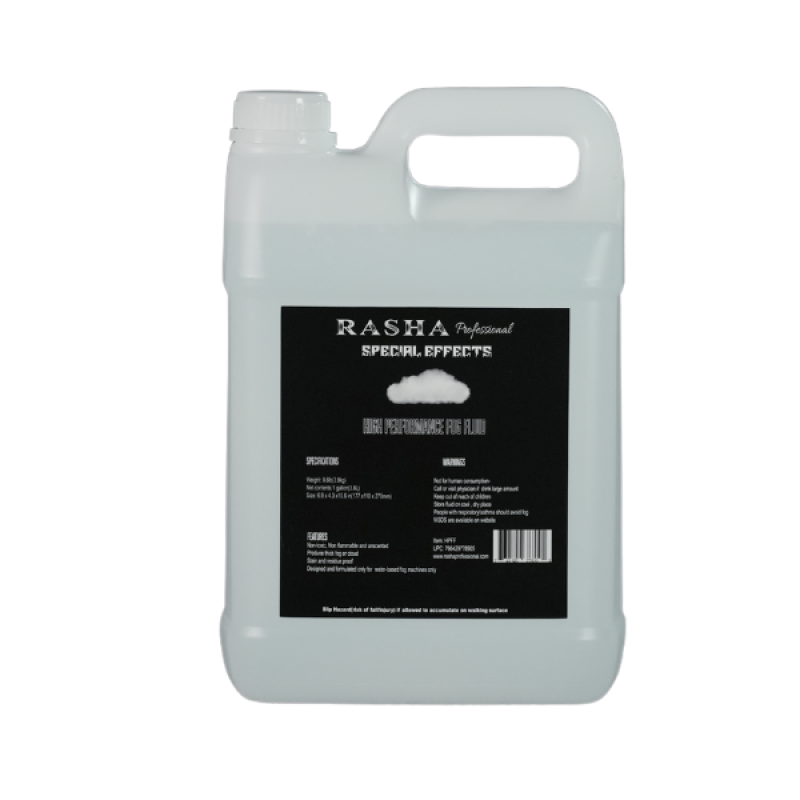
Picking the right high-density fog liquids matters for atmosphere, visibility, and safety at concerts and clubs. This guide explains what high-density fog liquids are, how they behave in performance spaces, and how to choose a fluid that balances visual impact with air quality, equipment compatibility, and venue rules.
- High-density fog liquids create thick, low-lying or concentrated plumes suitable for concerts and clubs.
- Key choices are glycol-based vs glycerin-based formulas, concentration, and whether a low-odor formula is required.
- Use the CLEAR checklist to evaluate fluids (Composition, Load, Environment, Airflow, Regulations).
- Follow venue ventilation and manufacturer safety guidance (see OSHA link in Safety & ventilation).
Choosing high-density fog liquids
High-density fog liquids are designed for stronger, more opaque fog and often use higher concentrations of glycols (propylene glycol, dipropylene glycol) or glycerin blends to increase droplet mass. For concerts and clubs, the primary considerations are the desired visual density, machine compatibility, odor, residue, and health or venue restrictions.
How high-density fog liquids work and common formulations
Glycol-based vs glycerin-based fog fluids
Glycol-based fog fluids typically vaporize cleanly at medium-to-high heat and produce dense, billowing clouds. Glycerin-based fluids can create heavier droplets that linger but may leave more residue. Both classes often use propylene glycol (lower toxicity profile) or other glycols for performance tuning.
Low-odor fog fluid for clubs
Low-odor formulas reduce the chemical smell that can bother performers and patrons. These are useful in enclosed venues with limited ventilation but can have trade-offs in hang time or droplet size.
CLEAR checklist for selecting fog fluid
Named framework: use the CLEAR selection checklist to evaluate candidate fluids before purchase.
- Composition — Identify base (propylene glycol, glycerin) and additives.
- Load — Match fluid concentration to the machine’s recommended fluid profile.
- Environment — Consider room size, ceiling height, and desired hang time.
- Airflow — Check HVAC capabilities and how fog will move through the audience area.
- Regulations — Verify venue rules, local codes, and any performer or audience health constraints.
Practical selection steps and compatibility
Start by checking the fog machine or hazer manufacturer’s fluid compatibility list. Then apply the CLEAR checklist: pick a composition that delivers the density desired without exceeding machine heat or pump limits. Test a small quantity during a load-in to confirm odor, residue, and how the fog behaves with venue ventilation.
Real-world example
Scenario: A 1,200-capacity club with a 12 ft ceiling wants short, dense bursts for a DJ set. The technical team chooses a mid-concentration propylene glycol formula labeled for high-density effects, runs two short tests before doors, and boosts exhaust airflow between songs to avoid build-up. Results: strong short-term plumes that dissipate quickly when fans activate.
Safety & ventilation (regulatory reference)
Maintain adequate ventilation and follow occupational guidance for indoor air quality. For actionable best practices on indoor air and ventilation, consult official workplace guidance such as OSHA’s indoor air quality resources (OSHA). Also follow the fog machine manufacturer’s safety instructions to avoid overheating or pump damage.
Trade-offs and common mistakes
Trade-offs to consider
- Performance vs residue: denser fluids can leave more residue on surfaces and equipment.
- Hang time vs ventilation: long-hanging fog enhances visuals but increases exposure and may trigger smoke detectors if not coordinated correctly.
- Odor control vs density: low-odor fluids may produce less hang time or less dense effect at the same volume.
Common mistakes
- Using a high-density fluid in an incompatible machine—this can clog nozzles or overheat the unit.
- Skipping a small-scale test in the actual venue environment.
- Ignoring local regulations or venue-specific restrictions on aerosolized fluids.
Practical tips for operators
- Always run a controlled pre-show test to confirm density, odor, and residue in the actual space.
- Document fluid batch numbers and keep safety data sheets (SDS) accessible for staff and venue management.
- Coordinate with venue HVAC to schedule short increases in exhaust during heavy fog cues to manage accumulation.
- Use appropriate PPE and follow SDS guidance when handling concentrated fluids or cleaning residue.
Core cluster questions
- What differences do propylene glycol and glycerin make in fog density and residue?
- How to test fog fluid compatibility with a specific hazer or fog machine?
- What ventilation rates are recommended for indoor fog effects at concerts?
- How to minimize residue on lighting fixtures and speakers after fog use?
- Which fog fluids produce the best low-lying effects with chilled air?
FAQ
Are high-density fog liquids safe for indoor concerts?
When used according to manufacturer guidelines, with proper ventilation and SDS compliance, most high-density fog liquids formulated with propylene glycol are considered acceptable for indoor use in performance settings. Ensure venue HVAC can handle periodic increases in particulate load and keep SDS documents on site.
How do glycol-based fog fluids differ from glycerin-based fluids?
Glycol-based fluids generally vaporize into smaller droplets that produce dense visual clouds with less sticky residue compared with glycerin blends, which can produce heavier droplets and more surface residue. Exact behavior varies by formulation and concentration.
Can fog set off smoke detectors and how is that prevented?
Fog can trigger detectors if particles reach smoke-sensor thresholds. Preventative steps include using appropriate detector zoning, coordinating cues with venue staff, using detectors designed for performance spaces, and ventilating promptly after dense cues.
How often should equipment be cleaned after using high-density fog fluids?
Cleaning frequency depends on usage intensity. For regular concert use, inspect and clean lens surfaces, speaker grilles, and mechanical vents weekly; more frequent cleaning may be needed after heavy runs to avoid residue build-up.
What is the best way to test a new fog fluid before a show?
Run a small-scale test in the venue during setup, observe density, hang time, odor, and any residue after 30–60 minutes. Check for changes in lighting appearance and confirm no interference with detectors or HVAC. Record results and volume used for repeatable cues.