Comprehensive Guide to Eyebrow Lift Surgery in Riyadh: Procedures, Recovery, and Best Practices
-

- Published Updated
- 474 views
Eyebrow lift surgery in Riyadh — overview
Intent: Informational
The phrase eyebrow lift surgery in Riyadh covers a set of cosmetic procedures used to reposition the brow, reduce forehead lines, and restore a more youthful eye area. This guide explains common techniques, preparation and aftercare steps, practical trade-offs, and a checklist that patients and clinicians can use when planning a safe and predictable result.
Key points: verify surgeon credentials and facility, choose the right technique for anatomy (endoscopic, temporal, direct), plan anesthesia and recovery, expect a 1–4 week visible recovery timeline, and follow the SAFE-BROW checklist below for safer outcomes.
Which eyebrow lift techniques are used in Riyadh
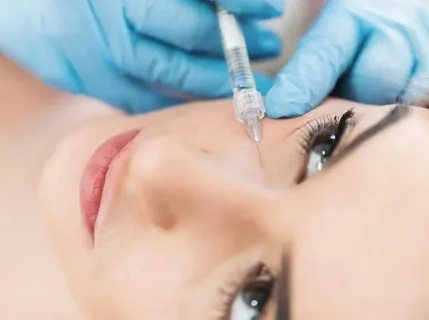
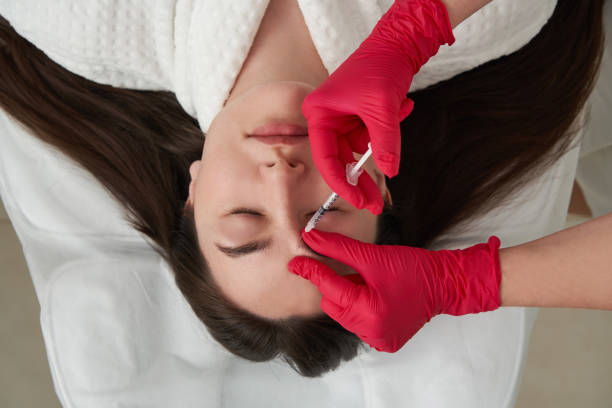
Surgeons in Riyadh perform several established methods depending on patient goals and anatomy: endoscopic brow lift, temporal (lateral) lift, direct brow lift, and combined approaches with upper blepharoplasty. Related terms that appear across consultations include forehead lift, endoscopic lift, temporal lift, and direct brow lift. Non-surgical alternatives (threads, neuromodulators, fillers) can be complementary for mild ptosis but are not true surgical lifts.
Endoscopic techniques and endoscopic brow lift Riyadh
How endoscopic brow lift works
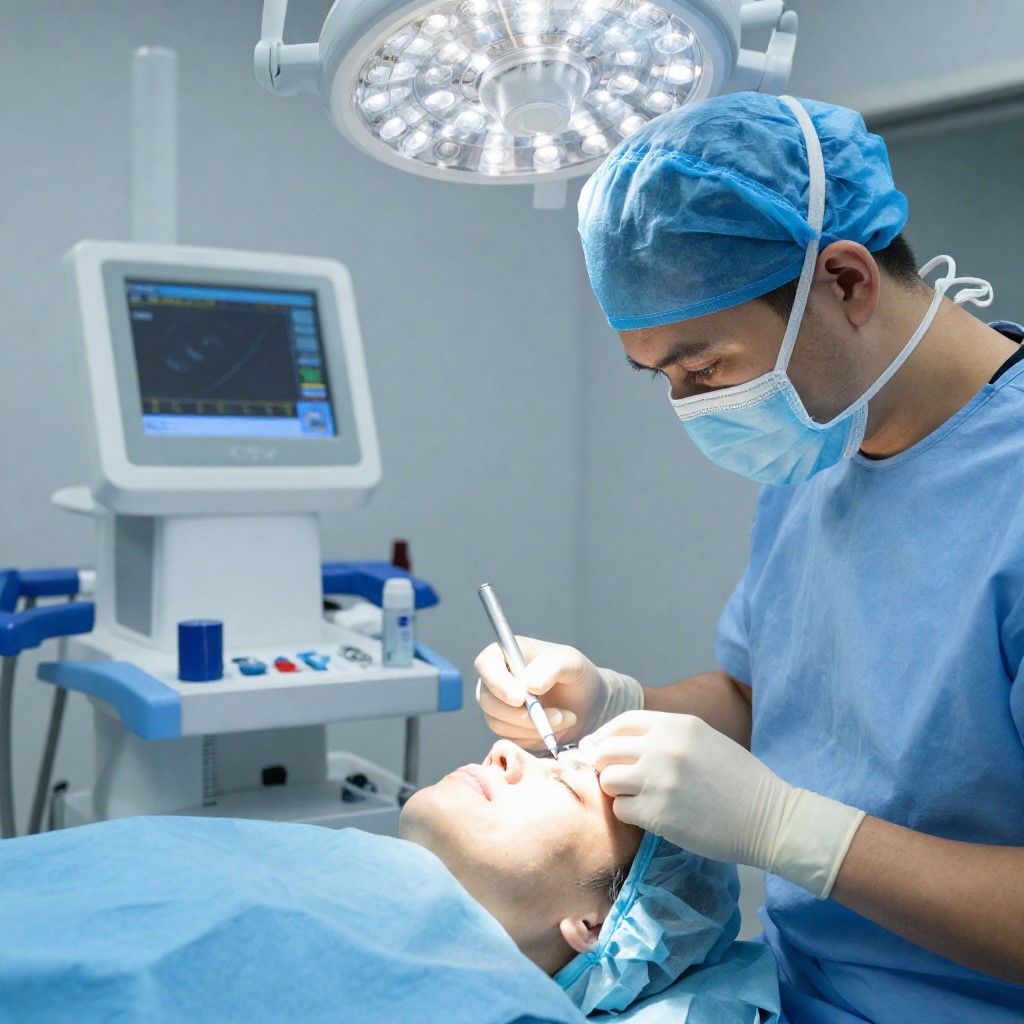
Endoscopic brow lift uses small incisions hidden in the hairline and a camera to release and reposition soft tissues. This approach generally reduces scarring and shortens recovery compared with open techniques. Indications include moderate forehead descent and lateral hooding of the brow. Anesthesia options include local with sedation or general anesthesia depending on case complexity.
Preparing for surgery: assessment, safety, and the SAFE-BROW Checklist
Preoperative planning is essential to reduce complications and align expectations. Use a named framework such as the SAFE-BROW Checklist to standardize planning and consent:
- Surgeon verification — board certification, case volume, before/after photos.
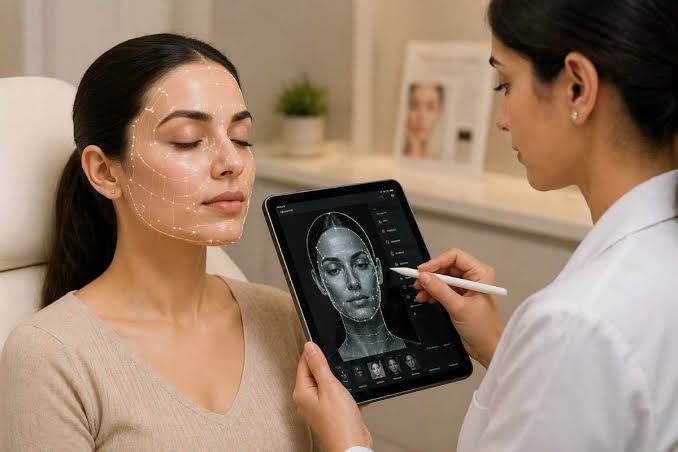
- Anatomy assessment — skin elasticity, hairline position, brow height and symmetry.
- Facility accreditation — operating room standards, emergency protocols.
- Expectations — review realistic outcomes and photographic simulations.
- Bloodwork and medical clearance — especially for age >50 or comorbidities.
- Recovery plan — time off work, wound care, follow-up schedule.
- Options discussion — surgical vs non-surgical alternatives.
- Warnings — signs of complications and emergency contact procedures.
brow lift recovery timeline Riyadh
Typical recovery milestones
Recovery timelines vary by technique and patient health. Common milestones: first 48–72 hours: swelling and bruising peak; 7–14 days: stitches removed and most bruising reduced; 2–4 weeks: visible improvement suitable for social activities; 3–6 months: final soft tissue settling. Combining procedures (blepharoplasty, facelift) lengthens recovery.
Practical pre-op and post-op tips
- Arrange a medically supervised stop of blood-thinning medications as directed by the surgeon at least 7–10 days before surgery if safe to do so.
- Follow a smoking cessation plan for at least 4 weeks before and after surgery to improve healing.
- Use cold compresses and keep the head elevated for 48–72 hours to reduce swelling.
- Attend all follow-up visits and report any increasing pain, fever, or changing vision immediately.
Common mistakes and trade-offs
Trade-offs to discuss
Less invasive options (threads, neuromodulator injections) offer shorter recovery but less durable lift and limited effect on excess skin. Open hairline or coronal lifts provide more dramatic elevation for very low brows but involve longer scars and recovery. Combining eyelid surgery can correct upper lid hooding in one session but increases operative time and swelling.
Common mistakes
- Choosing a technique based solely on cost rather than anatomical needs.
- Insufficient preoperative photos and planning for asymmetry and hairline changes.
- Underestimating recovery time and returning too early to strenuous activity.
A short example scenario
Case scenario: A 45-year-old patient in Riyadh presents with lateral brow descent and mild upper lid hooding affecting peripheral vision. After facial analysis and discussion of goals, the surgeon selects an endoscopic brow lift combined with conservative upper blepharoplasty. Pre-op planning follows the SAFE-BROW Checklist. The patient has local anesthesia with sedation, spends one night for observation, and resumes light office work at two weeks with persistent but improving swelling until month three.
Core cluster questions
- What are the differences between endoscopic and direct brow lift techniques?
- How long is recovery after a brow lift and when can normal activity resume?
- What are the surgical risks and how are complications managed?
- When is a combined blepharoplasty and brow lift recommended?
- Which credential checks and facility standards should patients confirm before booking surgery?
Resources and safety standards
Clinical safety guidance and statistics on complication rates are available through major professional societies. For general safety standards and position statements on cosmetic facial surgery, consult the American Society of Plastic Surgeons: plasticsurgery.org.
Practical checklist before signing consent
- Confirm surgeon qualification and local operating facility accreditation.
- Obtain a clear written plan: chosen technique, anesthesia type, estimated downtime.
- Request pre/postoperative photos of similar cases and a written consent that lists potential complications.
- Plan logistics for transport home and initial caregiving for 24–48 hours post-op.
Final considerations
Decisions about eyebrow lift procedures in Riyadh should balance desired cosmetic outcomes with safety, downtime, and long-term maintenance. A structured approach—using the SAFE-BROW Checklist and confirming facility and surgeon credentials—reduces risk and improves the predictability of results.
Frequently asked questions
How long does eyebrow lift surgery in Riyadh take and what is the recovery?
Procedure time typically ranges from 45 minutes to 2.5 hours depending on technique and combination procedures. Initial recovery (reduced pain and major swelling) is usually 7–14 days; full soft-tissue settling can take 3–6 months.
What are the main risks of a brow lift?
Risks include temporary numbness, asymmetry, hairline change or scarring (with open techniques), infection, and rarely nerve injury affecting forehead movement. Proper pre-op assessment and postoperative follow-up minimize risk.
Can non-surgical treatments replace a surgical eyebrow lift?
Non-surgical options (botulinum toxin, fillers, thread lifts) can provide modest lifting and delay surgery but do not correct significant tissue descent or excess skin as reliably as surgical lifts.
How is the choice of anesthesia made?
Anesthesia (local with sedation versus general) depends on patient comfort, length of the procedure, and combined procedures. Discuss anesthesia risks with the surgical and anesthesia teams during planning.
How soon can activities and exercise resume after a brow lift?
Light activities may resume within 7–14 days; avoid heavy lifting and vigorous exercise for at least 3–6 weeks or until cleared by the surgeon.