FDA Suspends Blinkit Food Licence After Hygiene Violations
-

- Published Updated
- 3,775 views
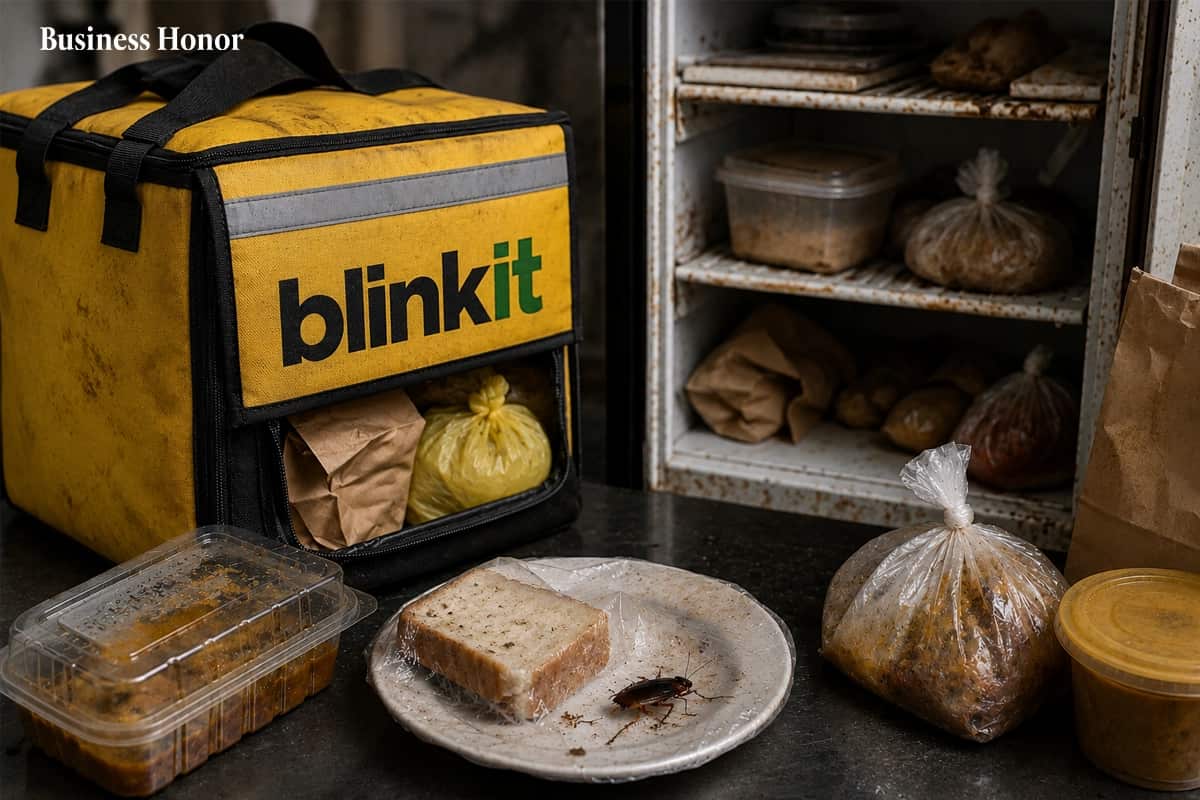
The suspension of a Blinkit food licence following food safety violations has raised fresh concerns about hygiene standards in the rapidly growing quick-commerce industry. Authorities reportedly found serious issues, including cockroaches and expired food products, during an inspection, prompting regulatory action against the facility.
Blinkit has become a major name in India’s quick-commerce market, offering groceries, packaged foods, beverages, household products, and other essentials through rapid delivery. With customers increasingly depending on such platforms for everyday food purchases, maintaining proper storage, hygiene, and quality-control standards is essential.
What Happened During the Inspection?
The food safety action followed an inspection in which officials identified conditions that raised concerns about food safety. Reports of cockroach infestation are particularly significant because pests can contaminate food storage areas and potentially expose consumers to health risks.
The discovery of expired food products adds another layer to the issue. Food businesses are expected to maintain systems that identify and remove products after their expiry dates. When expired products remain in storage or are available for sale, it can indicate weaknesses in inventory management and quality-control procedures.
The findings resulted in action by the food safety authorities, including the suspension of the relevant food licence. Such regulatory measures are intended to ensure that businesses comply with food safety requirements and maintain acceptable standards for consumers.
Why Food Hygiene Matters in Quick Commerce
Quick-commerce companies operate through networks of warehouses, dark stores, and fulfillment centers. These facilities allow orders to be picked and delivered within a short period.
However, speed cannot come at the expense of food safety.
Food products need to be stored under appropriate conditions, checked regularly, and removed when they reach their expiry dates. Storage facilities must also have effective pest-control procedures and routine cleaning systems.
Because customers often do not see the facilities where their products are stored, they rely heavily on the company to maintain these standards.
A food safety violation at a fulfillment location can therefore affect consumer confidence far beyond the individual facility involved.
What Does a Licence Suspension Mean?
A food licence suspension is a serious regulatory action. It generally means the affected food business or facility must address identified violations before normal operations can resume under the relevant licence.
Authorities may require corrective measures such as improved sanitation, pest-control procedures, better inventory monitoring, staff training, and stronger food safety management systems.
For a company operating at significant scale, such incidents can also create reputational pressure. Consumers increasingly pay attention not only to delivery speed and prices but also to product quality, hygiene, and safety.
Impact on Blinkit and the Quick-Commerce Industry
The incident could encourage greater scrutiny of food storage practices across India's quick-commerce sector. Companies operating dark stores need to balance rapid fulfillment with rigorous food safety processes.
Inventory management is particularly important. Automated systems can help businesses track expiry dates, but technology must be supported by regular physical inspections and trained employees.
Pest management is equally important. Facilities handling food products need preventive measures to reduce the risk of infestation. Regular cleaning, waste management, storage practices, and professional pest-control programs can all contribute to safer operations.
The incident also highlights the responsibility of businesses to maintain consistent standards across large networks of locations. A company may operate hundreds or thousands of fulfillment points, making centralized monitoring and local compliance essential.
Consumer Concerns
For consumers, the episode raises an important question: how can they be confident that food purchased through quick-commerce platforms is safe?
Customers should check packaging, expiry dates, seals, and storage conditions whenever possible. If a product appears damaged, expired, contaminated, or otherwise unsafe, consumers should report the issue through the appropriate customer-support and regulatory channels.
Companies, meanwhile, have a responsibility to respond quickly to complaints and investigate potential food safety problems.
The Bigger Business Lesson
The situation demonstrates that operational growth must be matched by strong compliance systems. Quick-commerce companies compete heavily on convenience and delivery speed, but food safety is an area where businesses cannot afford shortcuts.
Business Honor continues to follow important developments involving companies, regulation, consumer protection, and the evolving Indian business landscape. The Blinkit case serves as a reminder that maintaining customer trust requires more than fast delivery it also requires reliable quality-control and safety practices.
Read more: https://businesshonor.com/2026/08/blinkit-food-licence-suspended-mumbai
What Happens Next?
The next steps will depend on the findings of the food safety authorities and the corrective measures taken by the affected facility. If the identified issues are addressed satisfactorily, the company may be able to resume operations under the applicable regulatory requirements.
The broader impact, however, may extend beyond one facility. Food safety authorities could increase inspections of quick-commerce warehouses and other food-handling businesses as the sector continues to expand.
For the industry, the message is clear: convenience and speed must be supported by strong hygiene, inventory control, pest management, and regulatory compliance. As quick commerce becomes an increasingly important part of how consumers purchase food and groceries, maintaining these standards will be essential for protecting customers and preserving long-term trust.