Blister Packaging Market Outlook: Pharmaceutical Demand, Sustainability, Technology, and Packaging Transformation
-

- Published Updated
- 1,716 views
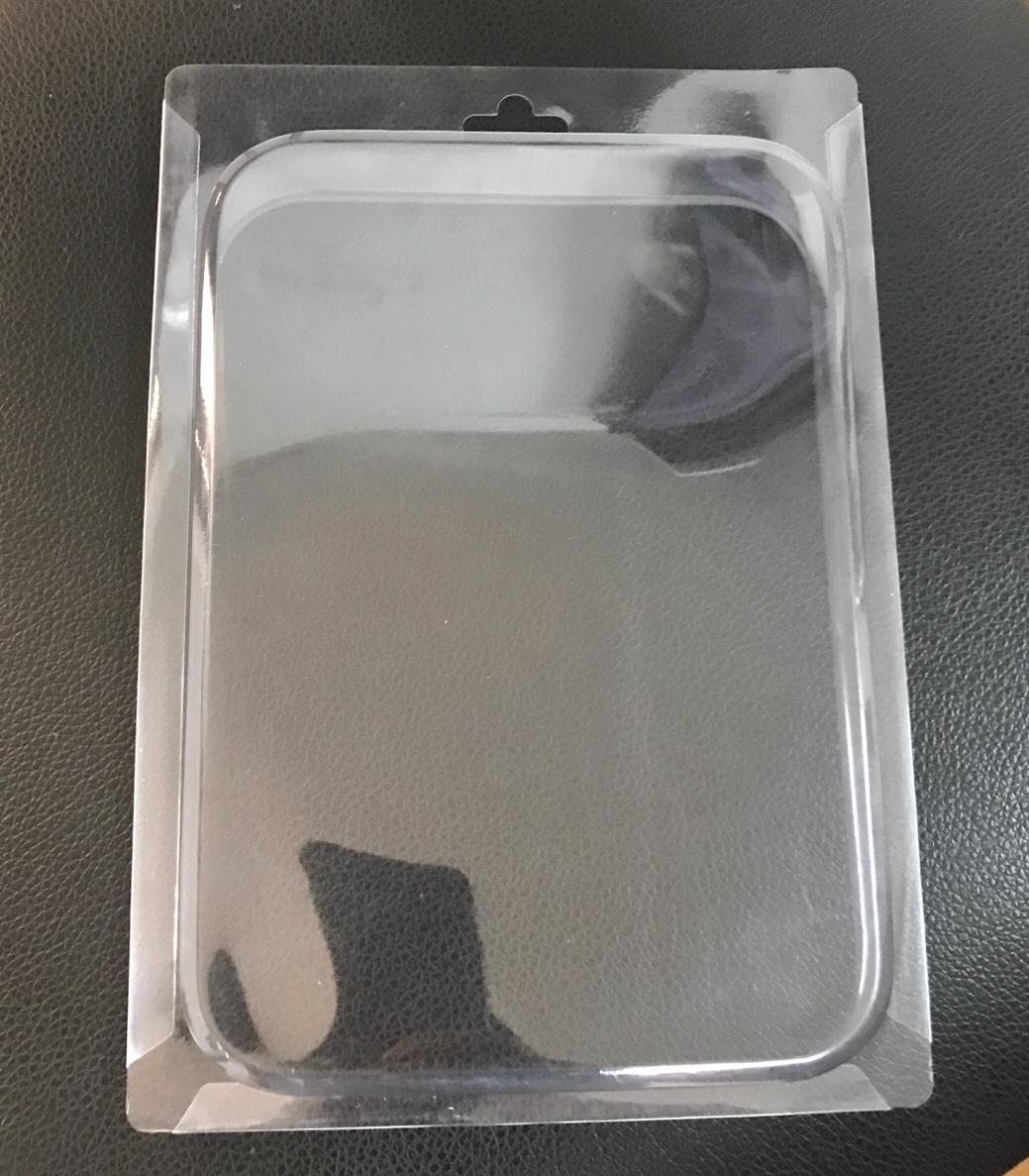
The blister packaging market outlook is being shaped by pharmaceutical demand, healthcare expansion, sustainability requirements, material innovation, automation, and changing expectations around product protection. Blister packaging has become an established format for tablets, capsules, medical products, consumer goods, and other applications where individual product protection and organized presentation are important.
The industry is moving beyond conventional packaging structures as manufacturers explore recyclable materials, smarter production systems, advanced barrier technologies, and customized designs. These developments are creating opportunities while also requiring suppliers to balance cost, performance, environmental responsibility, and manufacturing flexibility.
Pharmaceutical Demand Provides a Strong Foundation
Pharmaceutical applications are expected to remain an important part of the industry's future. Blister packs can separate individual doses and provide a convenient format for handling, storage, and distribution.
The ability to create unit-dose packaging can support organized medication use while helping protect products from external conditions. Packaging suppliers therefore continue to focus on reliable forming, filling, sealing, labeling, and inspection processes.
As pharmaceutical products become more diverse, manufacturers will increasingly need packaging formats that can accommodate different tablet sizes, shapes, dosage requirements, and product sensitivities.
Healthcare Applications Are Expanding
The future opportunity extends beyond traditional pharmaceutical products. Medical and healthcare applications can also benefit from packaging that provides product protection, clear identification, and controlled presentation.
Healthcare products often have specific requirements related to hygiene, durability, visibility, and ease of use. This is encouraging packaging manufacturers to develop specialized structures rather than relying on standardized formats.
Suppliers with strong capabilities in material selection, sealing technology, customization, and quality management can be better positioned to serve these applications.
Sustainability Will Influence Future Packaging Choices
Environmental responsibility is becoming an increasingly important part of packaging development. Customers are paying greater attention to material consumption, recyclability, packaging waste, and manufacturing efficiency.
The blister packaging market outlook therefore includes greater attention to recyclable structures, reduced-material designs, mono-material approaches, and more efficient production processes.
However, sustainability must be balanced with product protection. Pharmaceutical and healthcare products can require strong barriers against moisture, oxygen, light, and contamination. Future innovation will depend on developing packaging structures that meet these requirements while reducing environmental impact.
Material Innovation Will Create New Opportunities
Materials will remain central to the industry's evolution. Plastic films, aluminum foils, coatings, adhesives, and alternative substrates each contribute different functional properties.
Manufacturers are increasingly evaluating materials based on a broader set of criteria, including barrier performance, forming behavior, sealing characteristics, recyclability, weight, cost, and product compatibility.
This broader approach can encourage the development of application-specific material structures. Instead of selecting packaging primarily on cost, manufacturers can optimize materials according to product sensitivity and lifecycle requirements.
Automation Will Improve Production Capabilities
Automation is expected to remain an important part of future manufacturing strategies. Modern blister packaging lines can integrate forming, filling, sealing, coding, inspection, and secondary packaging.
Automated systems can improve production consistency, reduce manual handling, and support higher-volume operations. They can also provide better control over critical parameters.
Flexible automation will be particularly important as customers request more packaging variations. Manufacturers will need equipment capable of handling different formats without excessive downtime during changeovers.
Digital Quality Management Will Become More Important
Quality management is moving toward continuous digital monitoring. Machine vision, sensors, automated inspection, and production-data analysis can help manufacturers identify defects and process variations more quickly.
Instead of depending only on final inspection, manufacturers can use production data to identify potential problems while packaging is being produced.
This approach can reduce waste, improve consistency, and support preventive maintenance. Data-driven manufacturing can also provide valuable information for optimizing equipment performance and production efficiency.
Smart Packaging Can Add New Functions
Digital technologies are creating opportunities for blister packaging to provide more than physical protection. Serialized codes, identification technologies, authentication features, and connected packaging concepts can support traceability and supply-chain visibility.
For pharmaceutical applications, these capabilities can help manufacturers and distributors monitor products more effectively.
Future smart packaging may also provide consumers with additional product information through digital interfaces. However, successful adoption will depend on ensuring that added functionality provides practical value without making packaging unnecessarily complex.
Customization and Patient-Centric Design
Packaging is increasingly being developed around the needs of specific users and products. Pharmaceutical companies may require different cavity configurations, pack sizes, materials, opening mechanisms, and labeling formats.
Patient-centric packaging can also focus on readability, organized dose presentation, and practical handling. Designers need to balance child resistance with accessibility for intended adult users.
Flexible manufacturing and modular tooling can help suppliers provide customized solutions while maintaining production efficiency.
Supply-Chain Resilience Will Remain Important
Packaging manufacturers depend on reliable access to films, foils, coatings, adhesives, machinery components, and other inputs. Supply disruptions can affect production schedules and customer deliveries.
Future strategies are likely to include greater supplier diversification, regional sourcing, inventory planning, and closer relationships with critical vendors.
A resilient supply chain can help manufacturers manage material availability and reduce exposure to unexpected disruptions.
Competitive Priorities Are Changing
Competition will increasingly extend beyond price. Customers are likely to evaluate packaging suppliers based on technical expertise, quality consistency, sustainability capabilities, production flexibility, innovation, and supply reliability.
Manufacturers that can provide complete solutions—from material selection and packaging design to automated production and quality management—may have stronger opportunities to build long-term customer relationships.
Future Perspective
The future of blister packaging will be influenced by the interaction between healthcare demand, sustainability, technology, regulation, and manufacturing efficiency.
The blister packaging market outlook points toward packaging solutions that are more sustainable, flexible, digitally monitored, and application-specific. Pharmaceutical and healthcare demand will remain important, while consumer and specialized applications can create additional opportunities.
Manufacturers that invest strategically in materials, automation, digital quality systems, flexible production, and supply-chain resilience can strengthen their ability to respond to changing requirements.
Conclusion
The blister packaging industry is entering a period of continued technological and functional evolution. Pharmaceutical demand provides a strong foundation, while healthcare expansion, sustainable materials, advanced barriers, automation, smart packaging, and customized designs are shaping future development.
Long-term success will depend on balancing product protection with affordability, sustainability, usability, and manufacturing efficiency. Companies that combine technical innovation with flexible production and strong customer understanding will be better positioned to benefit from the changing packaging environment.
Written as -https://www.pristinemarketinsights.com/blister-packaging-market-report