How to Choose the Best Blonde Wigs: Fit, Color & Styling Guide
-
- March 22nd, 2026
- 636 views

FREE SEO Topical Map Generator: Find Your Next Content Ideas
The search for the best blonde wigs starts with clarity about budget, wear frequency, and the look to be created. This guide breaks down hair types, cap construction, color matching, and everyday styling so the right blonde wig performs like a seamless style upgrade.
- Decide between human hair and synthetic based on styling needs and budget.
- Match undertone and depth to skin tone and eye color for a natural result.
- Choose the right cap type (lace front, monofilament, full lace) for realism and comfort.
- Use the BLONDE checklist to evaluate fit, color, and maintenance requirements.
Detected intent: Commercial Investigation
Best blonde wigs: how to choose the right blonde wig
Choosing the best blonde wigs requires balancing color, cap construction, and fiber type. Start with a clear goal—everyday wear, a single-event look, theater use, or medical needs—and let that drive the trade-offs between realism, durability, and cost.
Why blonde requires extra planning
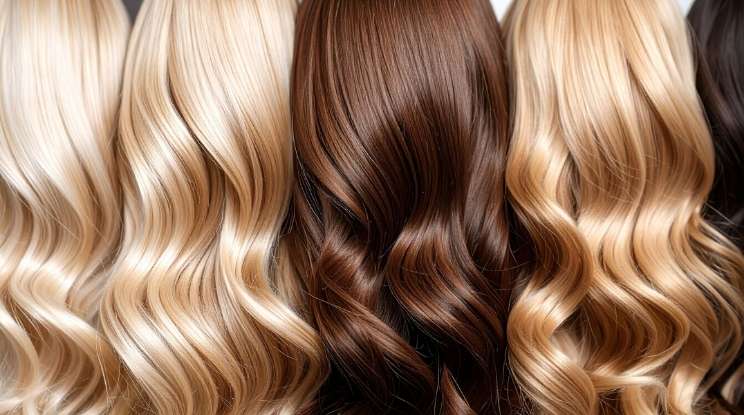
Blonde shades range from platinum to honey to strawberry blonde, and small variations in tone or root shadow make a big visual difference. Natural-looking blonde wigs consider root depth, highlights, lowlights, and undertone (cool ash vs warm gold). Lighter tones can also expose cap edges if the cap or lace color doesn't match the scalp.
Key factors: cap, fiber, color, and density
Cap construction
Cap types determine realism and breathability: lace front for a natural hairline, monofilament for realistic scalp appearance at the part, and full lace for versatile parting. Cap size and adjustable straps affect comfort and security.
Hair fiber
Human hair offers the most styling flexibility and longevity but requires higher maintenance. Heat-friendly synthetic fibers are lower-cost and hold style well but have limited heat styling and shorter lifespans. Remy human hair preserves cuticle direction for smoother shine.
Color matching and undertone
Use a small swatch held near the face or compare photos in natural light. Warm undertones pair well with golden or honey blondes; cool undertones suit ash or platinum shades. Consider a wig with subtle lowlights or rooted darker roots for depth and a more natural look.
Density and length
Density affects how full the wig looks. Common ranges: light (120–130%), medium (130–150%), and heavy (150%+). Shorter styles need less density to appear full; long hair often looks thinner if density is low.
BLONDE checklist: a named selection framework
Apply the BLONDE checklist before purchase:
- Balance: Does the color balance with skin tone and eyebrow color?
- Length: Is the length practical for daily wear versus occasional use?
- Origin: Human hair or synthetic—what styling flexibility is required?
- Naturalness: Cap type and parting realism (lace, monofilament)?
- Density: Is the wig density appropriate for style and scalp comfort?
- Edge: Are lace color and hairline blending accounted for?
Short real-world example
A professional preparing for weekly client video calls wanted a soft, cool-toned blonde without daily heat styling. The selected option: a 14-inch, medium-density, heat-friendly synthetic lace-front wig in an ash-blonde with subtle lowlights. The lace front matched the hairline, and the synthetic fiber kept the waves consistent between washes—meeting the need for low upkeep and a polished on-camera look.
Practical styling and care tips
- Use a wig cap to protect natural hair and keep the wig secure; select a cap color close to the scalp for better blending.
- For human hair wigs: use sulfate-free shampoo and deep-condition monthly; store on a stand to preserve shape.
- For synthetic wigs: choose products labeled for heat-friendly fibers if heat styling; avoid high heat unless specified.
- Trim lace and customize the hairline only with proper tools or a stylist experienced with wigs to avoid visible damage.
Trade-offs and common mistakes
Trade-offs
Human hair wigs offer the most natural look and styling control but cost more and require more care. Synthetic wigs are low-maintenance and affordable but limit heat styling and can look shiny if the fiber quality is low. Lace-front caps give a realistic hairline but can be more fragile and require adhesive or tape for secure wear.
Common mistakes
- Choosing a shade solely from online photos without confirming undertone—photos can be misleading due to lighting.
- Neglecting cap fit—an ill-fitting cap causes slippage and ruins the illusion of a natural hairline.
- Overlooking maintenance—some blonde tones require toning products to avoid brassiness, especially on human hair wigs.
Core cluster questions
- How to choose a blonde wig that matches skin tone?
- What are the benefits of lace-front vs monofilament caps for blonde wigs?
- How long do human hair blonde wigs last with regular wear?
- What maintenance keeps a blonde wig from becoming brassy?
- Which wig densities suit short blonde styles versus long blonde styles?
Health and safety note
For people experiencing hair loss due to medical treatment, specific care and fit options can increase comfort and reduce scalp irritation. Authoritative guidance on wig use for medical hair loss is available from the American Cancer Society.
Practical buying checklist
Before buying, confirm these items are satisfactory:
- Accurate color swatch or return policy that allows color returns.
- Clear cap construction details with measurements for head circumference.
- Care instructions for the specific fiber type and any recommended products.
- Photos of the wig on multiple skin tones and in natural light if possible.
Final takeaway
Finding the best blonde wigs is a process of matching color, cap technology, and fiber to intended use. Use the BLONDE checklist, prioritize a realistic hairline and correct undertone, and plan maintenance to keep the tone fresh. With the right choices, a blonde wig can be an immediate and versatile style upgrade.
FAQ
Are the best blonde wigs made from human hair?
Human hair wigs often look most natural and allow heat styling, but high-quality heat-friendly synthetic wigs can be a valid choice for lower cost and easier maintenance.
How to choose a blonde wig that matches skin tone?
Compare undertones (warm vs cool) rather than relying on shade names; hold a swatch next to the face in daylight and consider lowlights or rooted roots to add dimension.
Can synthetic blonde wigs be heat styled?
Only heat-friendly synthetic fibers can be styled with low to moderate heat. Check manufacturer instructions and test on a hidden section first.
How should a lace-front blonde wig be attached for secure wear?
Use wig tape or skin-safe adhesive on clean, dry skin; ensure the lace color matches the scalp and trim excess lace carefully to maintain a natural edge.
How to prevent blonde wigs from turning brassy?
Use purple or blue toning shampoos for human hair wigs as needed, follow recommended washing intervals, and protect color from UV exposure by using UV-protectant sprays or wearing hats outdoors.