How Blood Tests Help Detect Serious Health Conditions Early
-

- Published Updated
- 4,954 views
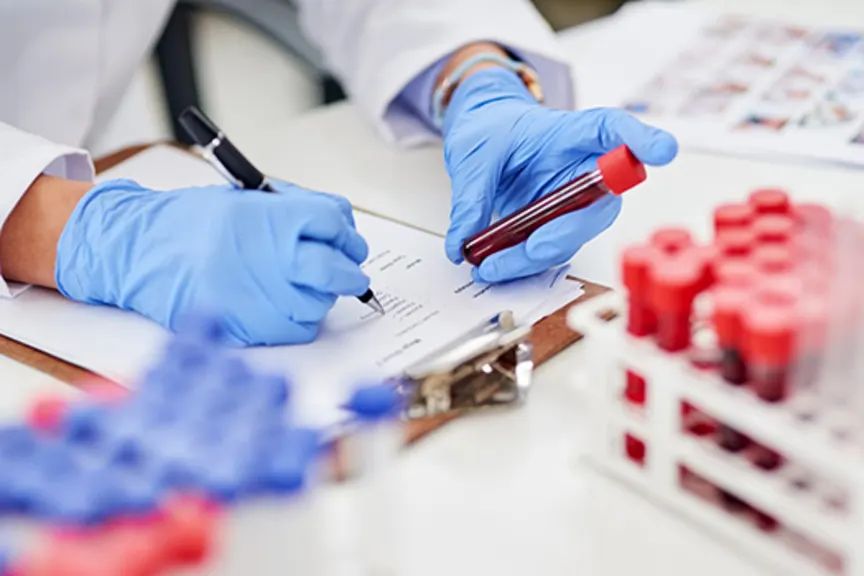
Most people think of blood tests as something your doctor orders during an annual health check-up. You get the report, glance at a few numbers, and move on.
But here's the thing.
Those numbers can tell a much bigger story than you might expect.
A simple blood test can spot changes in your body before symptoms even begin. It can point to infections, vitamin deficiencies, diabetes, liver problems, kidney disease, and even certain blood disorders. That early information gives doctors a chance to start treatment sooner, which often leads to better outcomes.
If you're looking for care at a Top Haematology Hospital in Nagpur, understanding the role of blood tests can help you take your health more seriously and make informed decisions.
Why Blood Tests Matter
Your blood travels through every part of your body.
It carries oxygen, nutrients, hormones, and immune cells. Because of that, it reflects what's happening inside your body.
Doctors often recommend blood tests because they can:
- Detect diseases before symptoms appear
- Monitor existing health conditions
- Check how well your organs are functioning
- Identify nutritional deficiencies
- Track recovery after treatment
- Guide treatment decisions
Sometimes you may feel perfectly healthy, but a blood test reveals that something needs attention. It happens more often than people think.
What Can a Blood Test Detect?
Blood tests aren't designed to look for just one disease.
Different tests provide different pieces of information.
Some of the most common conditions detected include:
Anemia
Anemia happens when your body doesn't have enough healthy red blood cells or hemoglobin.
Early symptoms may include:
- Constant tiredness
- Weakness
- Pale skin
- Shortness of breath
- Dizziness
Many people ignore these signs because they seem minor. A Complete Blood Count (CBC) can identify anemia early, allowing doctors to find the underlying cause.
Infections
Your white blood cell count often changes when your body is fighting an infection.
Blood tests can help doctors identify:
- Bacterial infections
- Viral infections
- Severe inflammatory conditions
The results also help decide whether antibiotics or other treatments are necessary.
Diabetes
High blood sugar doesn't always cause noticeable symptoms.
Tests such as:
- Fasting Blood Sugar
- HbA1c
- Random Blood Sugar
can detect diabetes or prediabetes before complications develop.
Early diagnosis makes managing diabetes much easier.
Liver Problems
Your liver works quietly every day.
When it starts struggling, blood tests can reveal changes in liver enzymes long before symptoms become obvious.
Doctors often recommend Liver Function Tests (LFTs) to evaluate liver health.
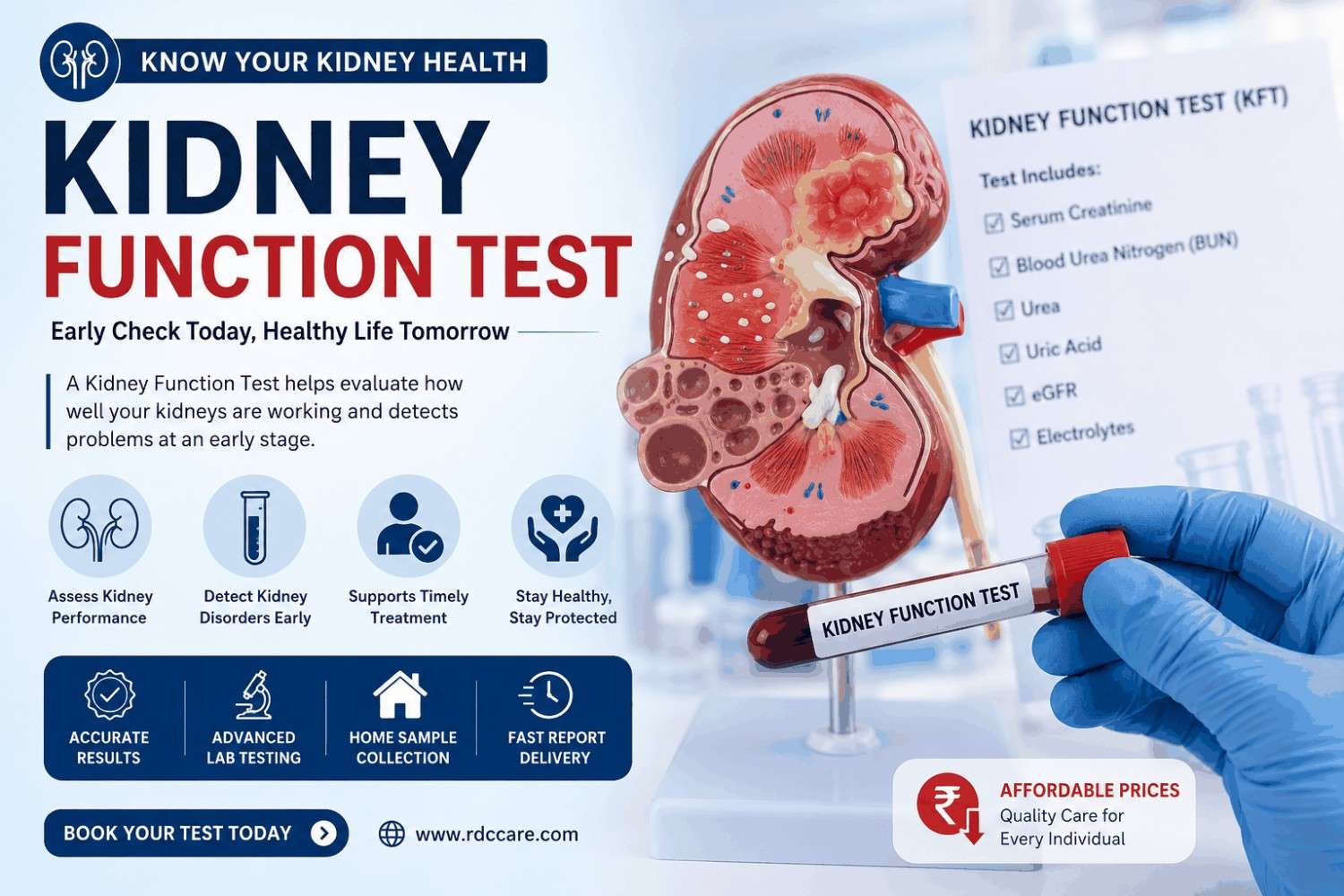
Kidney Disease
Healthy kidneys filter waste from your blood.
Blood tests measure substances like:
- Creatinine
- Blood Urea Nitrogen (BUN)
- Electrolytes
These values help doctors understand how well your kidneys are functioning.
Vitamin and Mineral Deficiencies
Feeling tired all the time?
It might not just be your busy schedule.
Blood tests can detect deficiencies such as:
- Iron
- Vitamin B12
- Vitamin D
- Folate
Treating these deficiencies early often improves energy levels and overall health.
Blood Disorders
This is where haematology plays an important role.
Blood tests help detect conditions affecting:
- Red blood cells
- White blood cells
- Platelets
- Blood clotting
Examples include:
- Iron deficiency anemia
- Thalassemia
- Leukemia
- Platelet disorders
- Clotting disorders
Finding these conditions early allows specialists to begin treatment before complications develop.
Common Blood Tests Your Doctor May Recommend
You don't need dozens of tests every time.
Doctors choose tests based on your symptoms, age, medical history, and family history.
Complete Blood Count (CBC)
One of the most common blood tests.
It measures:
- Red blood cells
- White blood cells
- Hemoglobin
- Platelets
- Hematocrit
A CBC can help identify anemia, infections, blood cancers, and immune disorders.
Blood Sugar Tests
These include:
- Fasting Blood Sugar
- Post-meal Blood Sugar
- HbA1c
They help diagnose diabetes and monitor treatment.
Lipid Profile
This test checks cholesterol levels.
It helps estimate your risk of heart disease and stroke.
Liver Function Test
This measures enzymes and proteins that indicate liver health.
Kidney Function Test
Doctors use this to evaluate kidney performance and detect early kidney disease.
Iron Studies
Iron studies help determine whether low hemoglobin is caused by iron deficiency or another condition.
How Blood Tests Help Detect Serious Conditions Earlier
Many serious illnesses begin quietly.
There may be no pain.
No obvious symptoms.
No warning signs.
Blood tests often identify tiny changes before you notice anything yourself.
Think about conditions like:
- Leukemia
- Chronic kidney disease
- Thyroid disorders
- Vitamin deficiencies
- Diabetes
Early treatment usually means:
- Better recovery
- Fewer complications
- Less aggressive treatment
- Improved quality of life
That's a big reason why regular health check-ups matter.
Who Should Get Regular Blood Tests?
Not everyone needs frequent testing.
Still, certain people benefit from routine screening.
You should consider regular blood tests if you:
- Are over 40 years old
- Have diabetes
- Have high blood pressure
- Have a family history of blood disorders
- Feel tired without a clear reason
- Experience unexplained weight loss
- Have frequent infections
- Notice unusual bruising or bleeding
- Take long-term medications
- Have chronic medical conditions
Even healthy adults can benefit from periodic screening after discussing it with their doctor.
When Should You See a Haematologist?
A general physician may refer you to a haematologist if your blood test results show unusual findings.
You may need specialist care if you have:
- Persistent anemia
- Low platelet count
- High white blood cell count
- Repeated blood transfusions
- Clotting disorders
- Swollen lymph nodes with abnormal blood reports
- Suspected leukemia or lymphoma
Specialists use advanced testing to determine the exact cause and recommend suitable treatment.
If you're searching for a Top Haematology Hospital in Nagpur, choose a hospital with experienced haematologists, modern diagnostic facilities, and access to comprehensive blood investigations under one roof.
Simple Habits That Support Healthy Blood
Blood tests are valuable, but daily habits also make a difference.
Try to:
- Eat iron-rich foods like spinach, beans, lentils, and lean meat
- Include fruits rich in vitamin C to improve iron absorption
- Stay physically active
- Drink enough water
- Get enough sleep
- Avoid smoking
- Limit alcohol intake
- Attend regular health check-ups
These habits won't prevent every blood disorder, but they do support overall health.
Don't Ignore Changes in Your Body
Your body often gives small signals before bigger problems appear.
Watch for symptoms such as:
- Constant fatigue
- Pale skin
- Frequent infections
- Easy bruising
- Bleeding gums
- Unexplained fever
- Sudden weight loss
- Persistent weakness
These symptoms don't always mean something serious.
Still, they deserve medical attention.
A blood test is often the first step toward finding the cause.
Why Early Diagnosis Can Make a Big Difference
I've met people who delayed a simple blood test because they felt "mostly okay."
Months later, they discovered a condition that could have been treated much earlier.
That doesn't mean every abnormal blood test points to a serious disease.
Far from it.
Many issues are temporary or easily treated.
The point is knowing what's happening inside your body instead of guessing.
Early diagnosis gives doctors more options.
It often reduces complications.
And it gives you peace of mind when everything turns out normal.
Choose the Right Care for Blood Disorders
If your doctor recommends further evaluation after a blood test, don't delay the next step.
An experienced haematology team can identify the underlying cause, explain your results clearly, and create a treatment plan based on your individual needs.
When choosing a Top Haematology Hospital in Nagpur, look for qualified haematologists, accurate laboratory services, advanced diagnostic support, and patient-focused care. Timely testing and expert guidance can make a meaningful difference in detecting blood disorders and other serious health conditions at an early stage.
Frequently Asked Questions
Can blood tests detect cancer?
Some blood tests can indicate changes that may suggest blood cancers like leukemia or lymphoma. They don't confirm every type of cancer, but they help doctors decide whether more testing is needed.
How often should adults have blood tests?
It depends on your age, medical history, and risk factors. Many healthy adults benefit from routine health check-ups every year or as advised by their doctor.
Is fasting required before every blood test?
No. Some tests require fasting, while others do not. Your healthcare provider will tell you how to prepare.
Can a CBC detect all blood disorders?
A CBC is an excellent screening test, but it cannot diagnose every blood disorder. If abnormalities appear, additional tests may be required.
Are blood tests painful?
Most blood tests involve a quick needle prick that lasts only a few seconds. The discomfort is usually mild and temporary.