Blue Spider Hoodie Guide: Styling, Care, and Versatility
-
- February 23rd, 2026
- 1,638 views
The blue spider hoodie has become a notable choice for people seeking a balance of comfort and visual interest in casual wardrobes. This guide explains common materials, construction details, styling approaches, and care considerations so readers can evaluate fit, durability, and sustainability when choosing or maintaining one.
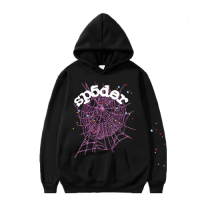
- Design elements: hood, kangaroo pocket, ribbed cuffs, and printed or embroidered spider motif.
- Materials: cotton, polyester, fleece, and sustainable blends affect warmth and breathability.
- Fit and sizing: check chest, shoulder, and sleeve measurements; consider layering needs.
- Care: follow label instructions; treat prints and delicate trims with care.
- Versatility: works for casual, athleisure, and layered streetwear looks.
The blue spider hoodie: design, materials, and fit
Common design features
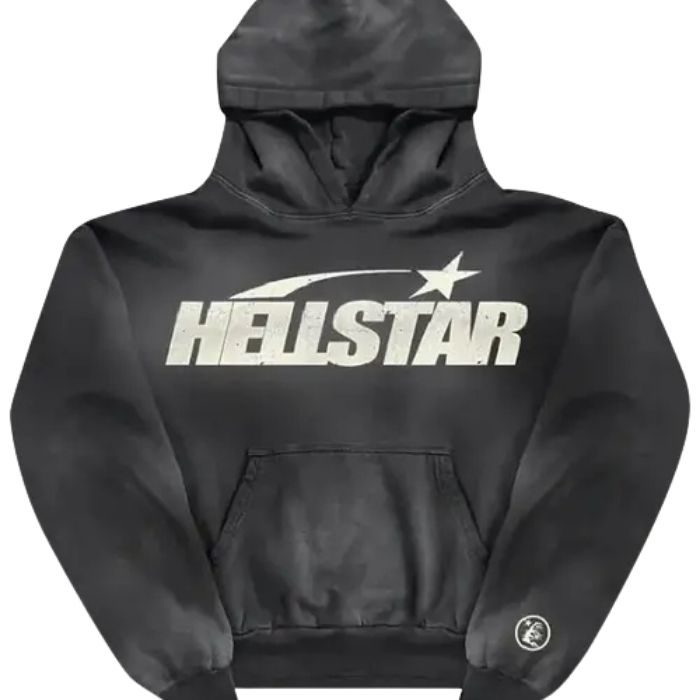
Typical hoodies include a connected hood, adjustable drawstring, a kangaroo or side pockets, and ribbed cuffs and hem. The spider motif—applied as a screen print, embroidery, or heat-transfer decal—affects both the visual weight and how the garment should be laundered. Decorative details such as contrast panels, zip closures, or reflective accents influence functionality and style.
Materials and construction
Materials range from 100% cotton to polyester blends and brushed fleece. Cotton provides breathability and a softer hand; polyester increases durability and dries faster. Brushed interiors add insulation and a plush feel. Seams, stitch density, and reinforcement in high-stress areas determine long-term wear. For guidance on fabric and product safety standards, refer to official consumer safety resources such as the U.S. Consumer Product Safety Commission: CPSC.
Comfort, fit, and sizing considerations
Choosing the right fit
Measure chest, shoulder width, and sleeve length to choose a size that matches intended use. A relaxed fit allows for layering over shirts or light jackets; a slimmer cut suits a more tailored silhouette. Consider whether the hoodie will be worn as a mid-layer during colder months or as a standalone piece.
Thermal and tactile comfort
Fleece-lined or brushed fabrics trap air for warmth, while single-knit cotton tends to feel cooler. Weight (measured in grams per square meter or ounces) is a useful indicator of how heavy or insulating a fabric will be. For active use, moisture-wicking blends reduce sweat buildup and increase comfort during movement.
Styling, versatility, and occasions
Casual and athleisure outfits
Pair the blue spider hoodie with jeans, joggers, or cargo pants for everyday looks. Layer under a lightweight jacket for transitional weather, or over a tee for relaxed summer evenings. Neutral footwear and simple accessories help balance a bold graphic or bright blue tone.
Streetwear and layered looks
Integrate the hoodie into streetwear outfits by combining it with oversized outerwear, tapered pants, and statement sneakers. Proportion plays a role: an oversized hoodie pairs well with slimmer bottoms, while a cropped or fitted hoodie can be layered over longer shirts for contrast.
Care, durability, and environmental considerations
Washing and maintenance
Always check the care label. In general, turn garments inside out before washing to protect prints and trims, use cold water to limit color loss, and avoid high-heat drying where possible. Spot-treat stains promptly. For items with delicate embroidery or heat-applied graphics, gentle cycles and low-heat drying help extend lifespan.
Durability and repair
Reinforce high-stress seams and repair small holes early to prevent further damage. Replacement drawstrings and patching can restore function without replacing the garment. Consider stitching quality and seam finishes when assessing long-term durability at the point of purchase.
Sustainability and material choices
Sustainable options include organic cotton, recycled polyester, and lower-impact dye processes. Certifications from recognized bodies (for example, textile standards from independent organizations) can help identify lower-impact products. Longevity—buying a garment that is well-made and fits the wearer’s style preferences—often has a larger environmental benefit than frequent replacement.
Shopping tips and sizing checklist
Before purchase
Check fabric composition and care labels, review sizing charts, and read construction details such as seam finishes and pocket placement. Compare measurements to a well-fitting garment rather than relying solely on size labels.
When comparing products
Look for consistent stitch density, secure attachments for trims, and even dyeing. Where possible, examine customer reviews for comments on shrinkage, colorfastness, and print durability.
FAQ
What makes the blue spider hoodie different from other hoodies?
The distinguishing elements are typically the spider motif and any unique color treatments or paneling. Differences in material, weight, and construction also affect how it performs—for example, a fleece-lined version will be warmer than a single-knit cotton piece.
How should a blue spider hoodie be washed to protect the print?
Turn the hoodie inside out, wash on a gentle cycle in cold water, and use mild detergent. Avoid bleach and high-heat drying to preserve prints and colors.
Is a blue spider hoodie suitable for layering in cold weather?
Yes. Choose a heavier weight or fleece-lined version for insulation, and select a slightly larger size to allow for comfortable layering over base garments.
Can a blue spider hoodie be altered or repaired if damaged?
Small repairs such as mending seams, replacing drawstrings, or patching holes can extend the garment’s life. Tailoring for fit adjustments is possible but may be limited by design elements like prints or paneling.