Evidence-Based Bodybuilding Supplements for Muscle Growth: A Practical Guide
-

- April 28th, 2026
- 377 views
Choosing effective bodybuilding supplements for muscle growth requires separating proven options from hype. This guide summarizes what the science supports, how to use key supplements safely, and a practical checklist to evaluate claims and doses so results align with training and nutrition.
Detected intent: Informational
Top supplements with consistent evidence: creatine monohydrate, dietary protein (whey/casein/food), and sufficient vitamin D when deficient. Beta-alanine, HMB, and caffeine show situational benefits. Use the PRIME checklist to choose and monitor supplements, prioritize training and calories, and consult reputable testing standards.
Bodybuilding Supplements for Muscle Growth: What Works and Why
The most reliable bodybuilding supplements for muscle growth are those that directly support muscle protein synthesis, training performance, or recovery. Supplements are not a substitute for progressive overload, adequate total protein, and calorie balance; they are supportive tools.
Evidence-backed core supplements
- Creatine monohydrate — Strong, consistent evidence shows creatine increases strength, power, and lean mass across ages and training levels by raising intramuscular phosphocreatine and improving training volume.
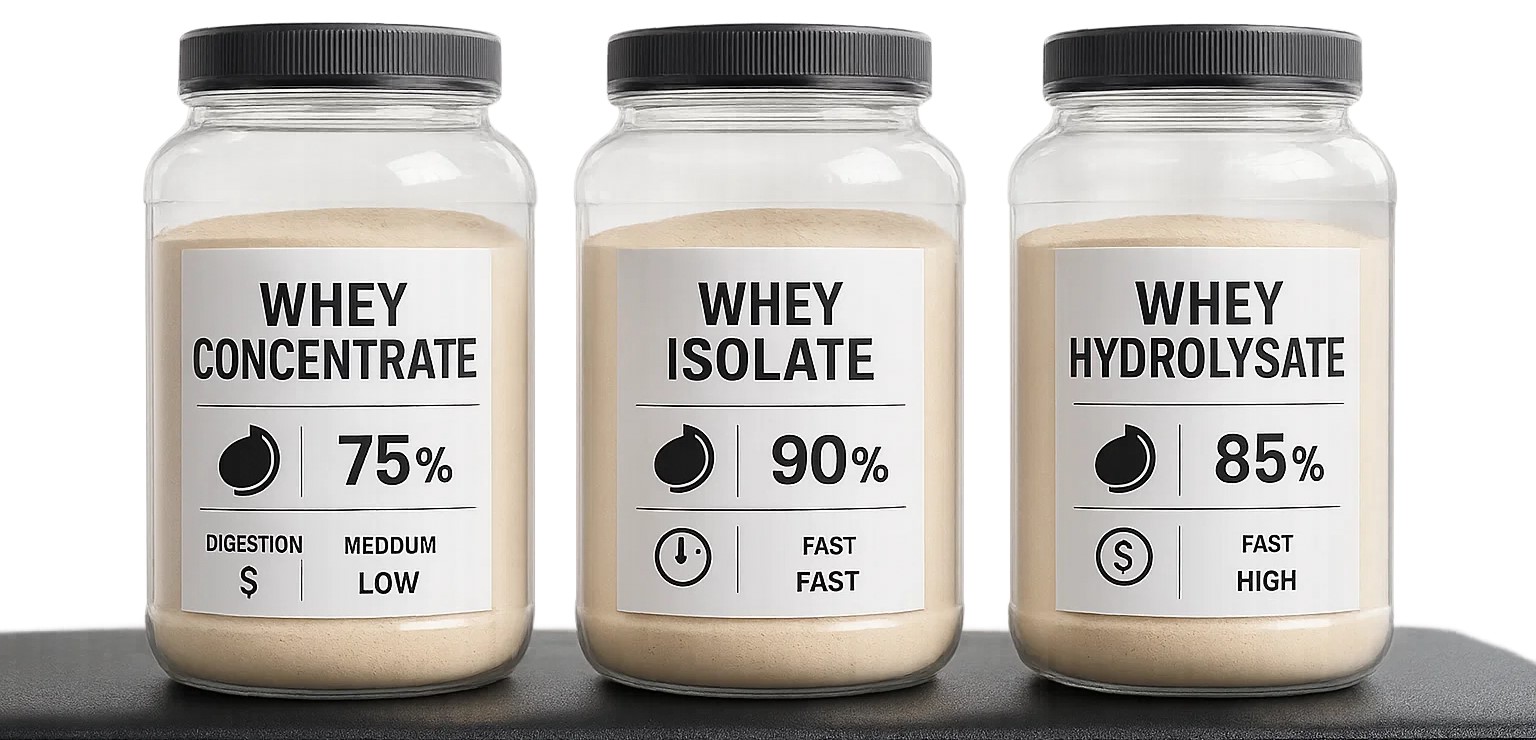
- Dietary protein (whey, casein, whole-food protein) — Meeting daily protein targets (commonly 1.6–2.2 g/kg bodyweight for many trainees) and including 20–40 g of high-quality protein per meal supports hypertrophy. Whey is fast-digesting and leucine-rich for post-workout synthesis.
- Caffeine — Improves workout performance, focus, and perceived exertion when timed before training; can help increase training intensity and volume.
- Vitamin D — Correcting deficiency supports muscle function; check blood levels (25(OH)D) and supplement only if low.
Supplements with conditional or modest benefit
- Beta-alanine — Useful for high-repetition or intense interval work by buffering acid build-up; expect modest improvements in total work capacity.
- HMB (beta-hydroxy beta-methylbutyrate) — May reduce muscle breakdown and help beginners or people returning from layoff; effects on long-term hypertrophy in trained lifters are smaller.
- Leucine or BCAAs — Helpful in low-protein situations; whole-protein sources are preferable when available.
Claims for many other ingredients (testosterone boosters, exotic plant extracts, prohormones) are weak, inconsistent, or risky. Always consider third-party testing and WADA/FDA guidance when relevant.
How to choose and use supplements: the PRIME checklist
The PRIME checklist provides a practical, repeatable framework to evaluate supplements before use.
- Plan: Define the training goal (hypertrophy, strength, body recomposition) and the role of a supplement in that plan.
- Research: Check evidence from authorities such as the International Society of Sports Nutrition (ISSN) and peer-reviewed studies for efficacy and dosing.
- Integrate: Ensure the supplement complements calories, macronutrients, and recovery; avoid overlaps and excessive dosing.
- Monitor: Track performance, recovery, body composition, and any side effects over 4–12 weeks.
- Evaluate: Compare results to cost and safety; stop or adjust if no meaningful benefit.
One authoritative source summarizing sport nutrition evidence is the ISSN position stand on supplements (rel="nofollow" target="_blank">https://jissn.biomedcentral.com/articles/10.1186/s12970-017-0187-5).
Practical dosing and stacking examples
Simple, evidence-based stack
Creatine monohydrate: 3–5 g daily (no mandatory loading). Whey protein: 20–40 g post-workout or to reach daily protein targets. Caffeine: 3–6 mg/kg 30–60 minutes pre-workout for performance. Add vitamin D only if tests show deficiency.
Real-world scenario
Example: A 28-year-old trainee aiming to add lean mass increases daily protein to 1.8 g/kg, takes 5 g creatine daily, and uses 200 mg caffeine before intense sessions. Over 12 weeks, training volume increases and body composition improves. Monitoring shows no adverse effects and improvements align with progressive overload.
Common mistakes and trade-offs
Common mistakes
- Prioritizing supplements over calorie and protein intake—supplements amplify results only when foundational nutrition and training are in place.
- Overdosing or taking multiple products with the same active ingredient (e.g., multiple creatine-containing pre-workouts).
- Relying on unverified brands; skipping third-party testing increases risk of contamination or banned substances.
Trade-offs to consider
- Cost vs. benefit: High-priced proprietary blends often lack proportional benefit compared with inexpensive creatine and quality protein sources.
- Short-term performance boosts (stimulants) vs. sleep and recovery—caffeine late in the day can impair sleep and recovery.
- Potential gains vs. regulatory or doping risks—competitive athletes should verify products against sports agency lists.
Practical tips for safe, effective use
- Start with one evidence-backed supplement at a time (e.g., creatine), then monitor performance over 4–12 weeks before adding another.
- Use a reputable third-party testing program (NSF Certified for Sport, Informed-Sport) for competitive or drug-tested athletes.
- Match protein intake to bodyweight and training: aim for regular protein distribution across meals to support synthesis.
- Keep a simple training and nutrition log to attribute changes to training, calories, or supplements.
- Consult a qualified sports dietitian or medical professional before starting supplements if there are medical conditions or medications.
Core cluster questions for internal linking and topic expansion
- Which supplements have the strongest evidence for hypertrophy?
- How much protein is needed per day to build muscle?
- What is the recommended creatine dosing protocol for muscle gain?
- Do pre-workout stimulants improve muscle-building outcomes?
- How to choose third-party tested supplements for athletes?
Measuring results and safety
Track objective markers: training load, repetitions, weight lifted, body composition metrics, and subjective recovery scores. For safety, baseline and follow-up bloodwork can screen vitamin D, kidney function when using high-dose supplements, and overall health. Refer to sport-nutrition guidelines and standards bodies for testing and dosing best practices.
Final takeaways
Supplements can help accelerate muscle growth when used strategically on top of solid training and nutrition. Prioritize creatine monohydrate and adequate dietary protein, correct clear deficiencies such as vitamin D, and use other aids like beta-alanine or caffeine where they align with training goals. Apply the PRIME checklist, monitor results, and favor third-party tested products to reduce risks.
FAQ: Are bodybuilding supplements for muscle growth effective?
Yes—some supplements (notably creatine and adequate dietary protein) have strong evidence for supporting muscle growth when combined with resistance training and proper nutrition. Other products may offer modest or situational benefits. Always confirm dosing and safety through reputable research and testing.
How much creatine should be taken to see muscle gains?
A common and effective approach is 3–5 g of creatine monohydrate daily. Loading phases (20 g/day split into 4 doses for 5–7 days) can speed saturation but are optional. Benefits typically appear within weeks as training volume improves.
What protein intake supports hypertrophy?
Many guidelines recommend roughly 1.6–2.2 g/kg bodyweight per day for individuals focused on muscle growth, with 20–40 g of high-quality protein per meal to stimulate muscle protein synthesis.
Are pre-workout supplements necessary to build muscle?
Pre-workout stimulants like caffeine can improve workout performance and allow for higher training volume, indirectly supporting hypertrophy. They are not necessary when overall training and nutrition are optimized.
How long should a supplement trial run before judging effectiveness?
Run a clear trial of 4–12 weeks with consistent training and nutrition to evaluate a supplement's impact, using objective performance and body-composition measures whenever possible.