Growing Boxwood Green Velvet in the UK: Care, Pruning and Garden Uses
-

- Published Updated
- 1,713 views
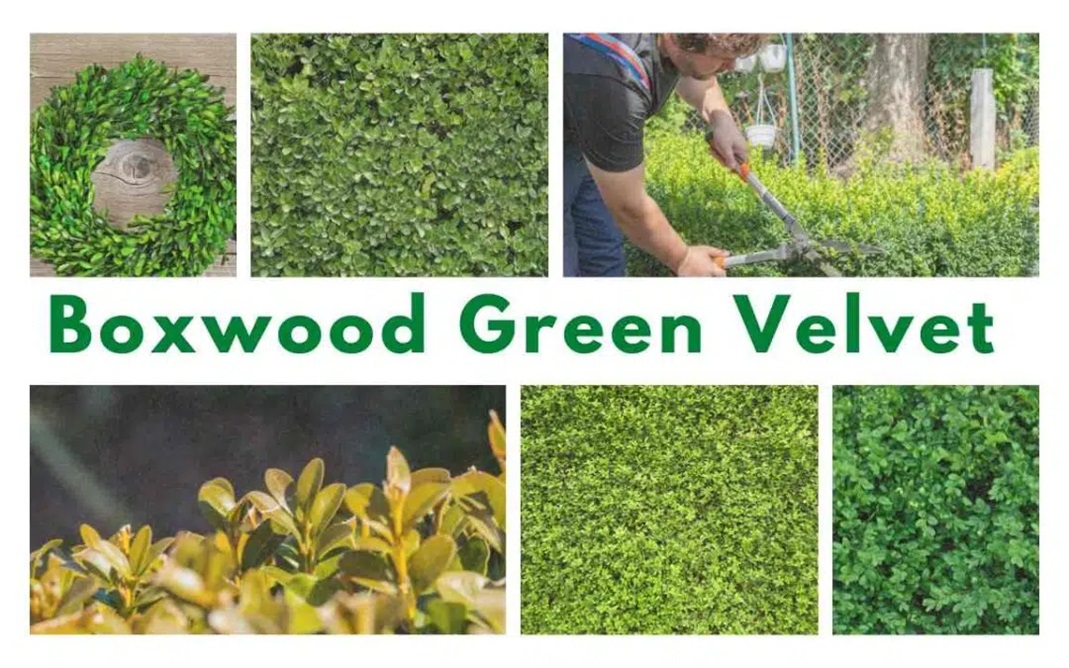
Boxwood Green Velvet is a compact evergreen shrub prized in UK gardens for its dense, glossy foliage and suitability for low hedging, topiary and container planting. This guide explains planting, care, pruning and how to reduce risks from pests and diseases that affect Buxus across the British Isles.
- Type: Evergreen shrub (Buxus spp.), compact habit
- Best sites: Partial to full sun, well-drained, neutral to alkaline soils
- Uses: Low hedging, topiary, edging, containers
- Main threats in the UK: Box blight and box tree moth; follow local guidance
- Recommended reference: RHS plant care guidance for Buxus
Boxwood Green Velvet overview
Boxwood Green Velvet (Buxus), often selected for its tidy, rounded growth habit and small glossy leaves, suits formal and informal planting schemes in the UK. Several Buxus varieties exist, some hardier or leafier than others; Green Velvet is commonly chosen for compact hedges and sculpted forms. The shrub is valued for year-round structure, low seasonal maintenance and adaptability to pruning.
Planting and site selection
Soil and drainage
Plant in fertile, well-drained soil. Boxwood tolerates a range of soil textures but performs poorly in waterlogged conditions where root rot can develop. If soil is heavy clay, improve drainage with organic matter or plant on a raised bed or ridge.
Light and temperature
Green Velvet does well in full sun to partial shade. In very exposed coastal or upland sites provide shelter from strong cold winds to reduce leaf scorch. In the UK, select microclimates that match the chosen cultivar’s hardiness rating.
Spacing and initial planting
Space plants according to the desired result: close spacing (15–30cm) for dense low hedges; wider for individual specimens or topiary. Water well after planting and apply a mulch to conserve moisture while avoiding direct contact with stems.
Care and maintenance
Pruning and shaping
Prune once or twice a year to maintain shape. Light trimming during the growing season keeps density; harder pruning in late spring or early summer avoids cutting back into old wood in late autumn and winter when regrowth could be vulnerable to frost. Use clean, sharp tools and remove no more than one-third of the live growth at a time for older plants.
Watering, feeding and mulch
Water regularly during the first year after planting and during dry spells. Apply a balanced, slow-release fertiliser in spring if growth appears slow, and refresh organic mulch annually, keeping mulch a few centimetres away from stems to discourage collar rot.
Pest and disease management
Box blight (caused by Calonectria/Cylindrocladium species) and box tree moth (Cydalima perspectalis) have affected Buxus across the UK. Monitor regularly for leaf browning, defoliation or webbing. Remove and dispose of severely affected material rather than composting. For up-to-date recommendations on diagnosis and management, refer to guidance from horticultural authorities such as the Royal Horticultural Society (RHS: Buxus). Local plant health services and statutory guidance from government plant health agencies provide regulatory information on pest reporting and control measures.
Uses in the garden and landscaping
Hedging and boundaries
Green Velvet is well suited to low formal hedges and edging due to its compact habit. Regular trimming maintains a neat line and helps suppress weeds at the base.
Topiary and architectural planting
Small-leaved boxwoods are traditional for topiary. Select healthy, evenly growing plants and prune gradually to develop the desired forms. In container displays use free-draining compost and protect roots from prolonged waterlogging.
Companion planting and design tips
Combine boxwood with seasonal bulbs, herbaceous perennials or evergreen accents for year-round interest. Avoid planting vigorous root competitors close to the base and maintain a mulched buffer zone to reduce competition for moisture and nutrients.
Maintenance calendar
- Spring: Inspect for frost damage, feed if required, prune lightly after shoot growth begins.
- Summer: Water in dry periods, check for pests such as box tree moth larvae.
- Autumn: Reduce heavy pruning; clear fallen leaves and diseased material promptly.
- Winter: Protect young plants from severe cold and wind where necessary.
Frequently asked questions
Is Boxwood Green Velvet suitable for low hedges in the UK?
Yes. Boxwood Green Velvet is commonly used for low hedges in UK gardens due to its dense, evergreen foliage and capacity to take regular trimming. Proper site selection and disease monitoring are important for long-term performance.
How often should boxwood be pruned?
Light trimming once or twice per growing season maintains shape. Major pruning is best done in late spring or early summer. Avoid heavy cutting in late autumn or winter when recovery can be slower.
How can box blight and box tree moth be recognised and managed?
Look for dark lesions, defoliation, and webbing or caterpillars on foliage. Remove and destroy severely infected material; avoid composting. Follow guidance from plant health authorities and horticultural organisations for inspection and control options.
Can Boxwood Green Velvet grow in containers?
Yes. Choose a suitably sized container with good drainage, use free-draining compost, water regularly and protect from prolonged waterlogging and extreme cold.
Where to find reliable information about boxwood care and pests?
Authoritative sources include the Royal Horticultural Society (RHS), university horticulture departments and government plant health agencies. The RHS provides plant profiles and practical advice relevant to Buxus management in the UK.