How Does Brake Rust Develop When a Car Sits in Winter Weather?
-

- Published Updated
- 111 views
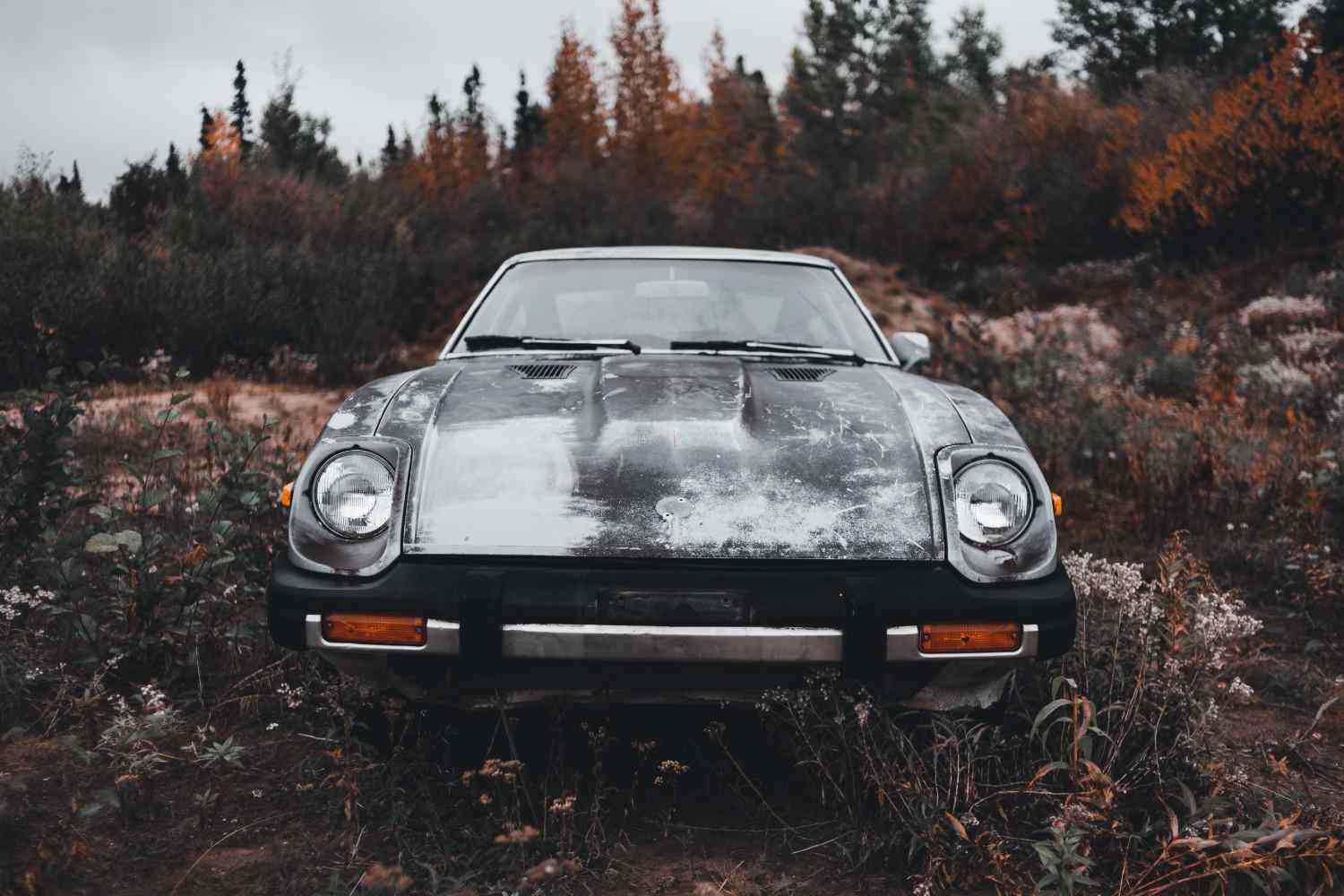
A car can sit outside for a few days during winter and develop a thin orange-brown coating on its brake rotors. It can look dramatic, especially through an alloy wheel, but light surface rust is usually a normal result of exposed iron-based metal coming into contact with moisture and oxygen.
The bigger question is what happens after the car starts moving again.
Brake rust develops because many brake components contain iron or steel and are exposed to wet air, road spray and, in Ontario, salty winter moisture. When the brakes are not being used, there is no normal pad-to-rotor contact to remove developing surface oxidation from the braking surface. If the vehicle continues sitting in damp conditions, temporary surface oxidation can become more established corrosion, including pitting in more severe cases.
The distinction between surface rust and damaging corrosion matters. A rusty-looking rotor does not automatically mean the brake system has failed or that the rotor needs replacement. However, significant corrosion can affect braking surfaces or other components and may require professional inspection.
Why Brake Rotors Rust So Quickly
The braking surface of a typical rotor is made from cast iron or another iron-based material. It is deliberately exposed so the brake pads can contact it directly and create the friction needed to slow the vehicle. The downside is that the braking surface has little environmental protection.
When moisture reaches the rotor, electrochemical corrosion can begin. Oxygen and water participate in reactions involving the iron in the metal, producing corrosion products that appear as the familiar orange, brown or reddish coating called rust.
Under normal driving, this process can be difficult to notice because the brake pads repeatedly contact the rotor. That friction removes some of the developing surface oxidation from the pad-contact area.
A parked car loses that cleaning effect.
If the rotor stays wet for hours or days, particularly in a damp environment, corrosion can develop across much of the exposed surface. The rotor may look considerably worse after sitting than it actually is mechanically.
How Winter Conditions Encourage Brake Corrosion
Winter weather creates several conditions that can encourage corrosion. In Ontario, roads may be treated with salt or other de-icing materials. When these substances dissolve in water, they increase the water's electrical conductivity, which can facilitate the electrochemical reactions involved in corrosion.
Salt-laden spray can reach areas around the wheels and braking system, including:
- Brake rotors
- Calipers and brackets
- Parking-brake components
- Wheel hubs and fasteners
- Brake shields and other nearby steel components
Repeated freezing and thawing can also change the moisture conditions around the brakes. The freezing itself is not the main cause of rust. Corrosion depends primarily on factors such as moisture, oxygen and the exposed metal, while salt can make the wet environment more conducive to electrochemical corrosion.
The important point is that cold temperatures alone do not cause brake rust. Winter simply creates more opportunities for moisture, road salt and repeated wet-dry cycles to affect exposed brake components.
What Happens While a Car Is Sitting?
Imagine a vehicle parked outside after being driven on a wet, salty road. The brakes may be warm when the vehicle is parked, which can help dry some surface moisture. As the vehicle cools, however, residual moisture or condensation can remain on exposed metal.
The car then sits. During the first stage, a thin layer of surface oxidation can appear on the rotor. If the vehicle is driven again fairly soon, normal friction-brake use may remove much of it.
If the vehicle remains parked, the corrosion has more time to develop. This is why a vehicle that has been sitting for several days can produce a rough or gritty sound during its first movement. A brief scraping sound can occur as surface oxidation is removed from the rotor when the pads contact it.
That does not mean every scraping noise after storage is harmless. Persistent grinding, unusual brake vibration, pulling, reduced braking performance or other abnormal symptoms deserve professional attention.
Why Some Rotors Show More Rust Than Others
Two cars parked beside each other can develop very different-looking brakes. Rotor material, surface finish, protective coatings and brake design can all affect how quickly corrosion becomes visible. Some rotors may show oxidation more readily than others even when the vehicles experience similar weather.
The vehicle's parking location also matters. A car stored outside and exposed to rain, snow and road spray faces a different environment from one kept in a dry garage.
Even the final trip before storage can make a difference. A vehicle driven through wet, salty conditions and then parked may retain more contamination around the brakes than one parked after a dry drive. Wheel and brake design can also influence airflow and drying around the components.
Why Sitting Can Make Brake Rust More Visible
It may seem counterintuitive, but the brake rotors on a parked vehicle can sometimes look worse than those on a vehicle that is driven regularly.
The reason is simple: when the friction brakes are used, pad-to-rotor contact can remove some surface oxidation from the braking area.
A stationary vehicle gets none of that friction. However, this does not mean driving in winter prevents brake corrosion. A vehicle being driven through winter is also exposed to more water, road spray and salt. Regular brake use may keep the main friction surfaces cleaner while the rest of the braking system continues to experience environmental exposure.
So brake use and corrosion exposure are separate factors. Friction can remove some surface oxidation, while moisture and salt can encourage new corrosion.
Why Hybrids and EVs Can Have More Visible Rotor Rust
Brake use also varies between vehicles. Hybrid and electric vehicles can rely heavily on regenerative braking, which uses the electric motor to slow the vehicle and recover energy. Depending on the vehicle's design, driving conditions and brake-control strategy, the conventional friction brakes may be used less frequently.
That can give the friction-brake surfaces more opportunity to develop visible surface oxidation. This does not mean every hybrid or EV will have excessive rotor rust. Some vehicles deliberately use the friction brakes periodically or employ brake-control strategies that help manage corrosion.
The important point is that vehicle mileage alone does not tell you how frequently the conventional friction brakes have been used.
Is Surface Rust on a Brake Rotor Dangerous?
Not necessarily. A thin, relatively uniform layer of surface rust after a vehicle has been sitting is common. Once the vehicle is driven and the friction brakes are used normally, light oxidation may be removed from the pad-contact areas.
The appearance of the rotor alone is not enough to determine whether the brakes are safe or whether a component needs replacement. The concern increases when corrosion progresses beyond a removable surface film.
Deep pitting, significant roughness, severe corrosion of brake hardware or abnormal braking symptoms can indicate a problem that should be assessed by a qualified professional.
A rotor can also look rusty around its outer edge while the main pad-contact area remains comparatively usable. Conversely, corrosion may be less obvious from outside while another brake component has developed a more serious issue. That is why rust color is a poor diagnostic tool by itself.
What Happens When a Rusty Car Is Driven Again?
For light surface rust, the first few brake applications may remove oxidation from the areas where the pads contact the rotor. The driver may notice a rough or gritty sound at first. The rotor may gradually regain a more uniform appearance as the friction surfaces are cleaned during normal braking.
But this process cannot restore heavily corroded metal. If corrosion has produced deep pits or an uneven braking surface, normal driving cannot simply turn the rotor back into new metal. Material has already been altered or lost, and the resulting surface may affect brake operation.
This is one reason a vehicle that has sat for a long period should not be judged solely by whether the rust disappears after a short drive.
Parking Brakes Can Develop a Different Winter Problem
Brake rust is not limited to the visible disc behind the wheel.
Parking-brake mechanisms can also be affected by moisture and corrosion. Depending on the vehicle, the parking brake may use cables, an electromechanical actuator, rear calipers or a separate drum-style mechanism.
If corrosion develops in these components, a parking brake can become difficult to release or fail to operate as intended.
Moisture can also contribute to brake components becoming stuck after prolonged storage. A vehicle that has been stored outside for an extended period should not be considered road-ready simply because the engine starts.
The braking system deserves attention too.
Why Road Salt Makes Neglected Brakes More Concerning
Salt does not automatically turn a clean brake rotor into a heavily rusted component overnight. Its importance is that dissolved salt increases electrical conductivity in moisture and can facilitate corrosion reactions when salty water remains on metal.
A vehicle driven through winter conditions can accumulate salty residue around its underbody, wheels and braking components. If it is then parked for an extended period, that contamination may remain in place instead of being regularly displaced or washed away.
Repeated exposure can contribute to corrosion of brake hardware, brackets and other steel components, particularly where protective coatings have been damaged or moisture is retained.
The longer a vehicle remains exposed to these conditions, the more important the overall condition of the braking system becomes.
Does a Car Need to Be Driven During Winter to Prevent Brake Rust?
Regular use of the friction brakes can reduce surface oxidation on the pad-contact areas because normal pad contact removes some rust.
But winter driving is not a guaranteed rust-prevention strategy.
A vehicle driven on heavily salted roads is also exposed to more corrosive contaminants. Regular use may keep the rotor faces cleaner while increasing exposure to road salt elsewhere.
The better way to think about it is that brake use and environmental exposure work independently. Using the friction brakes can remove some surface oxidation, while moisture and salt can encourage new corrosion.
Neither factor completely cancels the other.
When Brake Rust Becomes a Repair Decision
The practical question changes when a vehicle has been sitting long enough for corrosion to become more than a cosmetic issue.
- A professional inspection is particularly sensible if you notice:
- Persistent grinding or scraping from the brakes
- Significant brake vibration or pulsation
- The vehicle pulling during braking
- Reduced or unusual braking response
- A parking brake that does not release properly
- Deeply pitted or heavily corroded braking surfaces
- Severe corrosion or visible damage around brake components
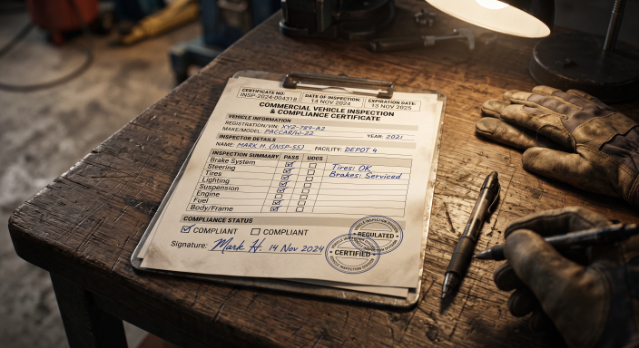
- A vehicle that has been stored for an extended period without a brake inspection
- The inspection should consider the complete braking system rather than simply the visible rotor face.
One vehicle may need only routine brake service, while another with similar-looking rust may have corrosion that makes the repair more involved. Measurements, component condition and braking performance are more useful than appearance alone when determining what work is required.
What If the Car Is Old and the Brakes Are Only One of Several Problems?
Brake rust can become part of a larger ownership decision when a vehicle has been sitting for months or years.
Suppose an older sedan has heavily corroded rotors, a dead battery, deteriorated tires and several other maintenance problems. Replacing the brakes may be technically possible, but the owner also needs to consider the total cost of bringing the vehicle back into reliable road-going condition.
That is different from saying, “The brakes are rusty, so the car should be scrapped.”
A vehicle with rusty rotors may still be worth repairing. The decision becomes more complicated when brake corrosion is one item on a growing list of expensive problems.
At that point, an owner may compare the expected repair costs with the vehicle's current value and overall condition. Depending on the circumstances, selling the vehicle, trading it in, donating it, dismantling it where practical or contacting a scrap car buyer such as ScrapCarBuyerMississauga.ca may all be options worth considering.
The Useful Distinction: Rusty-Looking vs. Rust-Damaged
Brake rust is one of those situations where appearance can exaggerate the problem.
A rotor can develop an ugly orange coating simply because a vehicle sat outside during damp winter weather. Once the vehicle returns to normal use, light surface corrosion may largely disappear from the pad-contact area.
Deep corrosion is different. Pitting, persistent roughness, abnormal braking behavior and severe corrosion affecting brake components deserve professional assessment.
The most useful question is therefore not “How rusty does the brake look?” but “What type of corrosion is present, where is it, and how is the braking system behaving?”
Winter gives exposed brake components plenty of opportunities to develop surface corrosion. A few days of sitting can create a surprisingly dramatic coating, but the color alone does not tell the whole story. The real concern begins when corrosion changes the condition or function of the braking system rather than simply changing its appearance.