Bright, Airy Rooms with a Light Grey Corner Sofa: Layout and Styling Tips
-

- February 23rd, 2026
- 1,474 views

Get a free topical map and start building content authority today.
A light grey corner sofa provides a neutral, reflective base that helps create a bright and airy living space while maximizing seating. This guide outlines layout strategies, color and material choices, lighting tips, and easy styling moves to keep a room feeling open and welcoming whether the space is compact or generous in scale.
- Use scale and placement to open circulation around a corner sofa.
- Pair warm and cool neutrals, light wood, and reflective surfaces for brightness.
- Add textiles, layered lighting, and greenery to introduce texture without overwhelming the palette.
- Choose easy-clean upholstery and routine care to maintain light fabrics.
Light Grey Corner Sofa: Styling and Layout
Match scale to room size
Measure the room and plan seating to preserve circulation. A light grey corner sofa can visually recede when proportions are correct: avoid oversized sections in a small plan and select deeper units for larger living areas. For compact rooms, consider a slim-arm profile, low back, or modular pieces that can be rearranged to suit different activities.
Place for flow and function
Position the corner sofa to define zones without blocking pathways. Anchoring the unit against two walls works well in smaller spaces to free up floor area. In open-plan living, float the sofa on a rug to create a distinct seating area and allow traffic to pass behind one arm. Maintain a 30–45 cm (12–18 in) clearance between coffee tables and the sofa for comfortable movement.
Planning seating, rugs, and flooring
Rug selection and placement
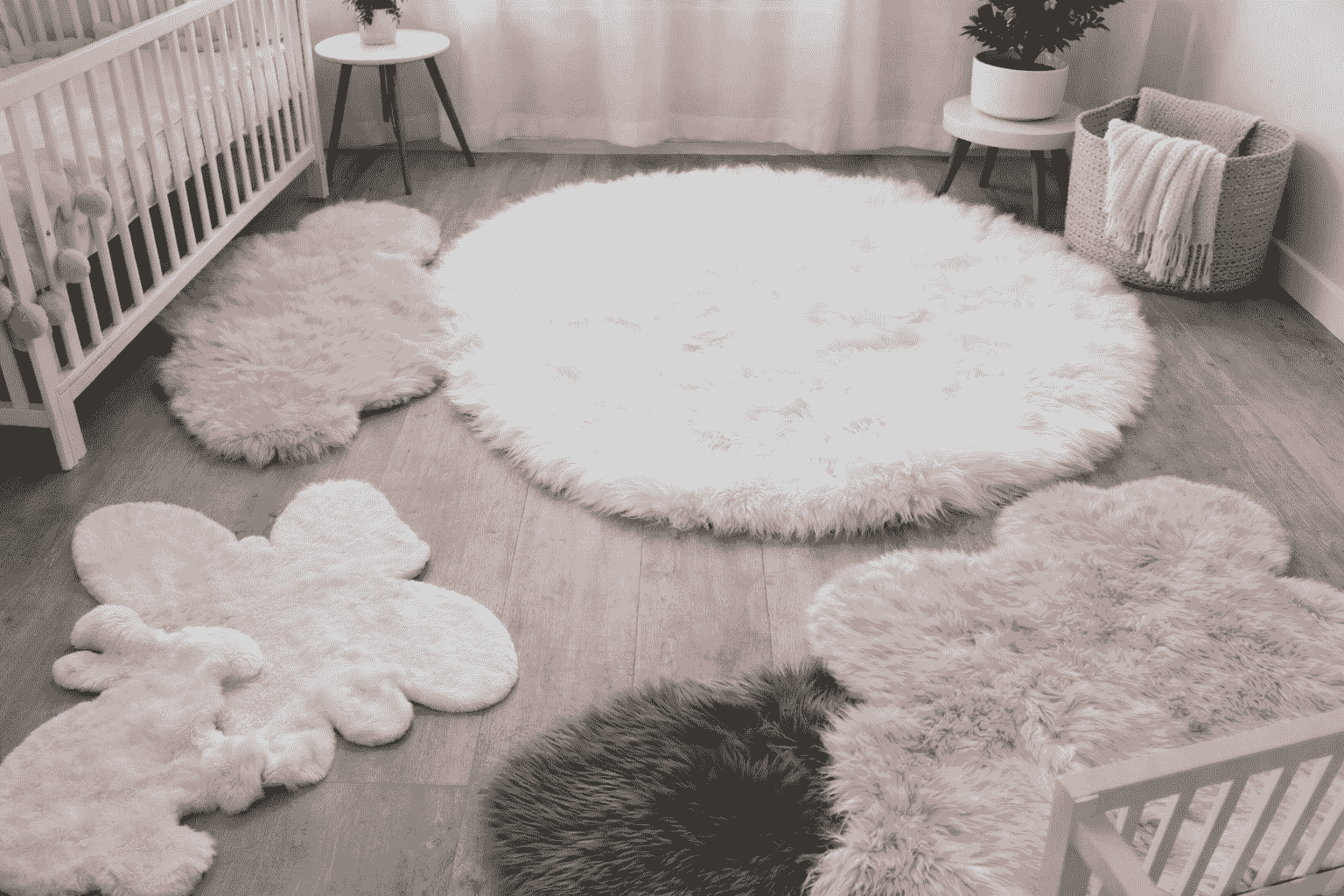
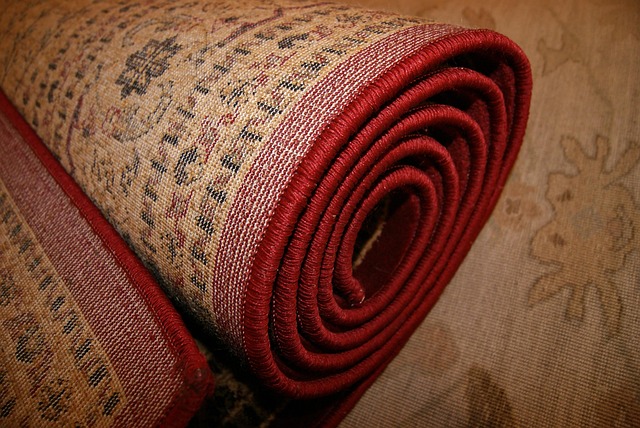
A rug slightly larger than the seating footprint helps ground the corner sofa and brightens the floor plane. Choose a light or neutral rug with subtle patterning to conceal wear while reflecting light. Natural fiber rugs like flat-weave wool or jute add texture; pair with a soft underlay to increase comfort.
Contrast with flooring
Light grey upholstery contrasts nicely with medium and light-toned wood flooring, tile, or pale carpets. For more depth, introduce a darker accent floor runner near the entry or dining area to delineate zones without making the seating area feel heavy.
Color palette, materials, and textiles
Build a cohesive neutral base
Layer complementary neutrals—warm beiges, soft whites, and muted taupes—around a light grey corner sofa to maintain brightness. Add one or two accent colors through cushions and decor: dusty blue, muted terracotta, or sage green are common choices that harmonize with grey without overpowering a calm scheme.
Choose fabrics and finishes
Select upholstery with a practical weave for longevity and easy cleaning. Velvet or looped fabrics introduce luxury and depth, while performance blends and treated linens offer stain resistance. Incorporate cushions and throws with differing textures—knits, woven, or embroidered—to add visual interest and warmth.
Lighting, plants, and accessories
Layered lighting
Combine ambient, task, and accent lighting to keep a space bright at all times. Overhead fixtures provide general illumination, floor lamps near the sofa support reading, and table lamps or wall sconces add a softer glow. Use bulbs with a color temperature around 2700K–3000K for a warm, inviting effect or 3000K–3500K for a crisper, daylight feel.
Greenery and artwork
Houseplants introduce healthy contrast and life without altering the neutral palette. Taller plants placed beside the sofa or in corners enhance vertical space; smaller pots grouped on a side table add scale. Choose simple, framed artworks with light mats to maintain an open feeling and reflect the room’s color story.
Maintenance, durability, and sustainability
Care tips for light upholstery
Vacuum regularly with a soft brush attachment and address spills promptly with manufacturer-recommended cleaners. Removable covers are easier to launder and extend the useful life of cushions. For environmental considerations, look for upholstery made with recycled fibers, low-VOC finishes, or certifications from recognized standards organizations.
Consider professional guidance
For complex layouts or bespoke upholstery, consult certified interior designers or decorators. Industry organizations such as the American Society of Interior Designers offer resources on planning and accessibility standards that can inform durable, functional design choices. American Society of Interior Designers
Styling examples by room type
Small living rooms
Keep finishes light and reflective: pale walls, floor-to-ceiling curtains in lightweight fabric, and a slim-profile coffee table. Use mirrors to bounce daylight and select low shelving to preserve sightlines.
Open-plan spaces
Use the light grey corner sofa to subtly delineate the living area from dining or kitchen zones. Combine with a statement pendant above the dining table and coordinated textiles to create cohesion across the plan.
FAQ
How to style a light grey corner sofa in a small living room?
Select a compact, low-back corner sofa and position it against walls to free up floor space. Use a modest rug to define the seating area and maintain a restrained color palette with a couple of textured cushions. Keep furniture legs visible to create a sense of airiness, and maximize vertical storage to avoid clutter.
What colors go well with a light grey corner sofa?
Soft neutrals—warm whites, beige, and taupe—create a serene backdrop. Add accents like dusty blue, muted terracotta, or olive green for subtle contrast. Metallic finishes in brass or matte black can be used sparingly for hardware and lighting to add depth.
Is light upholstery practical for families or pets?
Yes, when choosing performance fabrics or removable, washable covers. Look for durable weaves and treatments designed to resist stains, and establish cleaning routines to maintain the appearance of light textiles.
Can a light grey corner sofa work in a traditional decor scheme?
Light grey is versatile and can adapt to traditional interiors by selecting classic silhouettes, tailored cushions, and rich textured textiles. Pair with antique wood tones and patterned rugs to bridge modern upholstery with a traditional aesthetic.