Canada Work Permit Rules Updated: What the New A70 Guidelines Mean for Applicants
-
- Published Updated
- 4,390 views
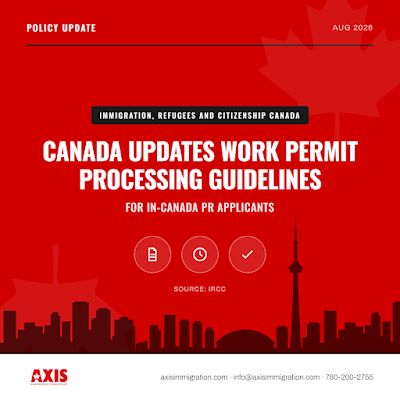
Canada continues to update its immigration processing instructions to make work permit applications more consistent and easier for officers to assess. A recent operational update from Immigration, Refugees and Citizenship Canada (IRCC) reorganizes instructions for certain LMIA-exempt open work permits under administrative code A70, including applications connected with permanent residence and specific family or humanitarian situations.
For people planning to work in Canada, these updates are important because work permit applications can involve detailed eligibility requirements, supporting documents and program-specific instructions. Understanding the difference between an LMIA-exempt work permit, an open work permit and an employer-specific work permit can help applicants prepare more accurately.
For professional guidance, applicants can consult Axis Immigration Consultants, especially when they need assistance understanding their options for a work permit Canada application.
What Is the A70 Work Permit Code?
A70 is an administrative code associated with certain LMIA-exempt open work permit situations. IRCC materials show that A70 has been used for specific permanent-residence-related categories and eligible family members.
An LMIA-exempt work permit means that an applicant does not need a Labour Market Impact Assessment in situations where Canadian immigration rules provide an exemption. However, being LMIA-exempt does not automatically mean that every applicant qualifies for an open work permit.
Eligibility depends on the applicant's immigration category, current status, permanent residence application, family relationship or applicable public policy.
What Has Changed in the Latest Guidance?
The update highlighted in the recent IRCC operational guidance mainly reorganizes and standardizes processing instructions rather than creating an entirely new work permit category.
The revised guidance brings relevant instructions together under Section R207 of the Immigration and Refugee Protection Regulations (IRPR) and clarifies how officers should process certain applications.
The important point for applicants is that an administrative change in processing instructions should not automatically be interpreted as a new eligibility pathway.
IRCC continues to provide separate instructions for different types of open work permits, including work permits for permanent residence applicants, family members and other qualifying groups.
Does the Update Create a New Work Permit Category?
No. Applicants should be careful about this point.
The A70 guidance update is primarily an administrative and processing clarification. It does not mean that every foreign national can now apply for an A70 open work permit.
Applicants must still meet the eligibility requirements of the specific immigration program or situation under which the work permit is requested.
This is particularly important for people searching online for a canada work permit agent or visa consultant in Canada. A professional should first determine which work permit category applies to the applicant instead of simply recommending an LMIA-exempt application.
Who May Be Affected by These Guidelines?
The A70-related instructions can be relevant to certain applicants whose work permit eligibility is connected to permanent residence or specific humanitarian and family circumstances.
Depending on the applicable category, the broader group of applicants may include:
Certain permanent residence applicants
Eligible spouses or common-law partners
Applicants covered by specific humanitarian and compassionate situations
Eligible family members
Applicants covered by particular immigration programs or public policies
However, eligibility is always category-specific. IRCC's current work permit instructions show that open work permits are available only in certain situations.
Why Applicants Should Pay Attention to R207
Section R207 is important because it provides regulatory authority for certain LMIA-exempt work permits connected with permanent residence and other qualifying circumstances.
For applicants, the practical lesson is simple: the correct regulatory provision and administrative code matter when preparing an application.
An application should clearly demonstrate why the applicant qualifies for the relevant exemption. Supporting documents should also match the applicant's circumstances.
A mistake in identifying the appropriate work permit category can result in an incomplete or incorrectly prepared application.
Open Work Permit vs Employer-Specific Work Permit
One common source of confusion is the difference between an open work permit and an employer-specific work permit.
An open work permit generally allows an eligible foreign national to work for most employers in Canada, subject to the conditions on the permit.
An employer-specific work permit, on the other hand, generally identifies the employer and may require a job offer and an LMIA unless an exemption applies.
IRCC explains that open work permits are available only in specific situations, while many employer-specific work permits involve employer-related requirements.
Therefore, applicants should not assume that the A70 update changes the general rules for every work permit Canada application.
What Does This Mean for Permanent Residence Applicants?
For someone already pursuing Canadian permanent residence, maintaining valid temporary status can be extremely important.
Depending on the immigration program and circumstances, an applicant may have access to a work permit that allows them to continue working while their permanent residence application is being processed.
For example, IRCC currently provides open work permit options for certain permanent residence-related applicants and family members under specific programs and policies.
Applicants should therefore review their individual circumstances before applying. The correct option can depend on:
The permanent residence program
Whether the PR application has been submitted
The applicant's current immigration status
Whether eligibility requirements have been met
The applicant's location inside or outside Canada
Family circumstances
The specific LMIA exemption category
What About Spouses and Common-Law Partners?
Family members can sometimes qualify for open work permits, but eligibility depends on the principal applicant's situation and the specific immigration rules that apply.
IRCC maintains separate instructions for spouses and common-law partners of foreign workers and has introduced or updated eligibility rules for several categories during 2026.
This means applicants should avoid relying on older blog posts, social media posts or outdated checklists.
A spouse who qualified under an earlier rule may not necessarily qualify under the same conditions today.
Are the New Guidelines Good News for Applicants?
The main benefit of updated operational guidance is greater consistency in how applications are assessed.
When IRCC reorganizes instructions and clarifies processing procedures, immigration officers have a more standardized framework for reviewing applications.
For applicants, this can make accurate documentation even more important.
The update should therefore be viewed as a clarification of processing guidance, rather than a promise that applications will automatically receive approval.
Documents Applicants Should Prepare Carefully
Although document requirements depend on the specific work permit category, applicants should generally make sure that their application information is consistent across all forms and supporting evidence.
Depending on the case, documents may include:
Valid passport or travel document
Current immigration status documents
Permanent residence application information
Proof of relationship for eligible family members
Employment-related documents, where applicable
Letters or notices issued by IRCC
Forms required for the particular work permit category
Supporting evidence demonstrating eligibility
Previous Canadian immigration documents
IRCC advises applicants to submit a complete application and follow the personalized document checklist generated during the application process. Missing information or documents can create processing problems.
What Applicants Should Do Before Applying
Before submitting an A70-related or other LMIA-exempt work permit application, applicants should take a few important steps.
1. Identify the Correct Work Permit Category
Do not select a category simply because it appears to be LMIA-exempt. First determine whether your personal circumstances match the eligibility requirements.
2. Check Current IRCC Instructions
Canadian immigration policies and operational instructions can change. Always check the current IRCC information rather than relying entirely on an older article.
3. Review Your Immigration Status
Applicants already in Canada should carefully review their current status and the conditions attached to their existing permit or immigration document.
4. Prepare Consistent Documentation
Names, dates, application numbers, relationship information and employment details should be consistent throughout the application.
5. Get Professional Advice When the Case Is Complex
If your situation involves permanent residence, family members, humanitarian circumstances or an LMIA-exempt category, professional immigration guidance can help you understand which pathway may apply.
How Axis Immigration Consultants Can Help
For applicants who are researching immigration consultants Canada, choosing a professional service with experience in Canadian immigration can make the application process easier to understand.
Axis Immigration Consultants provides immigration-related guidance for people exploring Canadian immigration pathways. Applicants looking for an immigration consultant Edmonton, Axis Immigration Edmonton, Edmonton immigration consultants, or immigration services Edmonton can seek professional assistance based on their individual circumstances.
People searching for an immigration consultant Canada, Canadian immigration consultant, Alberta immigration consultant, or immigration agency Edmonton should make sure they understand the professional's qualifications and the services being provided.
Similarly, applicants comparing an immigration lawyer Edmonton, best immigration lawyer in Edmonton, or best immigration consultant in Edmonton should focus on relevant experience, transparent communication and whether the professional is appropriate for their specific immigration matter.
For international applicants, including those looking for registered Canadian immigration consultants in India, it is particularly important to verify the consultant's authorization and understand what services are included.
Axis Immigration Consultants can assist clients in understanding different Canadian immigration options, including work permits and other immigration pathways.
What About Study Permit Holders?
Students should also understand that a work permit under A70 is not the same as authorization to work as an international student.
Canada has separate rules covering international students, including work during studies, post-graduation work permits and work authorization for certain family members.
Therefore, someone researching immigration study permits services Edmonton should not assume that an A70 work permit applies to their situation.
The appropriate immigration pathway depends on the applicant's status and the specific program requirements.
Final Thoughts
The latest A70 guidance is an important administrative update for certain LMIA-exempt open work permit applications. The revised instructions help organize processing guidance under the relevant regulatory framework and clarify how officers should assess applicable cases.
However, the update should not be misunderstood as a general expansion of work permit eligibility.
Applicants should identify the correct immigration category, review the latest IRCC requirements and submit documents that clearly demonstrate eligibility. Because Canadian immigration rules can change, professional advice may be valuable when a case involves permanent residence, family members, humanitarian circumstances or an LMIA exemption.
Whether you are searching for immigration in Edmonton, immigration consultants in Edmonton Alberta, Canada immigration agencies, canada work permit agent, or other Canadian immigration services, make sure you rely on current information and qualified professional guidance.
Axis Immigration Consultants can help applicants understand their available Canadian immigration options and prepare for the next stage of their immigration journey.
Related Articles