Car Insurance Explained: Coverage Types, Costs, and How to Choose
-

- February 23rd, 2026
- 1,721 views

FREE SEO Topical Map Generator: Find Your Next Content Ideas
Car insurance is a contract between a driver and an insurer that helps pay for losses related to a vehicle. This guide explains common coverage types, how premiums are calculated, practical steps to choose a policy, and what to expect when filing a claim.
- Car insurance typically includes liability, collision, and comprehensive coverage.
- Premiums depend on driving record, vehicle type, location, and coverage limits.
- Compare policies by coverage, limits, deductibles, and consumer protections.
Understanding car insurance
Car insurance provides financial protection for drivers, passengers, and other road users after accidents, theft, or damage. Minimum requirements vary by jurisdiction; many places require liability coverage to pay for injuries and property damage caused to others. Additional coverage options can reduce out-of-pocket expenses after a crash or non-collision incident.
Types of coverage
Liability coverage
Liability pays for bodily injury and property damage that the policyholder causes to others. State or regional regulators typically set minimum liability limits. If losses exceed those limits, the driver may be personally responsible for the remainder.
Collision coverage
Collision covers repairs or replacement of the insured vehicle after a collision with another vehicle or object, regardless of fault. A deductible usually applies; selecting a higher deductible lowers the premium but increases out-of-pocket costs after a loss.
Comprehensive coverage
Comprehensive covers non-collision events such as theft, vandalism, fire, flood, or damage from falling objects. Like collision, comprehensive typically has a deductible and is optional unless required by a lender on a financed vehicle.
Uninsured and underinsured motorist
This coverage helps when the other driver lacks sufficient insurance or has none. It can cover medical bills, lost wages, and, in some cases, vehicle damage.
Medical payments and personal injury protection (PIP)
Medical payments or PIP cover medical treatment for the driver and passengers regardless of fault. Availability and limits vary by state or province.
How premiums are calculated
Insurers calculate premiums using a mix of factors: driving history, age, vehicle make and model, annual mileage, location, credit-based scores in some jurisdictions, and chosen coverage limits and deductibles. Insurers use actuarial data and statistical models to predict risk and set prices.
Risk factors that commonly raise premiums
- Recent accidents or traffic violations
- High-theft vehicle models
- High mileage or frequent urban driving
- Poor driving record or inexperienced drivers
Choosing the right policy
Select coverage based on legal requirements, vehicle value, personal finances, and tolerance for out-of-pocket costs. When comparing policies, look beyond price: examine coverage limits, exclusions, claim handling processes, and the insurer's financial strength and customer service record.
Policy limits and deductibles
Higher limits increase protection but raise premiums. A higher deductible lowers premium costs but requires more funds when filing a claim. Balance deductible levels with emergency savings and risk tolerance.
Tips to reduce costs
- Bundle policies (home and auto) if available to receive a multi-policy discount.
- Maintain a clean driving record and complete defensive driving courses where accepted by insurers.
- Ask about discounts for safe driving devices, low mileage, and vehicle safety features.
- Review coverage annually and adjust limits or deductibles as needs change.
Filing a claim and working with insurers
Steps after an accident
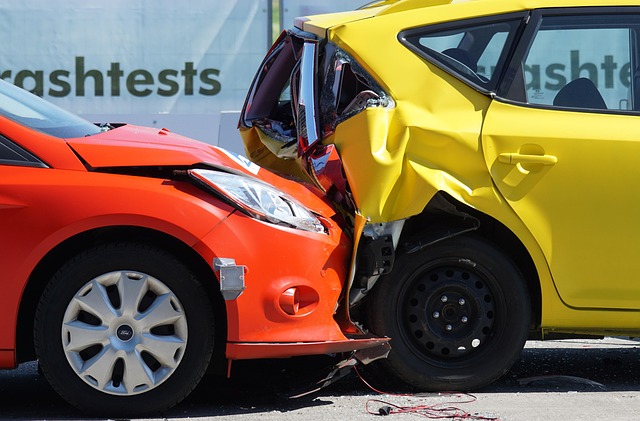
Ensure safety and seek medical attention if needed. Exchange contact and insurance information with other parties and document the scene with photos. Report the incident to the insurer promptly and provide accurate details to the claims representative.
What to expect during the claims process
The insurer may assign an adjuster to inspect damage, evaluate coverage, and estimate repair or replacement costs. Keep records of all correspondence, repair estimates, and receipts. Ask about timelines for settlement and whether a rental car is covered under the policy.
Regulation and consumer protections
Insurance is regulated at the state or provincial level in many countries. Consumer protections include requirements for disclosure of policy terms, solvency oversight of insurers, and complaint processes. The National Association of Insurance Commissioners provides model regulations and consumer resources in the United States. Other useful resources include state insurance departments, the Insurance Information Institute, and government motor vehicle agencies.
Common pitfalls and how to avoid them
- Accepting the minimum required coverage without assessing personal risk—consider supplementing with higher limits if uninsured exposure exists.
- Failing to disclose relevant information when purchasing a policy, which can lead to denied claims.
- Relying solely on price—low-cost policies may have narrow coverages or poor claim service.
Frequently asked questions
What does car insurance typically cover?
Typical coverage includes liability (bodily injury and property damage), collision, comprehensive, uninsured/underinsured motorist, and medical payments or PIP. Specific limits, exclusions, and requirements depend on the policy and jurisdiction.
How much car insurance do I need?
Required amounts depend on local law and personal circumstances. Factors to consider include vehicle value, savings and assets to protect, driving habits, and whether the vehicle is financed. Many consumers choose higher liability limits than the statutory minimum to reduce personal exposure.
How can premiums be lowered without sacrificing protection?
Consider raising deductibles, qualifying for discounts (multi-policy, safe driver, low mileage), choosing vehicles with strong safety records, and maintaining a good driving record. Periodic policy reviews can identify better pricing or appropriate coverage adjustments.
Where to get help with disputes or complaints?
Contact the insurer's customer service or complaint department first. If concerns remain, file a complaint with the state or provincial insurance regulator. Consumer advocacy groups and independent ombudsman offices may provide additional guidance.
Understanding car insurance options and responsibilities helps manage financial risk and ensures compliance with legal requirements. Regularly review coverage, compare offers, and use official consumer resources to make informed decisions.