10 Signs Your Car Is Ready for the Scrapyard And Not the Mechanic
-

- Published Updated
- 9,283 views

There comes a point in every car's life when no amount of repairs can justify the cost of keeping it on the road. The tough part is knowing when that point has arrived. Here are ten clear signs that your car belongs in the scrapyard — not back in the repair shop.
Signs your Car has reached to its age
1. Repair Costs Exceed the Car's Value
This is the golden rule of scrapping. If the bill from your mechanic is approaching or exceeding what your car is actually worth on the market, it is time to walk away. A useful rule of thumb is the 50% rule — if a single repair costs more than 50% of the car's current value, scrapping or selling makes more financial sense than fixing it. Always get a valuation before authorizing major work.
2. The Rust Is Winning
A little surface rust is cosmetic. Deep structural rust is a safety crisis. When corrosion eats into the chassis, the floor panels, or the frame of the vehicle, no repair can fully restore its integrity. Structural rust compromises the car's ability to protect you in a collision and can make it fail safety inspections entirely. If the rust has spread beyond the surface, the scrapyard is the honest destination.
3. The Engine Is Burning Oil or Losing Compression
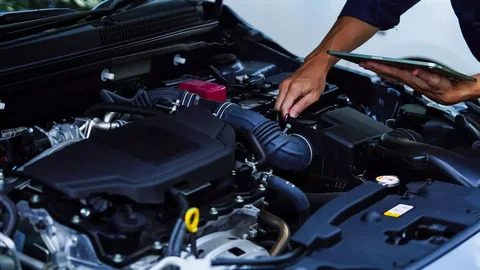
An engine that burns through oil rapidly, produces blue or white smoke from the exhaust, or has lost significant compression is sending a clear message. Engine rebuilds or replacements are among the most expensive repairs in automotive work, often running into thousands of dollars or pounds.
4. The Transmission Is Failing
A slipping, shuddering, or unresponsive transmission is another repair that can cost as much as the car itself on an older model. If your car hesitates between gears, lurches unexpectedly, or refuses to engage properly, get a quote — then compare it to the car's resale value.
5. It Fails Emissions or Safety Inspections Repeatedly
A car that cannot pass its annual inspection is not road legal, and if the reasons are recurring or worsening, fixing them becomes a recurring cost with no end in sight. Repeated failures on emissions tests often signal deep engine or exhaust system problems.
6. The Mileage Is Extremely High
High mileage alone does not condemn a car, but past a certain point — typically 150,000 to 200,000 miles depending on the make and model — components begin to fail in clusters. If your car has very high mileage and is already showing other symptoms on this list, the combination is a strong signal that its useful life is nearing its end.
7. Safety Features Are Compromised or Outdated
Airbags that have deployed and not been replaced, ABS systems that no longer function, seatbelts that fail to retract, or crumple zones weakened by previous accidents all reduce your protection on the road. Older vehicles also lack modern safety technology entirely.
8. It Spends More Time in the Shop Than on the Road
If you find yourself arranging lifts, renting vehicles, or simply going without transport because your car is perpetually being repaired, it has stopped being a convenience and become a liability. Reliability is a core function of a vehicle.
9. Parts Are No Longer Available
Older or discontinued models eventually reach a point where spare parts become scarce, expensive, or simply impossible to source. When mechanics begin telling you they cannot find the parts needed, or when sourcing components requires specialist dealers and long waits, maintaining the vehicle becomes impractical regardless of cost.
10. The Emotional and Financial Stress Is Mounting
If owning the car causes you consistent anxiety — about whether it will start, whether it will make it through the journey, whether the next repair bill will be manageable — that stress has a real cost too. A car should be a tool that improves your life, not a source of ongoing worry. When it becomes the latter, it is worth asking honestly whether holding on is serving you or simply habit.
The Bottom Line
Letting go of a car is rarely easy, especially one you have owned for years. But recognizing when a vehicle has reached the end of its useful life is a practical and financially sound decision. Scrapping your car through a licensed dealer ensures that its materials are recovered properly, its hazardous fluids are disposed of safely, and its metal goes on to live another life in something new.