Your Car Is Dead. The Metal Inside It Isn't.
-

- Published Updated
- 1,789 views
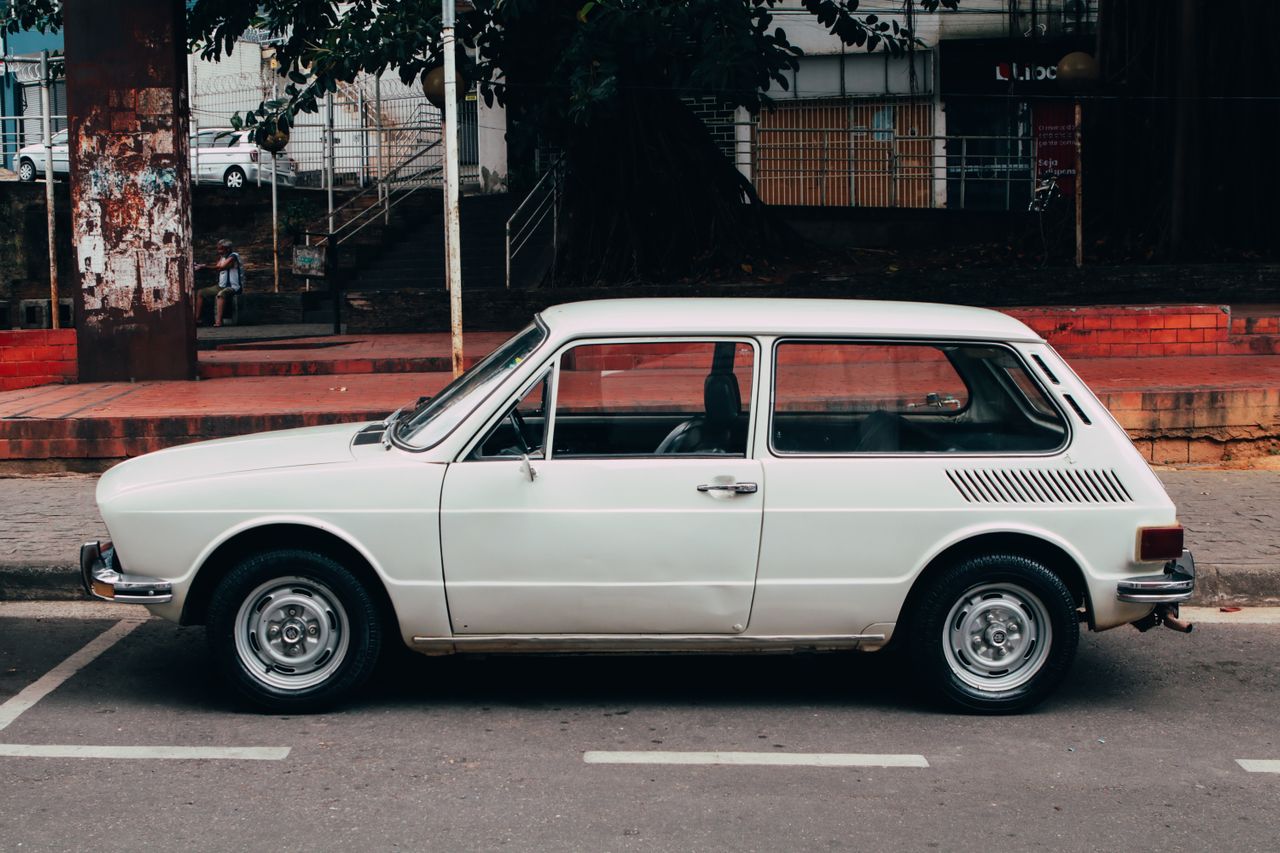
There is a strange moment when a car officially stops being a car.
The engine is finished. The transmission wants nothing to do with you. The body is wearing more rust than paint. The repair estimate is longer than your grocery list.
So you call it junk.
Fair enough.
But technically, the vehicle isn't finished at all.
Its driving career might be over, but sitting inside that old car is a surprisingly useful collection of steel, aluminum, copper, fluids, glass, rubber, electronics, and reusable components.
That changes the question.
Instead of asking, “Can this car still drive?”, end-of-life vehicle recycling asks something different:
“What can still be recovered from it?”
And that is where an apparently worthless car starts getting interesting.
Your Car Is More Than an Engine and Four Wheels
When you look at a vehicle, you see a car.
A recycler sees a collection of materials.
That distinction matters.
Modern vehicles are built from a mixture of materials chosen for different jobs. Steel provides structural strength. Aluminum helps reduce weight. Copper carries electrical current. Plastics are used throughout the interior and exterior. Glass provides visibility. Rubber appears in tires, seals, hoses, and other components.
There are also smaller quantities of other metals and specialized materials.
So even when a vehicle is too damaged or mechanically worn out to repair, much of its physical structure remains useful.
The engine may have given up.
The periodic table hasn't.
Steel: The Heavyweight Inside Your Junk Car
Steel is one of the biggest reasons end-of-life vehicles remain valuable to the recycling industry.
It is used extensively in vehicle bodies, frames, structural components, suspension parts, and numerous mechanical components.
And steel has one major advantage at the scrapyard:
There is a lot of it.
The exact amount varies by vehicle, but a typical passenger vehicle contains a substantial amount of ferrous material.
Once recovered and processed, scrap steel can become feedstock for steelmaking.
It doesn't necessarily return to the road as another car.
It might eventually become part of construction products, machinery, appliances, infrastructure, or another manufactured product.
That is the interesting part of recycling.
Your old vehicle doesn't have to become another vehicle to remain useful.
Aluminum Plays a Different Game
Aluminum is lighter than steel, which makes it attractive to vehicle manufacturers trying to control weight.
Depending on the vehicle, aluminum can appear in wheels, engine components, transmission housings, body components, and other parts.
Its recycling story is particularly interesting because aluminum can be repeatedly recycled.
The metal doesn't suddenly become useless because the original car has reached the end of its life.
In fact, recycling aluminum generally requires far less energy than producing primary aluminum from bauxite ore.
So that old wheel sitting under your rust-covered car could eventually become material for something completely different.
Your vehicle retired.
The aluminum didn't.
Then There Is Copper Hiding Everywhere
Copper isn't usually the first material people think about when they imagine a junk car.
They should.
A modern vehicle contains extensive electrical wiring and numerous electrical components.
Copper is used because it conducts electricity efficiently and can be processed and recycled.
Think about everything in a vehicle that needs electricity.
Lights.
Sensors.
Motors.
Entertainment systems.
Control modules.
Charging systems.
Power accessories.
All those systems require electrical connections, and those connections contribute to the vehicle's material composition.
The amount of copper varies significantly depending on the vehicle and its equipment, so it isn't sensible to treat every old car as having the same copper value.
But it demonstrates an important point:
A vehicle's value at the end of its life isn't determined by its engine alone.
What About Catalytic Converters?
Here's where things get particularly interesting.
A catalytic converter isn't valuable simply because it is a chunk of metal.
It contains a catalyst designed to help reduce certain harmful pollutants in exhaust gases.
Some catalytic converters contain platinum-group metals such as platinum, palladium, and rhodium.
Those metals can have significant commodity value, although the amount varies by converter and vehicle.
This is also why catalytic converters shouldn't be treated as if every one has a standard price.
The vehicle, converter design, precious-metal content, market conditions, and condition can all matter.
It is one more example of why an end-of-life vehicle is better understood as a collection of recoverable materials rather than simply “a broken car.”
The Car Has Fluids Too. And They Matter.
Recycling a vehicle isn't just about grabbing the metal and crushing everything.
A vehicle can contain several fluids that need proper handling.
Engine oil.
Coolant.
Brake fluid.
Transmission fluid.
Fuel.
Refrigerants.
Some vehicles may contain additional fluids or materials depending on their systems.
These substances can cause environmental problems if they are allowed to leak onto soil or enter waterways.
That makes depollution an important part of responsible vehicle recycling.
Before the vehicle is processed for material recovery, hazardous or potentially contaminating substances need to be managed appropriately.
This is one reason professional end-of-life vehicle handling is different from simply abandoning an old car somewhere.
What Happens Before the Car Gets Crushed?
The word “crushed” makes the process sound wonderfully simple.
It isn't.
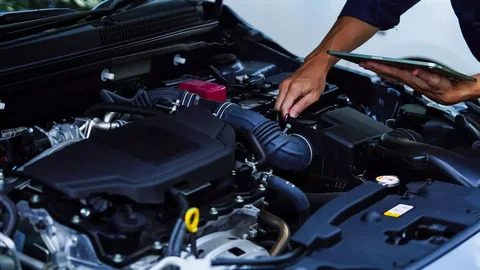
A vehicle may first be inspected to determine whether certain components can be reused, resold, or recovered.
Fluids and hazardous materials can be removed.
Reusable parts may be separated.
Tires, batteries, electronics, and other materials may require their own handling streams.
After depollution and dismantling, the remaining vehicle shell can be processed for metal recovery.
The resulting materials can then be sorted and prepared for recycling.
So the journey looks less like:
Car → giant crusher → mystery metal
and more like:
Vehicle → assessment → depollution → component recovery → processing → material separation → recycling
That difference matters environmentally.
Why the Same Dead Car Can Have Different Scrap Values
This is where people sometimes get confused.
They hear that scrap metal has a market price and assume every vehicle should have a predictable value.
Real-world pricing is more complicated.
Vehicle weight
A larger vehicle generally contains more material than a small compact car.
Metal composition
Not every vehicle contains the same mixture of steel, aluminum, copper, and other materials.
Current commodity prices
Metal markets change.
The value of recyclable material today may not be the same several months from now.
Reusable components
A vehicle may contain parts that still have value beyond their raw material content.
Completeness
A complete vehicle and one missing major components can be assessed differently.
Condition
Severe fire, flood, collision, corrosion, or other damage can change what can realistically be recovered.
So there isn't one magical formula that says:
“Old car = $X.”
The vehicle has to be assessed in context.
Why Leaving the Car Sitting Outside Isn't a Recycling Strategy
Some cars spend years waiting for their owner's “someday.”
Someday I'll repair it.
Someday I'll sell it.
Someday I'll get around to moving it.
Meanwhile, the car quietly becomes part of the property.
That creates another problem.
A vehicle that sits outdoors can continue to deteriorate. Rust progresses. Tires lose pressure. Components corrode. Fluids can potentially leak. Water can enter damaged areas.
If the vehicle is already beyond economical repair, waiting indefinitely doesn't necessarily create more value.
In some cases, it does the opposite.
A Dead Car Doesn't Have to Be Running to Be Removed
There is also the obvious logistical problem.
A car that doesn't run cannot drive itself to a scrapyard.
That sounds ridiculous when written down, but it becomes surprisingly inconvenient in real life.
Maybe the battery is dead.
Maybe the engine seized.
Maybe the transmission failed.
Maybe the vehicle has been sitting for three years.
Maybe the wheels aren't even moving.
This is where scrap car removal becomes useful.
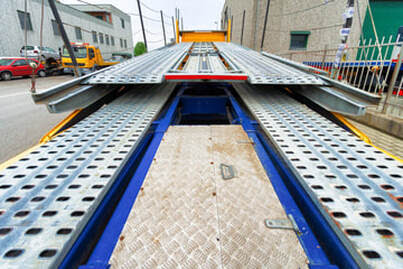
Instead of trying to make an undriveable vehicle roadworthy just to get rid of it, owners can arrange for the vehicle to be picked up and transported for recycling.
Services operating around Mississauga and nearby GTA communities can make this particularly practical for vehicles that are no longer roadworthy.
The useful part isn't the towing itself.
It's that the removal process connects an unwanted vehicle with the recycling system without requiring the owner to resurrect it first.
Don't Start Stripping the Car in Your Driveway
When people learn that cars contain valuable metals, the next thought can be:
“Great. I'll take it apart myself.”
Slow down.
Vehicles contain heavy components, pressurized systems, electrical equipment, sharp metal edges, automotive fluids, and other potential hazards.
Some components also require specialized handling.
If the goal is simply to dispose of an unwanted vehicle responsibly, dismantling it yourself may create more problems than it solves.
It can also leave you with a driveway full of parts and a vehicle that is even harder to transport.
Professional vehicle recyclers and removal services can handle the process according to the equipment and procedures available to them.
Your Old Car Is Part of a Much Bigger Material Cycle
The most interesting thing about vehicle recycling isn't actually the money.
It's the fact that a vehicle can move from transportation equipment into a source of raw materials.
Steel can go back into steel production.
Aluminum can be recovered and processed.
Copper can enter another manufacturing stream.
Usable components can potentially be reused.
Fluids can be managed instead of being left to contaminate the environment.
Glass, tires, plastics, batteries, and other materials can also be directed into appropriate recovery or disposal pathways where facilities support them.
In other words, an end-of-life vehicle isn't necessarily the end of the material's useful life.
It is a change of ownership between industries.
The Best Question to Ask About an Old Car
If your vehicle has reached the point where the repair bill makes your wallet nervous, don't automatically think:
“It's worthless.”
Ask a better question:
“What value is still recoverable from it?”
Maybe the answer is reusable parts.
Maybe it is primarily scrap metal.
Maybe it is a combination of both.
Maybe the vehicle is too damaged to justify another repair but still perfectly suitable for material recovery.
That's the logic behind modern scrap car removall.
A vehicle doesn't need to run to have a final purpose.
It doesn't need a shiny paint job.
It doesn't need a healthy engine.
It doesn't even need another road trip.
Sometimes its final useful journey is much simpler: getting picked up, depolluted, dismantled, processed, and turned back into materials that can be used somewhere else.
So yes, your car may be dead.
But look a little closer.
Under the rust, behind the failed engine, underneath the faded paint, there is still a surprisingly valuable collection of materials waiting for its second life.
**The car is finished.
The metal isn't.**