Can Cataracts Come Back After Surgery? Everything You Should Know
-

- Published Updated
- 6,595 views
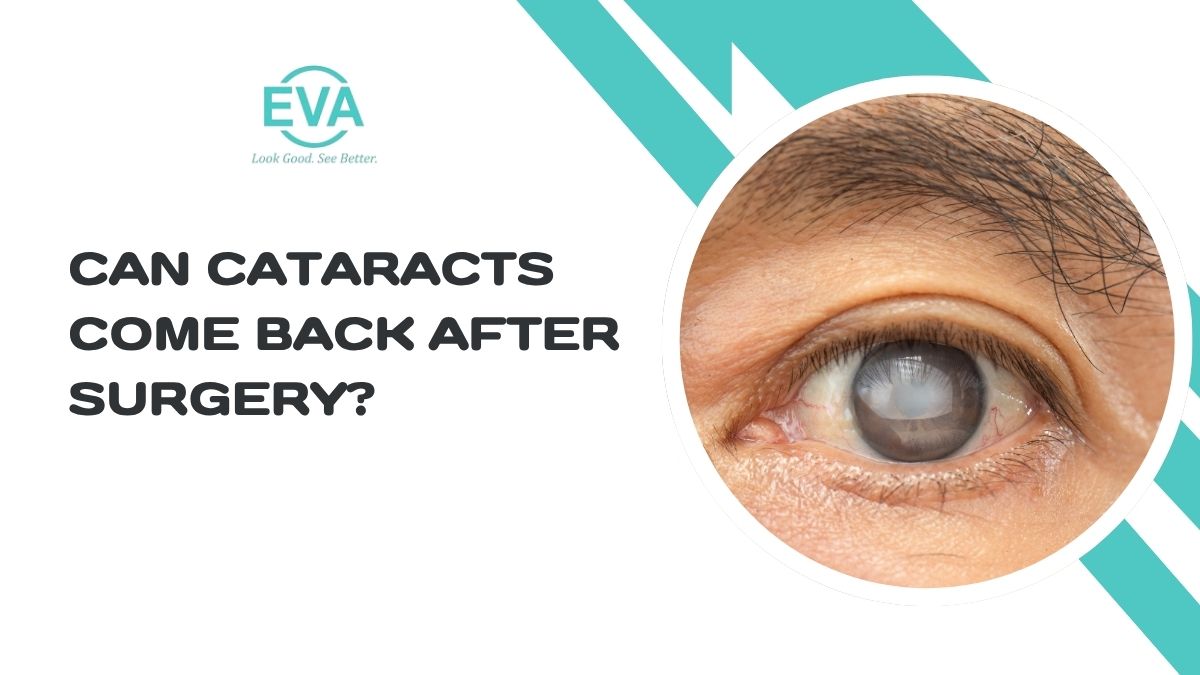
Cataract surgery is one of the most successful and commonly performed eye procedures in the world. Yet, many patients share a common concern after undergoing treatment:
"Can cataracts come back after surgery?"
If you've recently had cataract surgery or are planning to undergo the procedure with the best cataract surgeon in Delhi cataract surgeon in Delhi, this question may have crossed your mind as well.
The short answer is No, cataracts cannot grow back once they are removed. However, some patients may experience blurry or cloudy vision months or even years after surgery, which often leads them to believe that the cataract has returned.
In reality, a different condition is usually responsible.
Let's understand what really happens after cataract surgery, why vision may become cloudy again, and what can be done to restore clear eyesight.
What Happens During Cataract Surgery?
A cataract develops when the natural lens of the eye becomes cloudy, making vision blurry, dull, or distorted.
During cataract surgery, a cataract surgeon removes the cloudy natural lens and replaces it with an intraocular lens implant (IOL), also known as an artificial lens after cataract surgery.
The procedure is typically:
- Quick and painless
- Performed under local anesthesia
- Completed within 15–30 minutes
- Highly successful with excellent visual outcomes
Once the cloudy lens is removed, it cannot regenerate. This means the original cataract is permanently eliminated.
So, Can Cataracts Come Back After Surgery?
The simple answer is No.
Since the cataractous lens has been removed and replaced with a cataract lens replacement, there is no natural lens left to develop another cataract.
However, many patients experience symptoms similar to cataracts months or years later. This condition is called:
Understanding Posterior Capsule Opacification (PCO)
One of the most common post cataract surgery complications is Posterior Capsule Opacification (PCO), often referred to as a secondary cataract.
Although it is commonly called a secondary cataract, it is not actually a new cataract.
During surgery, the back portion of the lens capsule is intentionally left intact because it helps support the new intraocular lens. Over time, cells may grow on this capsule, causing it to become cloudy.
This clouding is known as:
- Posterior capsule opacification
- Posterior capsule clouding
- Eye lens clouding
- Secondary membrane formation
The result? Vision becomes blurry again, similar to the symptoms experienced before cataract surgery.
Why Does Posterior Capsule Opacification Occur?
PCO is a natural healing response of the eye.
Even after successful vision restoration surgery, some remaining lens epithelial cells can multiply and spread across the posterior capsule.
This condition may develop:
- Within a few months
- One year later
- Several years after surgery
Studies suggest that a percentage of cataract patients may develop some degree of PCO over time, making it one of the most common cataract surgery concerns.
Symptoms of Secondary Cataracts
Many patients notice gradual changes in their vision and wonder if their cataracts have returned.
Common symptoms include:
Cloudy Vision After Cataract Surgery
Objects may begin to appear hazy or foggy.
Blurred Vision After Cataract Operation
Reading, driving, or watching television may become difficult.
Increased Glare
Bright lights, headlights, and sunlight may cause discomfort.
Reduced Contrast Sensitivity
Colors may appear faded or less vibrant.
Difficulty Seeing at Night
Night driving can become challenging due to halos around lights.
If these symptoms develop after initially successful cataract surgery results, PCO could be the cause.
A Real-Life Patient Experience
A 68-year-old patient visited an Eye specialist in Malviya Nagar, Delhi nearly two years after cataract surgery.
He explained:
"Doctor, my surgery was successful, but now it feels like the cataract is coming back."
After a detailed examination, the issue was identified as posterior capsule opacification—not a recurring cataract.
A simple laser treatment restored his vision within minutes.
This is a common experience and highlights why regular follow-up visits remain important even after successful surgery.
How Is Posterior Capsule Opacification Diagnosed?
An experienced Eye surgeon in Malviya Nagar, Delhi can diagnose PCO during a routine eye examination.
The evaluation may include:
- Vision testing
- Slit-lamp examination
- Retinal assessment
- Intraocular lens evaluation
The diagnosis is usually straightforward and painless.
The Solution: YAG Laser Capsulotomy
The good news is that secondary cataracts can be treated effectively.
The standard treatment is called YAG Laser Capsulotomy.
This advanced laser procedure creates a small opening in the cloudy capsule behind the intraocular lens, allowing light to pass through clearly again.
Benefits of YAG Laser Capsulotomy
- No surgical incision
- Painless treatment
- Quick procedure
- No hospitalization
- Immediate vision improvement in many cases
- High success rate
For most patients, it restores the clarity they experienced shortly after cataract surgery.
What to Expect During the Procedure?
Many people feel anxious when they hear the word "laser."
In reality, YAG laser treatment is remarkably simple.
The procedure generally involves:
- Eye drops to dilate the pupil.
- Positioning at a laser machine.
- Laser application lasting only a few minutes.
Immediate return home.
Most patients resume normal activities the same day.
Recovery After YAG Capsulotomy
Recovery is typically very fast.
Patients may experience:
- Slight floaters for a few days
- Mild light sensitivity
- Temporary visual disturbances
However, significant discomfort is uncommon.
Most people notice improved vision after cataract surgery within hours or days.
Cataract Surgery Success Rate and Long-Term Results
Modern cataract surgery is considered one of the safest procedures in ophthalmology.
The cataract surgery success rate is exceptionally high when performed by an experienced specialist.
Long-term benefits include:
- Sharper vision
- Improved quality of life
- Better independence
- Enhanced daily functioning
Reduced dependence on glasses in many cases
The development of PCO does not indicate surgical failure. Instead, it is a known and manageable part of long-term cataract treatment outcomes for some patients.
When Should You Consult an Eye Specialist?
Schedule an eye examination if you notice:
- Gradually worsening vision
- Cloudy or foggy eyesight
- Increased glare
- Difficulty reading
- Night vision problems
- Sudden visual changes
Prompt evaluation helps identify whether the issue is PCO or another eye condition requiring treatment.
Consulting an experienced Eye specialist ensures timely diagnosis and appropriate care.
Tips for Maintaining Eye Health After Cataract Surgery
While cataracts cannot return, maintaining overall eye health remains important.
Attend Follow-Up Appointments
Regular eye exams help detect changes early.
Protect Your Eyes from UV Exposure
Wear quality sunglasses outdoors.
Control Diabetes and Blood Pressure
Systemic health directly affects eye health.
Follow Post-Surgery Instructions
Proper care improves healing and long-term results.
Eat an Eye-Friendly Diet
Include:
- Leafy greens
- Carrots
- Citrus fruits
- Nuts
- Omega-3-rich foods
Report Vision Changes Promptly
Never ignore persistent blurry or cloudy vision.
Final Thoughts
If you're worried that cataracts might come back after surgery, there's reassuring news: they cannot return once the cloudy lens has been removed.
What many people mistake for a recurring cataract is actually posterior capsule opacification, a common and treatable condition that can develop after surgery. Fortunately, modern treatments such as YAG laser capsulotomy can restore clear vision quickly and effectively.
If you're experiencing cloudy vision after cataract surgery, don't assume the procedure has failed. A consultation with the best cataract surgeon in Delhi or an experienced cataract surgeon can help determine the exact cause and guide you toward the right solution.
With proper follow-up care and attention to eye health, most patients continue enjoying excellent vision and the long-term benefits of cataract surgery for many years.