How Should CCTV Cameras Be Positioned Around a Property for Safety?
-

- Published Updated
- 4,196 views
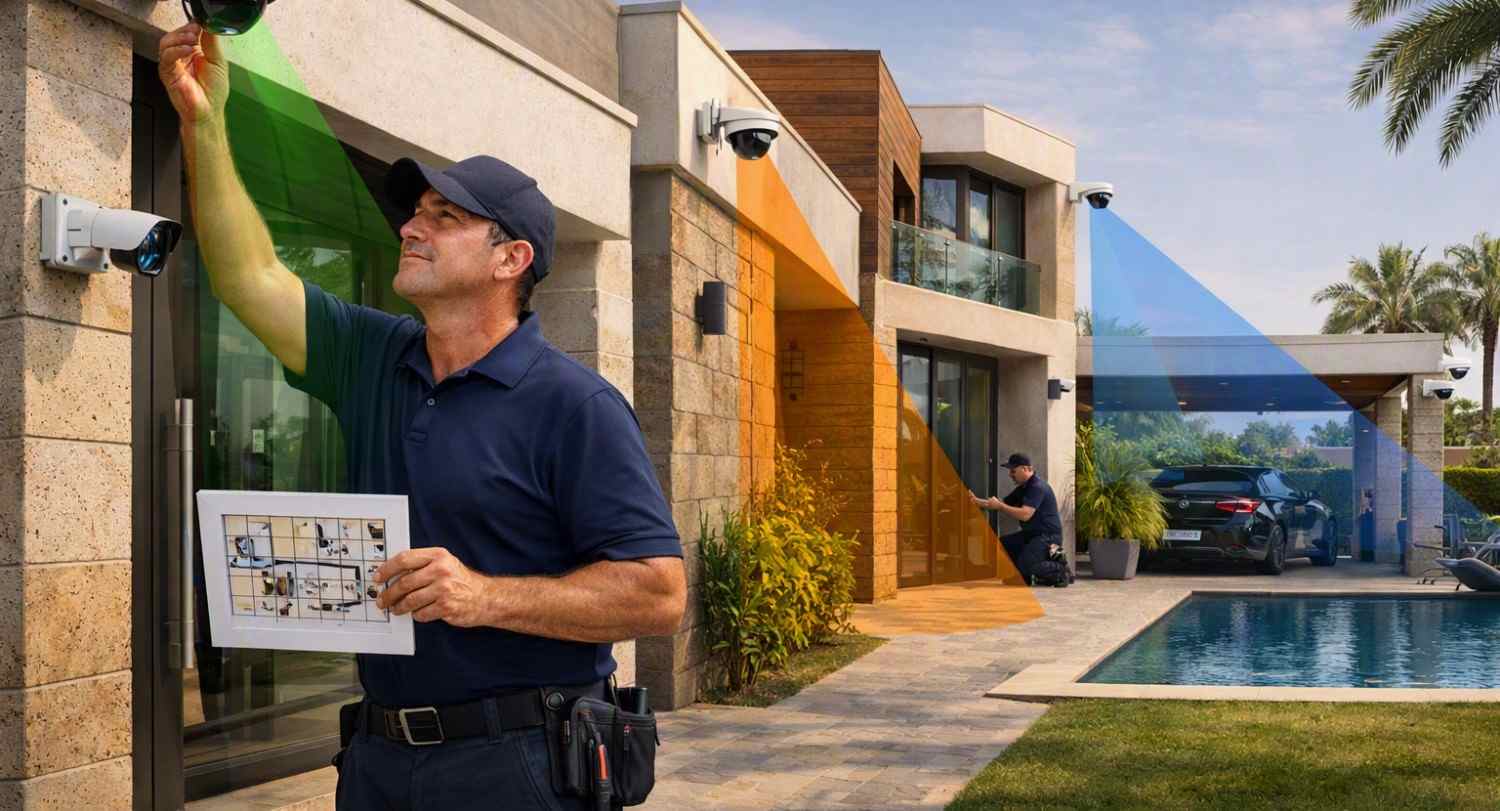
Choosing the right camera locations is an important part of CCTV installation in Dubai. A camera may have good image quality, but poor positioning can leave important areas uncovered. The best setup starts by looking at the property layout, common entry points, lighting conditions, and areas that need regular monitoring. Proper placement also helps reduce blocked views and makes recorded footage easier to understand. for more info: https://ziotech.ae/cctv-installation-services-in-dubai/
Start With the Main Entry Points
Doors are some of the most important areas to monitor. Place cameras where they can clearly capture people approaching or entering the property. The front door, back door, side entrance, and other access points should be considered.
A camera should not point directly toward a strong light source. Bright sunlight, outdoor lights, or reflections can make faces and other details difficult to see. Positioning the camera slightly to the side can often provide a clearer view.
For doors, the camera should be high enough to reduce the chance of damage but low enough to capture useful facial details. The exact height depends on the property and camera type.
Cover the Driveway and Parking Area
Driveways and parking spaces can be useful camera locations for homes and commercial properties. A camera placed near the entrance of a driveway can record vehicles entering and leaving.
Try to position the camera so that the entire vehicle path is visible. Avoid placing it where walls, trees, gates, or parked vehicles can block the view.
For larger parking areas, one camera may not be enough. Several cameras can provide different viewing angles. This can reduce blind spots and make it easier to follow movement across the area.
Watch Side Paths and Less-Used Areas
People often focus on the front of a property and forget about side paths, rear spaces, storage areas, and other less-used sections. These areas can create gaps in coverage.
Walk around the property and identify places where someone could approach without being seen from the main entrance. These locations may need separate cameras.
However, cameras should be positioned with a clear purpose. Installing too many cameras without planning can create overlapping views while still leaving other areas uncovered.
Consider Camera Height and Viewing Angle
Camera height has a direct effect on what the camera can see. A camera mounted too low may be easier to reach or block. A camera mounted too high may provide a wide view but make faces harder to identify.
The viewing angle should also match the area being monitored. Before fixing a camera permanently, check what appears in the frame. Look for walls, tree branches, signs, vehicles, and other objects that may block important details.
For wide outdoor areas, a wider viewing angle may be useful. For entrances and narrow paths, a more focused view can provide better detail.
Pay Attention to Lighting Conditions
Lighting changes throughout the day, so camera placement should be checked during different times. A location that looks clear during the afternoon may have glare from the sun in the evening.
Night lighting is also important. Cameras need enough usable light to record clear footage after dark. If a camera has night vision, make sure nearby objects do not reflect infrared light back into the lens.
Avoid pointing cameras directly at strong lights. A better angle can help reduce glare and improve the quality of recorded images.
Reduce Blind Spots
A blind spot is an area that a camera cannot properly see. Walls, columns, large plants, roof structures, and parked vehicles can create these gaps.
One simple way to find blind spots is to draw a basic property plan and mark the viewing direction of each camera. This makes it easier to see which areas are covered and which areas need attention.
For larger properties, cameras can be positioned at different points so their views support each other. This approach can provide better coverage without relying on one camera to monitor a very large space.
Protect Cameras From Obstructions
Outdoor cameras should have a clear and stable view. Tree branches can move into the camera frame, while dust and dirt can affect the lens over time.
Before installation, check nearby objects that could interfere with the camera. Also consider future changes. A small plant may become a large tree and eventually block part of the view.
Cameras should also be installed where cables and equipment can be protected from accidental damage. The mounting surface should be strong and suitable for the equipment.
Respect Privacy When Choosing Camera Locations
Camera placement should also consider the privacy of people nearby. Cameras should focus on the property and areas that need monitoring rather than unnecessarily recording private spaces.
Avoid positioning cameras toward a neighbor's windows or other areas where people reasonably expect privacy. For shared buildings and commercial properties, local rules and property policies should also be considered before installation.
Review the Camera Layout Before Final Installation
Before fixing all cameras in place, test each location. Check the daytime view, nighttime view, camera angle, image clarity, and possible blind spots.
A practical camera layout should provide useful coverage without unnecessary overlap. Each camera should have a clear purpose, whether it is monitoring an entrance, driveway, pathway, parking space, or another important area.
Careful planning makes CCTV installation in Dubai more effective because camera performance depends not only on the equipment but also on where and how each camera is positioned. https://ziotech.ae/cctv-installation-services-in-dubai/