How to Choose the Best Cheek Contouring in Dubai: Clinics, Procedures, Costs and Results
-
- February 23rd, 2026
- 1,087 views
Introduction
The search for the best cheek contouring in Dubai combines aesthetic goals, budget, and safety priorities. Whether considering non-surgical fillers, fat grafting, or surgical malar augmentation, understanding procedure types, typical results, and clinic selection criteria is essential before booking a consultation.
Detected intent: Commercial Investigation
- Primary focus: compare options and choose a reputable clinic.
- Key decisions: non-surgical vs surgical, provider credentials, realistic expectations.
- Includes a practical CHEEK checklist, clinic selection tips, and FAQs.
best cheek contouring in Dubai
Dubai offers a wide range of providers for cheek contouring, from aesthetic clinics specializing in dermal fillers to hospitals performing cheek implants and malar fat grafting. When evaluating the best cheek contouring in Dubai, weigh the permanence of results, recovery time, and a clinic’s experience with facial anatomy.
Types of cheek contouring: surgical and non-surgical
Non-surgical options (quick, reversible)
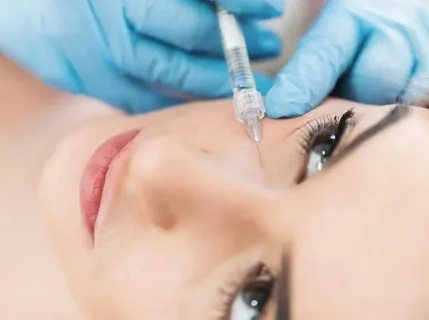
Dermal fillers (hyaluronic acid, calcium hydroxylapatite) are the most common non-surgical choice for volume restoration and contouring. They offer immediate results, minimal downtime, and are well-suited for volume loss or shaping. Search terms like non-surgical cheek contouring Dubai appear frequently for patients who want a low-risk test of a new look.
Surgical options (longer-lasting, more invasive)
Surgical approaches include cheek implants (malar implants) and fat grafting. These provide longer-lasting shape changes but require anesthesia and a recovery period. Surgeons will evaluate skeletal structure, skin quality, and facial proportions before recommending a surgical plan.
How to evaluate cheek contouring clinics in Dubai
Finding the right provider is as important as picking a technique. Look for board-certified plastic surgeons or dermatologists with documented facial experience. Search specifically for cheek contouring clinics Dubai and review before/after galleries, complication rates, and published patient outcomes.
One authoritative safety resource
For factual guidance on injectables and patient safety, consult the American Society of Plastic Surgeons resources on dermal fillers: American Society of Plastic Surgeons — Dermal Fillers.
CHEEK checklist: a simple framework for decision-making
Use the CHEEK checklist before any appointment:
- Consultation quality — Is anatomy, risks, and alternatives explained?
- History & health — Are medical history and medications reviewed?
- Experience — How many cheek procedures has the provider performed?
- Equipment & setting — Is the clinic accredited and sterile?
- Know-how on complications — Are contingency plans and follow-ups discussed?
Real-world example: choosing between filler and fat grafting
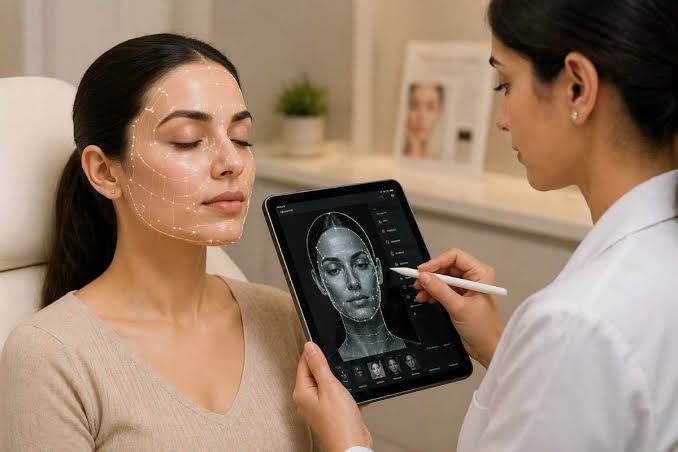
A 38-year-old patient with midface volume loss prefers minimal downtime. Consultation findings: good skin elasticity, early hollowing, no major skeletal asymmetry. The provider recommends staged hyaluronic acid filler to test cheek projection and demonstrates expected changes with photos and 3D imaging. If long-term volume is desired later, fat grafting or implants can be discussed. The staged approach reduced risk and allowed the patient to evaluate the aesthetic before committing to surgery.
Practical tips
- Bring recent photos showing desired results — front and three-quarter views help clarify goals.
- Ask for provider-specific complication rates and revision policies.
- Request to see unedited before-and-after photos with timelines for follow-up images.
- Confirm the exact product/implant model and whether a patch or test is recommended for injectables.
Trade-offs and common mistakes
Trade-offs
Non-surgical treatment trades permanence for flexibility and lower immediate risk. Surgical options trade downtime and higher upfront risk for durable structural change. Cost, recovery, and lifestyle factors influence the optimal choice.
Common mistakes
- Choosing solely on price — unusually low fees can correlate with lower-quality materials or inexperienced providers.
- Not verifying credentials — confirm board certification and facial-specific experience.
- Skipping a realistic discussion of facial proportions — overfilling can create an unnatural look.
Core cluster questions
- How long do cheek filler results typically last?
- What are the recovery times for cheek implants versus fat grafting?
- How to verify a clinic’s credentials in Dubai for facial procedures?
- What are the signs of complications after cheek contouring?
- Can cheek contouring address asymmetry effectively?
FAQ
What is the best cheek contouring in Dubai for someone with mild volume loss?
For mild volume loss, non-surgical dermal fillers are often the best cheek contouring in Dubai due to immediate results, minimal downtime, and the ability to adjust volume over time. A board-certified dermatologist or surgeon should map injection points to avoid vascular complications.
How long do non-surgical cheek contouring results last?
Hyaluronic acid fillers typically last 9–18 months in the midface; denser products or calcium hydroxyapatite can last longer. Individual metabolism and product choice affect duration.
What should be checked during a cheek contouring consultation?
Confirm the provider’s credentials, ask about specific techniques and products, review before-and-after photos, discuss risks and recovery, and obtain written cost estimates including potential revision fees.
Are cheek implants permanent and what are potential risks?
Cheek implants provide a permanent structural change but carry risks like infection, implant shift, or need for revision. Discuss implant material, incision site, and long-term follow-up plans with a qualified surgeon.
How to find reputable cheek contouring clinics Dubai?
Search clinics for board-certified surgeons, patient reviews, clinic accreditation, and procedure-specific galleries. Request an initial consultation to evaluate communication, transparency on risks, and follow-up care policies.