How to Choose the Right Ecommerce Website Design Company: 7 Essential Tips
-

- Published Updated
- 1,191 views
Hiring the right ecommerce website design company is a key decision for online stores and retailers. A qualified team affects conversion rates, page speed, checkout security, mobile usability, and long-term maintainability.
How to evaluate an ecommerce website design company
1. Review portfolio, case studies, and measurable results
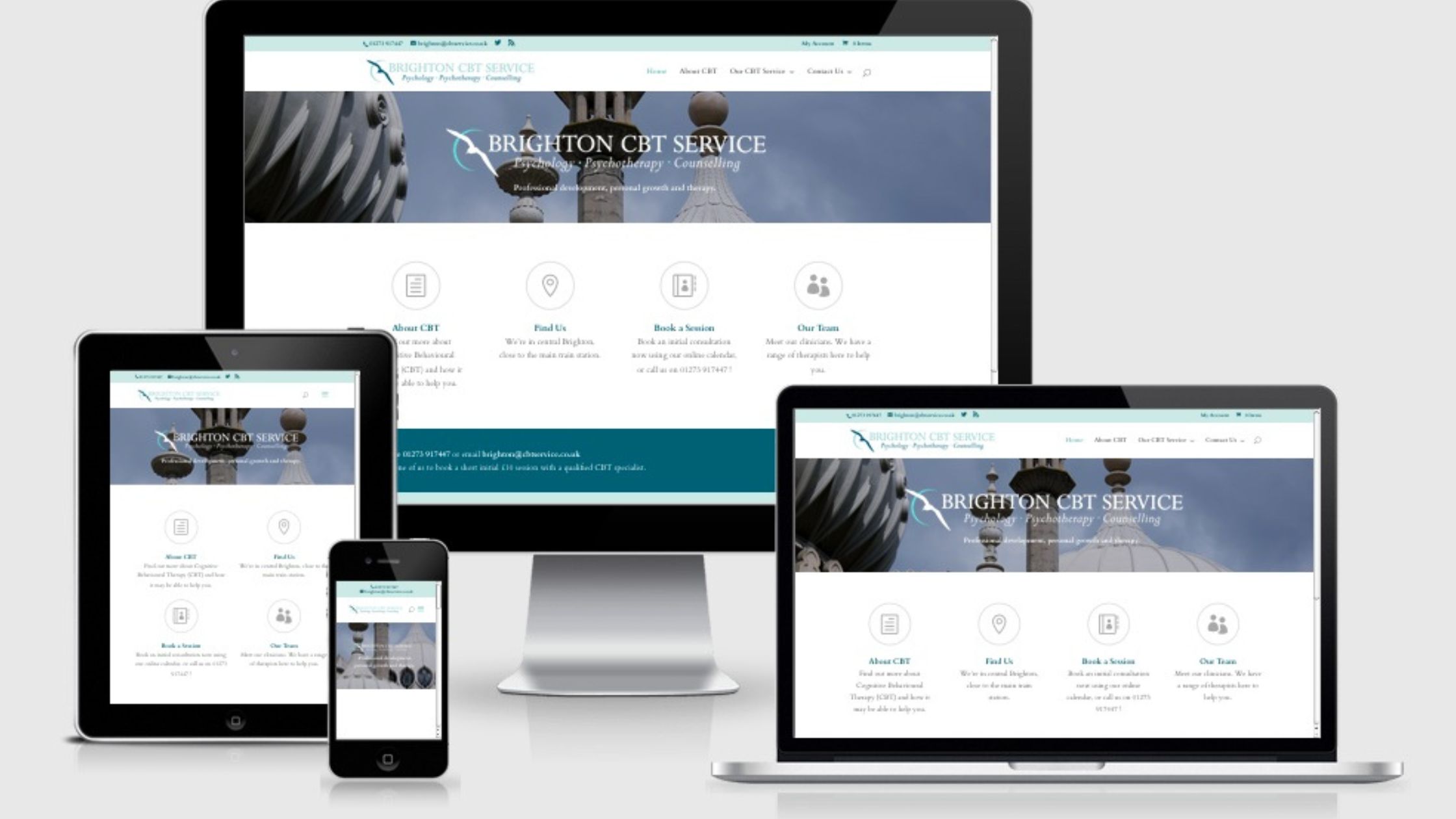
Look for completed ecommerce projects similar in size and industry. Portfolios should include links to live sites, conversion or traffic improvements, and metrics such as load times or revenue growth. Client testimonials and case studies that cite specific KPIs increase confidence. Academic and industry standards from sources such as the Nielsen Norman Group inform expectations for usability testing methods.
2. Prioritize UX, mobile-first design, and accessibility
User experience (UX) and mobile usability directly affect conversion. Confirm that designers use mobile-first principles and follow accessibility best practices such as the Web Content Accessibility Guidelines (WCAG). For technical details about accessibility standards, consult the W3C guidance on WCAG 2.1 and related resources (W3C WCAG).
3. Check platform expertise and technical stack
Different ecommerce platforms and content management systems require distinct skills. Ask which platforms the team supports, whether custom development or headless architectures are offered, and how they handle integrations with payment gateways, inventory systems, or CRM platforms. Verify experience with APIs, responsive frameworks, and modern frontend tooling.
4. Verify security, compliance, and payment handling
Security practices and regulatory compliance are critical. Confirm familiarity with PCI DSS requirements for payment processing and with data protection rules such as GDPR if selling in or to customers in the EU. Ask about secure development practices, regular vulnerability scanning, and data-handling policies.
5. Assess performance, SEO, and analytics approach
Page speed and technical SEO affect discoverability and user experience. Ask how the company optimizes images, implements caching, and measures performance using tools tied to Google Core Web Vitals. Confirm that basic SEO tasks—structured data, canonical tags, sitemap generation, and redirects—are part of the build. Also check how analytics will be set up to track conversions and customer behavior.
6. Clarify scope, timelines, and pricing model
Obtain a clear written scope of work with milestones, deliverables, and an itemized cost estimate. Understand whether pricing is fixed, hourly, or milestone-based and how change requests are handled. Include acceptance criteria and a plan for post-launch bug fixes and iterations.
7. Evaluate process, team structure, and ongoing support
Ask about the project workflow, project management tools, testing procedures, QA, and who will be the main point of contact. Confirm availability for maintenance and support after launch, including SLA terms for urgent issues and routine updates. For larger projects, request a proposed staffing plan showing designers, developers, and QA resources.
Before signing a contract
Request references and contact former clients about their experience. Ask to see sample contracts and clarify ownership of code, design assets, and ecommerce data. Consider a short paid pilot or discovery phase to validate working chemistry and technical fit before committing to a full build.
Frequently Asked Questions
How do I choose an ecommerce website design company?
Compare portfolios, verify platform and security expertise, check client references, and confirm the team’s approach to UX, performance, and post-launch support. A clear scope, milestones, and measurable KPIs help compare proposals objectively.
What questions should be asked during the initial proposal?
Ask about team experience with similar stores, expected timeline, detailed cost breakdown, testing and QA procedures, hosting and deployment strategies, and support options after launch.
How much does hiring an ecommerce website design company typically cost?
Costs vary widely by project scope, complexity, platform choice, and region. Obtain multiple proposals, watch for unrealistic low bids, and evaluate total cost of ownership including hosting, maintenance, and licensing.
Can an ecommerce design company help with migration from another platform?
Many firms offer migration services; confirm experience migrating data, preserving SEO, and handling redirects. A migration checklist should cover product data, customer accounts, order history, and URL mapping.
How important is accessibility and compliance in ecommerce design?
Accessibility improves usability for all customers and reduces legal risk. Compliance with data protection and payment standards is essential for trust and secure operations. Implementing WCAG and PCI DSS practices is recommended.