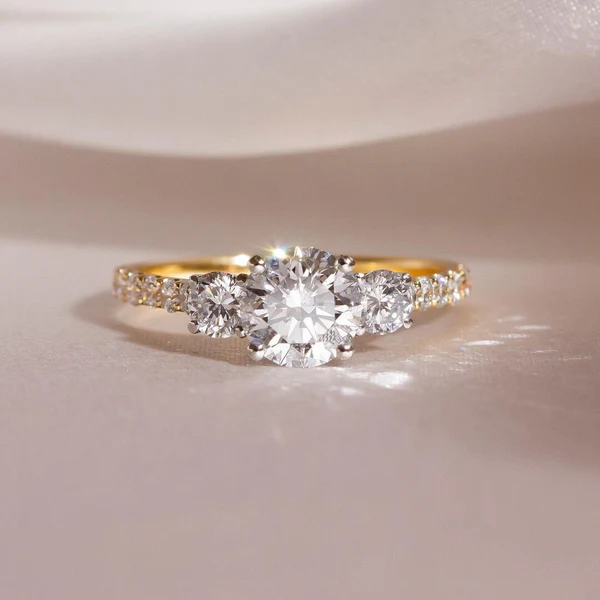
Lightweight Gold Rings: Elevate Everyday Style with Everlite Bands
-

- Published Updated
- 416 views
Lightweight gold rings are a fast-growing choice for anyone seeking elegant jewelry that feels comfortable for daily wear. This guide explains the key features, trade-offs, and practical buying and care steps to choose Everlite-style light gold rings that match lifestyle needs and aesthetic goals.
- Primary focus: lightweight gold rings for everyday comfort and elevated style.
- Checklist: the GOLD checklist (Gauge, Occasion, Longevity, Design).
- Core considerations: karat, alloy, band thickness, stacking, and maintenance.
Why choose lightweight gold rings
Lightweight gold rings reduce daily bulk while retaining the look of classic gold jewelry. They suit a range of uses: minimalist styling, stacking, travel wear, or for professions where heavy rings interfere with tasks. This section covers key terms and the practical advantages that make lightweight rings a sensible choice for many wardrobes.
Key terms and related concepts
- Carat/karat (K): a measure of gold purity—common standards are 10K, 14K, and 18K, affecting color and hardness.
- Alloy: other metals mixed with gold (copper, silver, palladium) influence color (yellow, rose, white) and strength.
- Hallmark: manufacturer or purity stamp (e.g., 14K) indicating content and authenticity.
- Plating vs. gold-filled: plating is a thin layer; gold-filled has thicker bonded layers—important for longevity on lightweight pieces.
- Comfort-fit and thin bands: design choices that affect feel and stacking compatibility.
Lightweight gold rings: a practical buying framework (GOLD checklist)
Use the GOLD checklist to evaluate each ring quickly before purchase.
- Gauge — Check band width and thickness. Narrow bands (1–2 mm) are lighter and stack well.
- Occasion — Match the ring to daily activities: durable for hands-on work, delicate for occasional wear.
- Longevity — Inspect karat and alloy; higher karats are softer but more lustrous, lower karats are harder.
- Design — Look for comfort-fit profiles, soldered seams, and quality finishing to avoid snags.
How to evaluate Everlite-style and similar lightweight gold rings
Evaluating lightweight gold rings involves inspecting materials, construction, and intended use. Look for clear karat markings and ask about alloy composition or plating thickness if that information is not visible.
Official standards and testing guidance can help interpret karat and quality information—see the Gemological Institute of America for standards on gold purity and behavior (GIA: gold basics).
Materials and durability trade-offs
Common real-world trade-offs include:
- Higher karat (18K) = warmer color and softer metal; better appearance but more prone to scratches.
- Lower karat (14K, 10K) = harder and more durable due to higher alloy content; slightly less yellow hue.
- Plated lightweight rings look like solid gold initially but may wear faster; gold-filled or solid gold offers longer service life.
Common mistakes to avoid
- Assuming light weight equals weak construction—thin bands can be well-made but check solder joints and rim finishing.
- Neglecting ring sizing—lightweight bands can shift more, so accurate sizing is essential for comfort and retention.
- Overlooking allergy risks—verify alloy metals if nickel sensitivity is a concern.
Practical tips for wearing and caring for lightweight gold rings
Actionable guidance to keep lightweight gold rings looking their best:
- Rotate rings during chores: take off lightweight gold rings for heavy manual work or cleaning to avoid bending or abrasion.
- Store individually: keep lightweight bands separated or in soft pouches to prevent scratching, especially when stacked.
- Clean gently: use mild soap and warm water with a soft brush; avoid harsh chemicals that remove plating.
- Check settings and solder points periodically and have a jeweler inspect any ring that feels loose or bent.
Short real-world example
A graphic designer who types most of the day prefers a 1.5 mm 14K yellow gold band for comfort and resistance to visible wear. The narrower profile stacks with a thin rose-gold ring for a mixed-metal look. After a year of daily wear, the designer had the band polished and resized once; the lower karat alloy maintained shape without excessive scratching—an outcome that follows the durability expectations set out in the GOLD checklist.
Style uses: stacking, engagement, and everyday wear
Lightweight gold rings are versatile: thin gold bands for stacking, subtly weighted engagement bands, or simple everyday gold rings. Consider combining textures—matte versus polished—for contrast, and mix widths to avoid a monotonous stack. Comfort-fit profiles benefit daily wear by reducing pressure points.
Thin bands and stacking strategies
- Group by metal tone or purpose: reserve one finger for a curated stack of complementary thin bands.
- Mix widths: anchor a stack with a slightly wider band (2–3 mm) and add 1–1.5 mm rings for variety.
- Balance proportion: small stones or milgrain details add interest without bulk.
Core cluster questions
- How durable are lightweight gold rings for everyday wear?
- What is the difference between 14K and 18K gold for thin rings?
- How should lightweight gold rings be sized for stacking?
- What care routines extend the life of plated versus solid gold bands?
- Which alloys are best for allergy-sensitive lightweight rings?
Trade-offs to consider before buying
Choosing lightweight gold rings means balancing comfort, appearance, and longevity:
- Comfort versus durability: thinner bands feel lighter but can be more susceptible to bending; choose thicker shoulders or reinforcement for active wearers.
- Purity versus wear resistance: higher karats look richer but scratch more easily; lower karats resist daily wear better.
- Price versus longevity: plated lightweight rings are more affordable initially; gold-filled or solid gold costs more but lasts significantly longer.
Final checklist before purchase
- Verify karat and hallmark.
- Confirm alloy content if allergies are a concern.
- Inspect construction: solder seams, comfort-fit interior, and edge finishing.
- Ask about plating thickness or gold-filled ratios when applicable.
- Choose accurate sizing with the intended stacking plan in mind.
Conclusion
Lightweight gold rings combine wearability and elegance when selected with attention to materials, construction, and intended use. Use the GOLD checklist, review trade-offs, and follow the practical tips to find Everlite-style or similar lightweight bands that elevate everyday style without sacrificing durability.
Are lightweight gold rings durable enough for daily wear?
Durability depends on karat, alloy, and construction. Lower-karat gold (14K or 10K) and solid or gold-filled construction will typically last longer for daily use than high-karat or thin-plated pieces. Regular inspection and basic maintenance extend service life.
How should thin gold bands be sized for stacking?
Thin bands often require slightly tighter sizing than wider rings because they move more on the finger; consult a jeweler for precise fitting and consider finger swelling at different times of day when measuring.
What care is needed for gold-plated versus solid gold rings?
Gold-plated rings need gentler wear and less exposure to chemicals; cleaning should avoid abrasive cloths. Solid gold can be cleaned more vigorously and polished professionally to restore finish.
Can lightweight gold rings cause skin allergies?
Allergic reactions are driven by alloy metals such as nickel. Choose rings specified as nickel-free or made from known hypoallergenic alloys (palladium-based white gold or high-silver content mixes), and check hallmarking for clarity.
How to spot quality in lightweight gold ring construction?
Quality indicators include a clear karat hallmark, clean solder seams, consistent finish, a comfort-fit interior, and secure stone settings. Ask for magnified photos or examine in person when possible.