How to Choose Reliable Pest Control Services in Nalasopara: A Practical Guide
-

- Published Updated
- 1,104 views
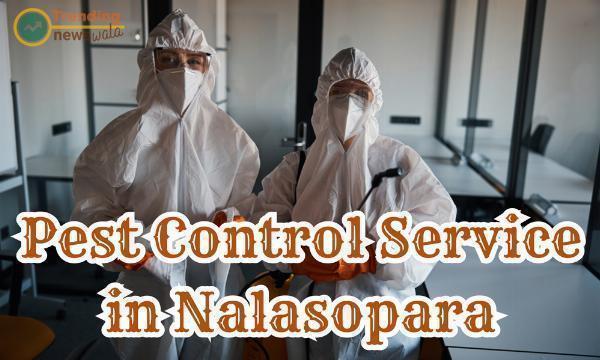
Finding trustworthy pest control services in Nalasopara requires clear evaluation criteria, realistic expectations, and knowledge of common methods. This guide explains what to look for, how services differ, and practical steps to get effective pest control for homes and businesses.
- Compare licensing, treatments, warranties, and safety practices.
- Prefer Integrated Pest Management (IPM) approaches over one-off fumigation where possible.
- Ask for written scope, itemized pricing, and follow-up plans.
Detected intent: Commercial Investigation
Choosing pest control services in Nalasopara: what to evaluate
Start with basic verification: a licensed applicator, transparent pricing, and written guarantees. For both residential and commercial work, inspect methods (baiting, trapping, localized treatment, or fumigation), chemical safety data, and customer references. Use the primary keyword above when comparing online listings and local reviews to find providers who advertise service area coverage and response time.
Service types and trade-offs
Common categories include:
- Residential pest control: focused on ants, cockroaches, rodents, bed bugs, and termites for houses and apartments.
- Commercial pest management Nalasopara: larger-scale plans for shops, warehouses, and restaurants with regulatory compliance and documentation needs.
- Termite and structural treatment: may require chemical barriers, baiting systems, or localized soil treatment.
Trade-offs and common mistakes
Common mistakes include selecting the cheapest quote without checking methods, expecting immediate elimination for issues like termites or bed bugs, and skipping follow-up or prevention steps. Trade-offs to weigh:
- Rapid fumigation vs. integrated, inspection-led treatment (fumigation can be faster but may not prevent re-infestation).
- Single-visit convenience vs. recurring preventive maintenance agreements.
- Broad-spectrum pesticides vs. targeted baits — the latter is safer but can take longer to be effective.
IPM Checklist (Integrated Pest Management Checklist)
Use this named checklist as an evaluation tool before hiring a provider:
- Inspect: Visual inspection and identification of pest species.
- Prevent: Recommendations for sanitation, sealing entry points, and moisture control.
- Treat: Prioritize non-chemical methods and targeted baits; document products used.
- Monitor: Set traps or monitoring points and schedule follow-ups.
- Verify: Provide results, warranty details, and next-step plans.
Certification and safety standards
Request proof of applicator licensing and ask for the Material Safety Data Sheets (MSDS) for any pesticides used. For guidance on vector control best practices, consult authoritative resources such as the World Health Organization's vector control guidance (WHO).
Practical steps to hire and prepare
Follow a clear process to minimize surprises and get predictable outcomes.
- Get at least three written estimates with itemized tasks and chemical names.
- Compare warranties, follow-up visits, and exclusion clauses for re-infestation.
- Ask about non-chemical options and a timeline for visible results.
- Prepare the site as instructed (remove food, cover aquariums, clear clutter) for safe and effective treatment.
Practical tips
- Document: Take photos before and after treatment and keep receipts and the treatment plan.
- Timing: Schedule treatments when occupants can vacate for the recommended interval, especially for fumigation.
- Combine strategies: Use sanitation and exclusion work alongside treatments to prevent recurrence.
- Child/pet safety: Confirm safe re-entry intervals and ask about low-toxicity product options.
Real-world example: a 2BHK termite concern in Nalasopara
Scenario: A 2BHK ground-floor flat shows mud tubes and wood-softening near beams. Recommended approach:
- Inspection to confirm active termite colony and entry points.
- Install monitoring stations and baiting system if colony detected.
- Apply localized soil treatment around foundations where practical; schedule a follow-up in 4–6 weeks.
- Recommend sealing cracks, fixing leaks, and replacing damaged wood where needed.
Outcome: Combining baiting with prevention reduced activity in three months; warranty covers one year with quarterly inspections.
Core cluster questions
- How long does professional pest control treatment last in a residential property?
- What should a written pest control contract include?
- When is fumigation necessary versus targeted treatment?
- How to verify pest control licensing and certifications?
- What prevention steps reduce the need for repeated treatments?
How much do pest control services in Nalasopara cost?
Costs vary by pest type, infestation severity, property size, and method. Expect a range: small apartment treatments may be modestly priced, while termite baiting or commercial contracts will be higher. Always request an itemized estimate and a warranty for re-treatment.
How long before results appear after treatment?
Expect different timelines: baiting systems and traps can take days to weeks; contact sprays may show immediate knockdown but not eliminate hidden colonies. Follow-up monitoring is critical to verify effectiveness.
Are natural or chemical-free treatments effective?
Non-chemical measures (traps, exclusion, sanitation) are effective for low-level problems and as part of an IPM program. For established infestations like termites or bed bugs, professional methods often combine mechanical and chemical tactics for reliable control.
What should be included in a pest control warranty?
A good warranty states the covered pests, duration, conditions for re-treatment, exclusions, and any homeowner responsibilities (e.g., maintaining sanitation or allowing follow-up visits).