Temporary vs Permanent Dimples: A Practical Guide to Choosing the Right Option
-

- March 16th, 2026
- 611 views

FREE SEO Topical Map Generator: Find Your Next Content Ideas
Choosing between temporary vs permanent dimples starts with understanding how each method works, how long results last, and the realistic trade-offs of safety, cost, and recovery. This guide explains common techniques, outlines a decision checklist, and gives practical tips to choose the right approach for different goals.
Detected intent: Informational
- Temporary options (fillers, surface sutures) last weeks to months and have lower commitment but repeated cost.
- Permanent options (surgical dimpleplasty) create lasting dimples with longer recovery and small permanent scars.
- Use the DECIDE Framework and consult a board-certified facial plastic surgeon or plastic surgeon for evaluation.
Temporary vs Permanent Dimples: How they differ
The phrase temporary vs permanent dimples covers a range of procedures that alter soft-tissue or create a tether point between skin and underlying tissue to form a dimple when smiling. Temporary methods typically use injectable fillers or surface sutures placed under local anesthesia and wear off over weeks to months. Permanent methods—commonly called dimpleplasty—use a small incision or internal suture to create a lasting adhesion between the buccal mucosa and the dermis; results are intended to be permanent but carry surgical risks and a recovery period.
How each method works (technique, longevity, and anatomy)
Non-surgical dimple creation (temporary)
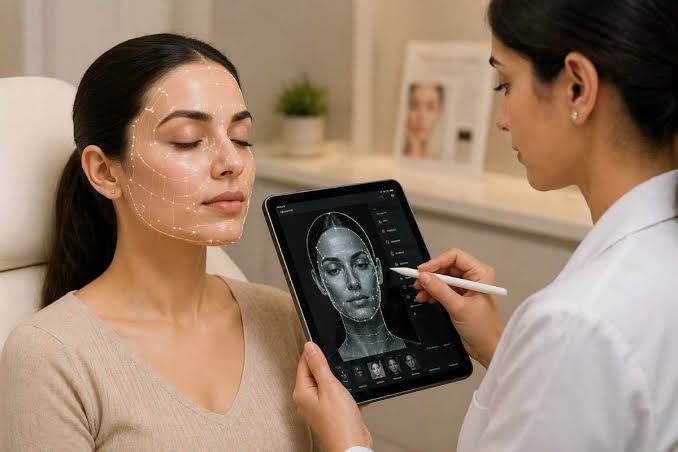
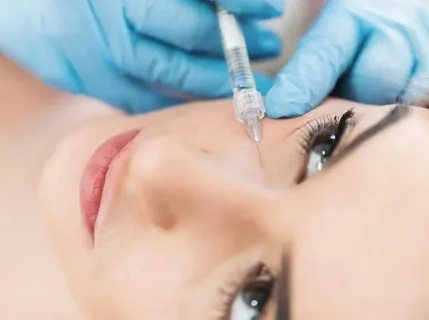
Non-surgical dimple creation usually employs hyaluronic acid fillers placed just under the skin at the dimple site or a percutaneous suture technique that anchors the skin to deeper tissue without an open incision. Longevity ranges from a few weeks to about a year depending on product, placement, and individual metabolism. Advantages are minimal downtime and reversibility (some fillers can be dissolved).
Surgical dimpleplasty (permanent)
Surgical dimpleplasty typically entails a tiny intraoral incision with removal of a small amount of fat and placement of an internal suture that tethers the dermis to the buccal mucosa. This creates a permanent indentation when the facial muscles contract. Recovery commonly includes swelling, mild bruising, and a short course of a soft diet. Scarring is internal in most techniques, but the result is intended to be long-lasting.
Risks, recovery times, and expected results
Understandable questions include dimpleplasty recovery time, infection risk, and how natural the dimple will look. Typical recovery for surgical procedures is 3–10 days of visible swelling and 1–3 weeks to return to normal social activity; final contour can take several months. Temporary methods usually have much shorter downtime—often 24–72 hours—and lower procedural risk, but repeated treatments and maintenance are required.
For authoritative guidance on surgical safety and choosing a qualified surgeon, consult professional organizations such as the American Society of Plastic Surgeons: American Society of Plastic Surgeons.
DECIDE Framework: A named checklist to choose an option
The DECIDE Framework helps make a structured choice:
- Define: Clarify the desired look (depth, position, symmetry).
- Evaluate: Compare temporary vs permanent dimples for duration, recovery, and reversibility.
- Costs: Estimate one-time surgical cost versus repeated non-surgical sessions.
- Inquire: Ask about provider experience, before/after photos, and complication rates.
- Decide: Choose provisional trial (temporary) if uncertainty exists, or go permanent if confident.
- Execute: Arrange consultation, follow pre-procedure instructions, and schedule follow-up.
Core cluster questions
- How long do temporary dimples from fillers last?
- What is the typical recovery after dimpleplasty?
- Which method produces the most natural-looking dimples?
- What are the risks of permanent dimple surgery?
- How to choose a qualified provider for dimple creation?
Real-world example
Scenario: A 26-year-old professional wants a subtle left cheek dimple to appear only when smiling but not permanent. After consultation, a trial with a small hyaluronic acid filler bolus is performed. The filler creates a modest indentation that lasts eight months and helps the person decide whether to pursue permanent dimpleplasty. The trial reduces long-term regret by providing a reversible preview.
Practical tips for choosing and preparing
- Bring clear photos of desired dimple depth and position to the consultation to align expectations.
- Request to see recent before-and-after photos from the actual provider, not stock images.
- Discuss contingency plans: can a permanent dimple be revised or softened if results are unsatisfactory?
- Ask about anesthesia, expected downtime, and specific aftercare (oral rinses for intraoral incisions, swelling control).
- For temporary trials, choose reversible fillers (e.g., hyaluronic acid) that can be dissolved if the result is undesired.
Trade-offs and common mistakes
Choosing between temporary vs permanent dimples involves trade-offs:
- Commitment vs flexibility: Permanent surgery commits to long-term change; temporary options permit reversal or modification.
- Cost pattern: Surgery is a higher upfront cost but may be less expensive over many years compared with repeated filler sessions.
- Risk profile: Surgical dimpleplasty has higher procedural risk (infection, nerve irritation, asymmetry) compared with non-surgical approaches.
- Visibility and naturalness: Improperly placed or oversized dimples—whether temporary or permanent—can look artificial. Common mistakes include selecting too deep an indentation, ignoring facial symmetry, and choosing providers without facial-specific experience.
When to favor temporary options
Temporary methods are preferable when experimenting with appearance, when immediate downtime must be minimal, or when avoidance of any permanent scar is a priority. They also suit those who prefer periodic refreshes rather than permanent change.
When permanent dimpleplasty may be preferable
Permanent dimpleplasty suits individuals who are certain about the desired look, accept surgical recovery, and prefer a single definitive procedure. It can deliver consistent results when performed by an experienced facial plastic surgeon.
Choosing a provider and consent questions
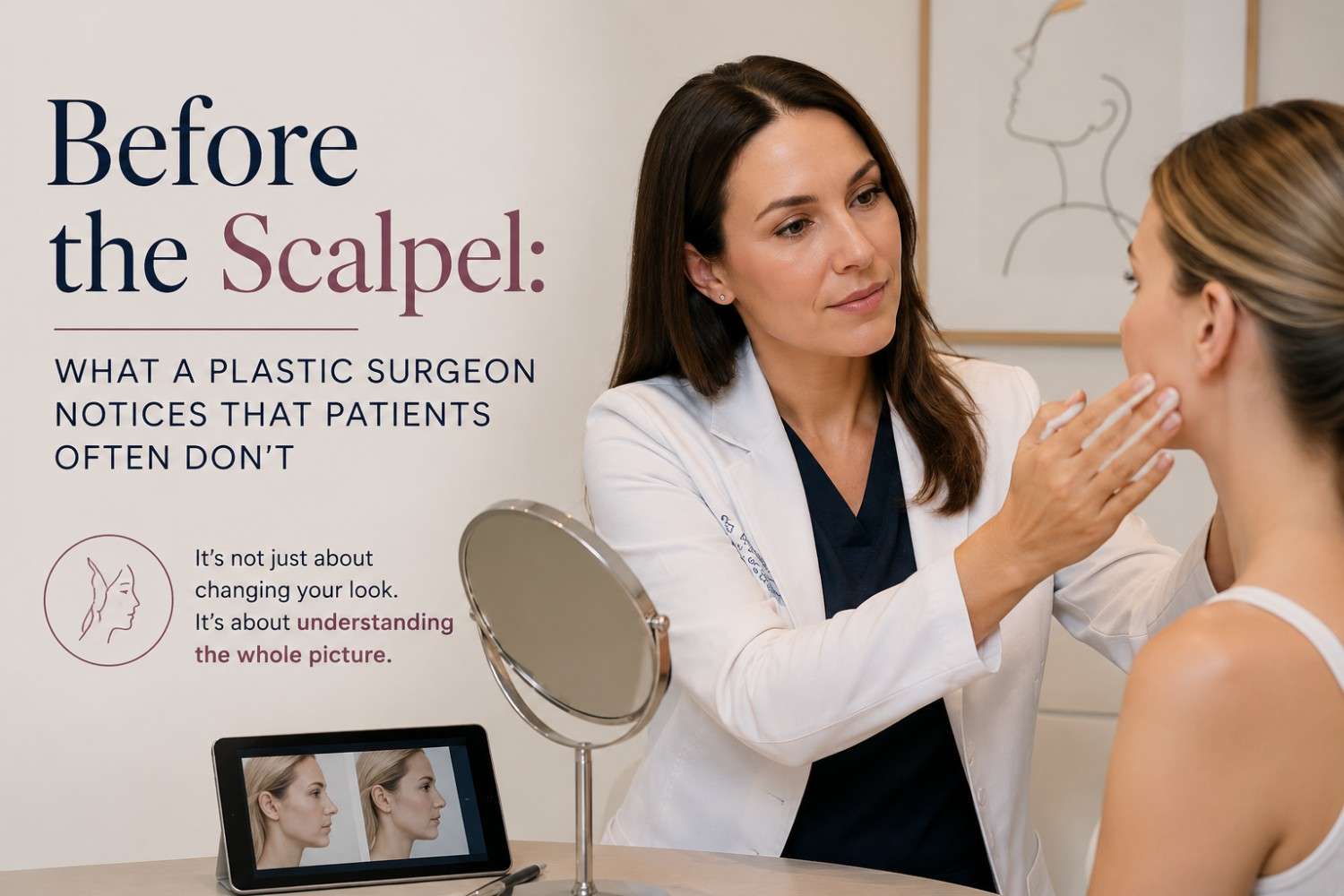
Ask prospective providers about board certification, volume of dimple procedures performed, how complications are managed, and specifics about dimple placement relative to facial muscle anatomy (zygomaticus major, buccal fat pad, dermis). Verify realistic expectations, request a written consent form that lists risks, and confirm follow-up plans.
FAQ: What are the alternatives to permanent dimple surgery?
Alternatives include injectable fillers, percutaneous suture techniques, and makeup contouring. Temporary procedures allow a reversible preview of results.
FAQ: How long do temporary vs permanent dimples last?
Temporary dimples last from weeks to about a year depending on method and product; surgical dimpleplasty aims for permanent results, though individual healing can alter appearance over time.
FAQ: What is dimpleplasty recovery time?
Dimpleplasty recovery time typically involves 3–10 days for most swelling to subside, with gradual softening over several weeks. Return to normal activities depends on provider advice and individual healing.
FAQ: How much does creating dimples cost?
Costs vary by region and provider. Temporary procedures are generally lower per session but may accumulate over time. Surgical dimpleplasty has a higher one-time cost that can be more economical long-term if no revisions are required.
FAQ: Are dimples reversible if permanent surgery is performed?
Reversal of surgical dimples is possible but may be more complex than avoiding permanence in the first place. Revision surgery can soften or remove the tether but may leave scar tissue; discussing contingency plans with the surgeon is essential before choosing permanent treatment.