Choosing and Caring for Hair Toppers for Women: A Practical, Evidence-Based Guide
-

- March 05th, 2026
- 1,527 views

FREE SEO Topical Map Generator: Find Your Next Content Ideas
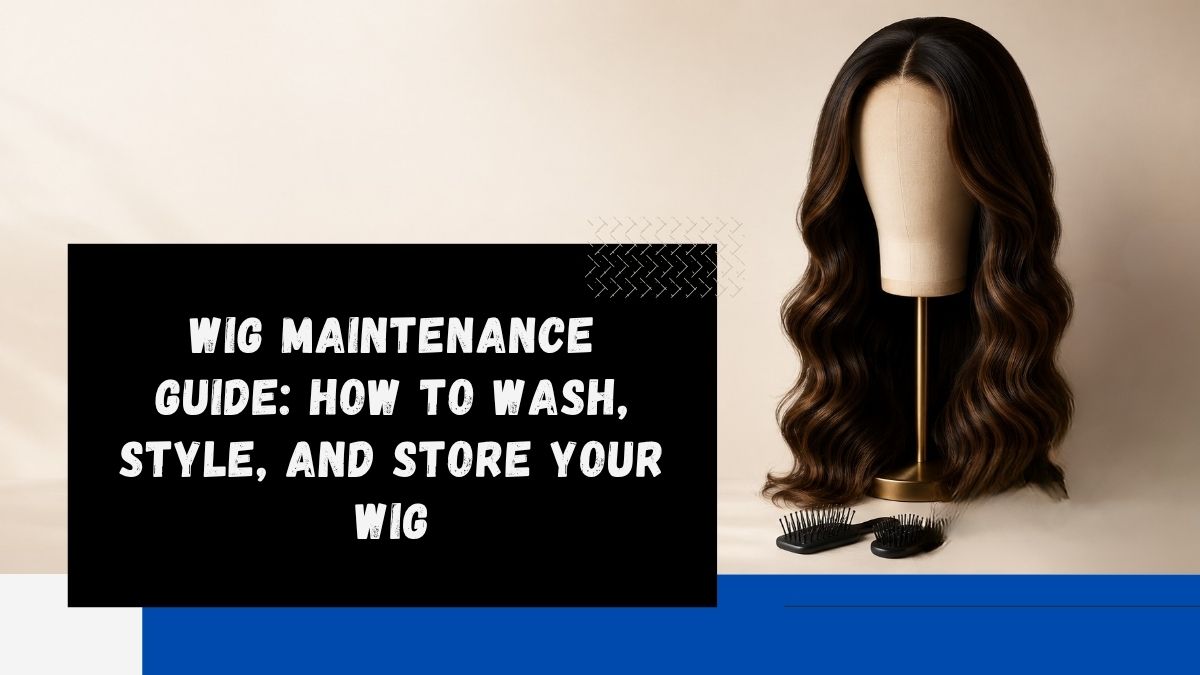
Hair toppers for women are hairpieces designed to add coverage and volume to the crown and top of the head where thinning often occurs. They provide a non-surgical, temporary solution that blends with natural hair and can help restore a fuller appearance while allowing daily styling and washing routines.
- Hair toppers are partial wigs that cover thinning at the top and crown.
- Options vary by base type (lace, monofilament, skin), material (human hair, synthetic), and attachment (clips, tape, integration).
- Proper color matching, base size, and professional fitting improve comfort and realism.
- Maintenance and careful styling extend lifespan; consult a hair professional or dermatologist for persistent hair loss concerns.
What Are Hair Toppers for Women?
Hair toppers are smaller than full wigs and are intended to cover specific areas of thinning hair—usually the crown or part line. They can be made with human hair or synthetic fiber and come on different base constructions that affect breathability, realism, and durability. Toppers differ from extensions by focusing on scalp coverage rather than adding length along the hair shaft.
Common Types and Base Constructions
Base types
- Monofilament: A fine mesh that gives the appearance of natural scalp and allows multi-directional parting.
- Lace: Thin, breathable lace that mimics the hairline and is lighter on the scalp.
- Skin (polyurethane): Offers the illusion of a scalp with defined parting; easier to attach with adhesives but less breathable.
Attachment methods
- Clip-in: Quick to attach and remove; suitable for temporary wear and those who prefer no adhesives.
- Tape or adhesive: Provides secure, longer wear; recommended for active days or longer-term use.
- Integration: Sewn or integrated into existing hair for a more permanent feel when performed by a trained stylist.
Materials: Human Hair vs Synthetic
Human hair toppers provide the most natural movement and can be heat-styled like natural hair, but require more maintenance and cost more. Synthetic toppers are more affordable, retain their style in humid conditions, and require less frequent styling, while recent high-quality synthetic fibers can closely mimic human hair texture.
How to Choose the Right Topper
Assess coverage needs
Measure the thinning area and consider how much scalp coverage is required. Small part-line thinning may need a narrower topper, while diffuse crown thinning calls for a wider base.
Color and texture matching
Match both base color and highlights for seamless blending. Many suppliers offer color rings or samples. Blending layers and subtle texturizing by a stylist can help hide any transition between the natural hair and the topper.
Comfort and breathability
Consider lifestyle: breathable lace or monofilament bases suit warmer climates and active wear, while skin bases can be better for a defined part but may feel warmer against the scalp.
Fitting, Attachment, and Styling Tips
Professional fitting
A trained hair technician or certified stylist can measure base size, recommend an attachment method, and customize the piece for a natural look. For persistent or unexplained hair thinning, consult a board-certified dermatologist or licensed clinician for evaluation; educational resources are available from the American Academy of Dermatology (American Academy of Dermatology).
Styling tips
- Cut and layer the topper to blend with existing hair length and shape.
- Use heat tools on human hair toppers and heat-safe synthetics according to manufacturer instructions.
- Secure clips firmly and test for comfort with different activities (e.g., exercise, sleep preparation).
Care and Maintenance
Cleaning and storage
Follow manufacturer cleaning instructions. Human hair toppers typically require mild shampooing and conditioning; synthetics require product formulation designed for fibers. Store on a stand or mannequin head to maintain shape and avoid tangling.
Products and longevity
Use sulfate-free shampoos and avoid heavy oils on base areas that contact the scalp. Replace adhesives as recommended and schedule periodic professional check-ups for sewn or integrated toppers. Lifespan varies: synthetic pieces may last months with daily wear, while human hair toppers can last a year or longer with careful care.
Where to Buy and Professional Resources
Purchase options include specialty salons, certified hair replacement clinics, and reputable online suppliers that provide size charts, return policies, and color samples. When choosing a provider, verify credentials of technicians and read reviews focusing on fit, customer service, and transparency about materials and construction.
Practical Considerations and Safety
Consider allergies to adhesives or materials and perform patch tests for tapes or glues when required. Follow scalp hygiene and avoid prolonged adhesive contact if irritation occurs. For medical questions related to hair loss causes, diagnosis, and treatment options, consult a licensed dermatologist or qualified clinician rather than relying solely on cosmetic solutions.
Frequently Asked Questions
Are hair toppers for women safe to wear daily?
Yes, many toppers are safe for daily wear when fitted and maintained properly. To minimize risk of irritation, rotate attachment methods when possible, keep the scalp clean, and replace adhesives or tapes as directed by the product manufacturer or stylist.
How long does a hair topper typically last?
Lifespan depends on material and usage: synthetic toppers often last several months with daily use; human hair toppers can last one year or more with careful care and occasional professional maintenance.
Can hair toppers be colored or heat-styled?
Human hair toppers can be colored and heat-styled similarly to natural hair, though professional coloring is recommended to avoid damage. Only heat-safe synthetics should be styled with heat tools, following manufacturer limits.
What is the difference between a wig and a topper?
A wig covers the entire scalp while a topper covers only a localized thinning area (often the crown or part line). Toppers allow natural hair to show and typically require less material and shorter fitting times.
How to find a reputable fitter or stylist for a topper?
Seek certified hair replacement specialists, cosmetologists with experience in hairpieces, or clinics that offer consultations and fittings. Ask for before-and-after examples, client references, and clear return or alteration policies.