Night Guard Splint Guide: Choosing the Best Option for Teeth Grinding
-
- Published Updated
- 1,494 views
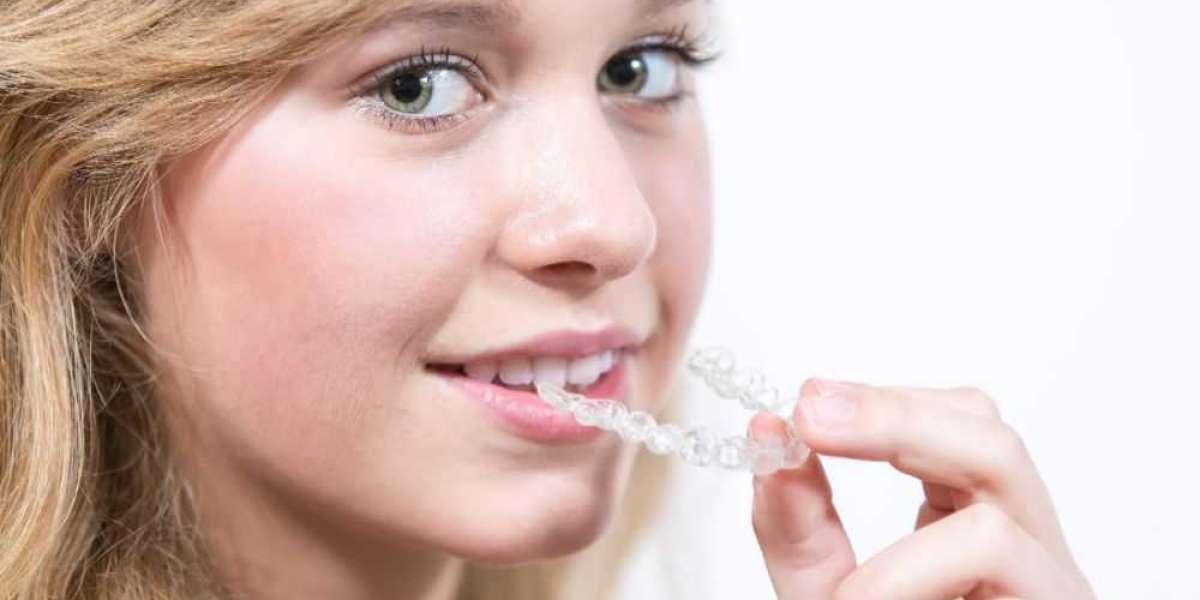
Many people consider a night guard splint to protect teeth from grinding (bruxism) and to reduce jaw strain during sleep. This article explains common splint types, how fit and materials affect comfort, what to expect from over-the-counter versus custom appliances, and practical care and lifespan considerations.
- A night guard splint is a removable dental appliance made to protect teeth and manage forces from grinding and clenching.
- Options include soft, hard acrylic, and dual-laminate splints, available OTC or custom-made by a dental laboratory from impressions or digital scans.
- Fit, material, and wear patterns determine comfort and effectiveness; a dental professional evaluates occlusion, TMJ signs, and appliance needs.
- Proper cleaning and routine checks extend lifespan; most splints last 1–5 years depending on wear and type.
Night guard splint: what it is and when it is used
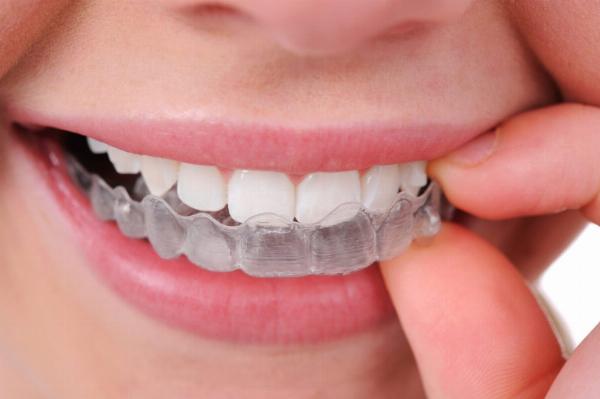
A night guard splint is a removable oral appliance that covers the biting surfaces of the teeth to reduce direct tooth-to-tooth contact. Dental professionals commonly recommend splints for people who grind or clench their teeth (bruxism), have signs of abnormal wear, or report jaw discomfort. The device can also help redistribute occlusal forces and, in some cases, reduce pressure on the temporomandibular joint (TMJ).
Types of splints and how they differ
Soft splints (thermoplastic)
Soft splints are typically made from pliable thermoplastic and are comfortable for many users. They can cushion teeth but tend to wear faster under heavy grinding and may be less effective at re-establishing stable occlusion in severe bruxism.
Hard acrylic splints
Hard acrylic splints are durable and provide a stable occlusal surface. They are often recommended when long-term protection or precise occlusal control is needed. Hard splints are more abrasion-resistant and easier to adjust by a dental professional.
Dual-laminate (hard-soft) splints
Dual-laminate splints combine a hard inner layer for stability with a softer outer layer for comfort. These may offer a balance between cushioning and durability for moderate bruxism.
How a dental professional evaluates need and fit
An initial assessment typically includes an oral exam, evaluation of tooth wear, a review of jaw movement and comfort, and possible imaging to check joint health. A dental professional may take impressions or use digital scanning to create a custom splint that matches the occlusion and bite. The appliance is then adjusted so the occlusal surfaces meet evenly and the bite remains comfortable.
Over-the-counter versus custom night guard splints
Over-the-counter (OTC) options
OTC mouthguards include stock and boil-and-bite products. They can be lower cost and available without a dental visit, but fit and long-term effectiveness vary. OTC devices may be suitable for mild, occasional grinding but often lack the precise occlusal relationships that custom appliances provide.
Custom-made splints
Custom splints are fabricated by dental laboratories from impressions or digital scans and are adjusted chairside for optimal fit. These provide better retention, comfort, and control of dental contacts. For moderate to severe bruxism or TMJ-related issues, a custom appliance is usually preferred in clinical practice.
Materials, comfort, and common wear patterns
Material choice affects thickness, wear resistance, and comfort. Hard acrylic resists chewing forces but can feel bulkier; soft materials adapt to tooth contours but flatten over time. Wear typically appears on the occlusal surfaces; regular evaluation ensures that a splint continues to protect teeth rather than transferring excessive force to other structures.
Care, cleaning, and lifespan
Daily cleaning
Rinse the splint after use and clean gently with a toothbrush and nonabrasive soap or a manufacturer-recommended cleaner. Avoid hot water that can deform thermoplastic materials. Periodic soaking in an antimicrobial solution can reduce buildup of bacteria and odors.
Monitoring and replacement
Lifespan varies: soft OTC guards may need replacement in months, while well-maintained custom acrylic splints can last several years. Signs that a splint needs replacement include visible thinning, cracks, persistent odor, or new discomfort. A dental professional can evaluate wear patterns and recommend replacement or adjustment.
Cost, insurance, and regulatory considerations
Costs range widely depending on whether an appliance is OTC or custom-made, the laboratory process, and follow-up adjustments. Some dental insurance plans provide partial coverage for custom splints when the device addresses a clinically documented condition. Local dental boards and professional associations offer guidance about appliance manufacturing standards and safety.
Where to find reliable information
Professional organizations publish patient-facing guidance on bruxism and oral appliances. For evidence-based consumer information, see the American Dental Association resource on bruxism and protective appliances: https://www.ada.org. Additional clinical studies and guidelines are available through dental schools and peer-reviewed journals.
Choosing the right option for personal needs
Deciding among OTC and custom night guard splint options depends on severity of grinding, occlusal relationships, comfort preferences, and budget. Consider the following factors when evaluating choices:
- Severity and frequency of bruxism signs
- Existing dental restorations or orthodontic appliances
- Comfort, speech, and ability to tolerate thickness
- Durability needs and follow-up adjustment availability
Frequently asked questions
How long does a night guard splint last?
Lifespan depends on material and wear: soft OTC guards may wear out within months, while durable custom acrylic splints can last one to five years or longer with proper care and periodic adjustments.
Can a night guard splint change the bite?
Properly fitted custom splints are designed to maintain occlusion. Poorly fitted or highly worn splints may alter contact patterns over time, which is why periodic assessment by a dental professional is valuable.
Is an OTC guard as effective as a custom splint?
OTC guards can reduce tooth-to-tooth contact for mild cases, but custom splints offer superior fit, retention, and occlusal control, making them more appropriate for moderate to severe bruxism or when protecting dental restorations.
How should a splint be cleaned and stored?
Rinse after use, brush gently with a soft brush and mild soap, avoid hot water, and store in a ventilated case. Periodic antimicrobial soaks may help, following product instructions.
When is professional evaluation recommended?
A dental professional assessment is recommended when there is ongoing tooth wear, jaw pain, frequent headaches, or when a splint needs adjustment or replacement. A clinician can document occlusal findings and advise on the most appropriate appliance type.