Dental Implants in Dubai: Complete Guide to Costs, Procedure, and Aftercare
-
- March 13th, 2026
- 519 views

FREE SEO Topical Map Generator: Find Your Next Content Ideas
Dental implants Dubai are a long-term solution for missing teeth, commonly chosen for durability, function, and natural appearance. This guide explains what implants are, the typical process in the UAE, realistic costs, and how to evaluate clinics so residents can make informed decisions.
What this guide covers: definition and types of dental implants, the EVALUATE-PLAN-PLACE-RESTORE (E-P-P-R) framework for decisions, expected costs and timelines, aftercare checklist, common mistakes, and a real-world scenario for context.
Detected intent: Informational
Dental implants Dubai: what to expect
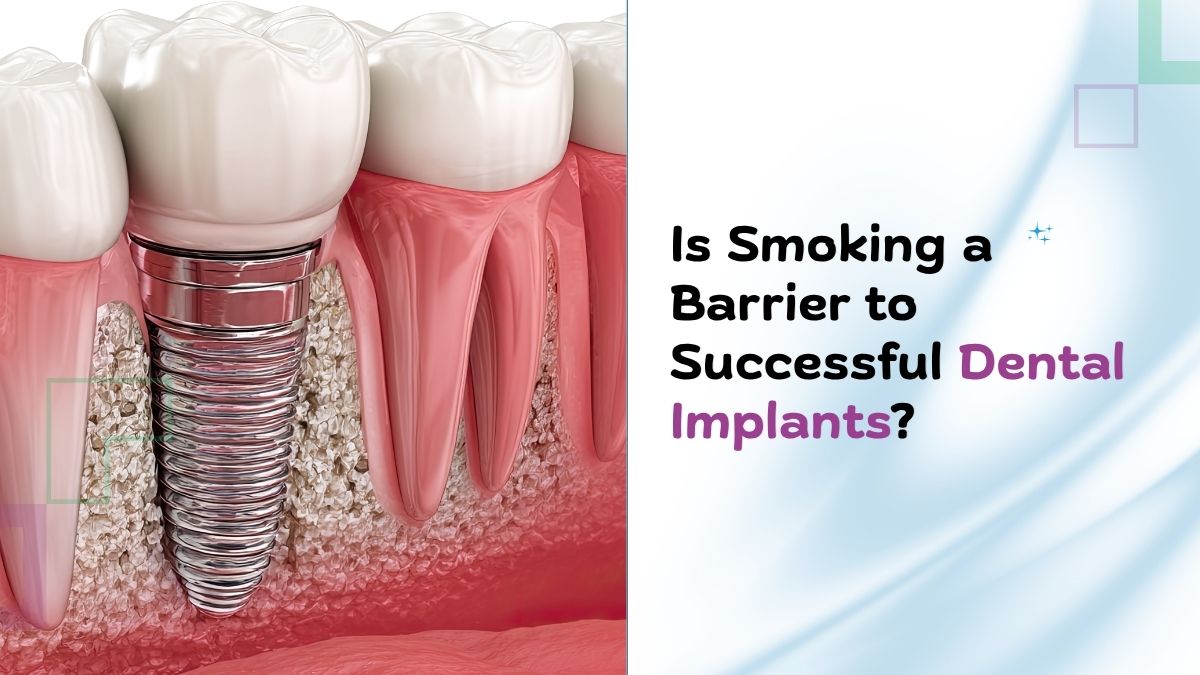
Dental implants are titanium or ceramic fixtures surgically placed into the jawbone to replace missing tooth roots and support crowns, bridges, or dentures. In Dubai, clinics use similar clinical standards as international dental centers: diagnosis with cone-beam CT (CBCT), digital planning, surgical placement, and prosthetic restoration. Key terms to know include osseointegration (bone bonding to the implant), abutment (connector), fixture (implant body), and prosthesis (crown or denture).
How dental implants work and common types
Implants function by integrating with bone (osseointegration) to provide stable support for a prosthetic tooth. Common types include:
- Single-tooth implants — one implant and one crown.
- Implant-supported bridges — multiple implants replacing several adjacent teeth.
- All-on-4/All-on-6 — full-arch solutions using 4–6 implants to support a fixed prosthesis.
- Zygomatic implants — for severe upper jaw bone loss, anchored in cheekbone (specialist procedure).
Typical timeline and the dental implant process
Dental implant procedures UAE follow predictable stages: consultation and imaging, treatment planning, surgical placement, healing (osseointegration), and prosthetic restoration. A typical single-tooth case timeline:
- Consultation and CBCT scan: Day 0.
- Surgical placement of implant: Day 7–30 (depends on booking).
- Healing and osseointegration: 8–16 weeks (may be longer with bone grafts).
- Abutment placement and crown fitting: after integration, often 2–4 weeks for lab work.
Factors that affect timing
Bone quality, need for bone grafting or sinus lift, systemic health (e.g., diabetes control), and whether immediate loading is possible all alter the timeline.
Cost of dental implants in Dubai: what influences price
Expect wide variability. The cost of dental implants in Dubai is driven by clinic location and reputation, type and number of implants, materials used (titanium vs zirconia), digital planning, need for grafting or sinus lift, and the specialist involved (oral surgeon vs general dentist). Full-mouth reconstructions or All-on-4 treatments cost substantially more than single implants. Transparent clinics will provide a breakdown: implant fixture, abutment, crown, imaging, and any preparatory work.
EVALUATE-PLAN-PLACE-RESTORE (E-P-P-R) framework for choosing implant care
This four-step framework simplifies decision-making:
- Evaluate — Clinical exam, CBCT imaging, medical history review, and retrieval of past dental records.
- Plan — Digital treatment planning, prosthetic design, and a clear cost/time estimate including contingencies.
- Place — Surgical placement by a qualified clinician with sterile protocols, pain control, and post-op instructions.
- Restore — Prosthetic phase with properly fitted abutment and crown/denture and a maintenance plan for long-term success.
Real-world example: single-tooth implant for a Dubai resident
A 45-year-old Dubai resident lost a lower molar to decay. After CBCT confirmed sufficient bone, the clinician recommended a single-titanium implant. The plan included immediate placement, 12 weeks of healing, and a zirconia crown. Total time to final crown: 14 weeks. The patient followed an oral hygiene protocol and 6-month check-ups were scheduled. Outcome: stable function and restored chewing ability.
Practical tips for Dubai residents
- Obtain CBCT imaging and a written treatment plan with cost breakdown before committing.
- Ask about the clinician’s implant-specific training and number of similar cases performed.
- Request details on implant brand, material (titanium vs zirconia), and warranty or maintenance policy.
- Confirm follow-up routines — appointments for suture removal, occlusion checks, and periodic maintenance.
- If bone grafting is needed, budget extra time and costs; grafts increase success but extend treatment.
Common mistakes and trade-offs when choosing implants
Common mistakes often arise from prioritizing price alone or skipping proper imaging. Trade-offs to consider:
- Lower upfront cost vs higher long-term risk: cheaper fixtures or inexperienced providers may save money initially but increase failure risk.
- Immediate loading vs delayed restoration: immediate crowns are convenient but are not suitable when primary stability or bone quality is poor.
- Single-visit impressions vs digital planning: expedited workflows are attractive but comprehensive digital planning often yields better prosthetic outcomes.
Aftercare, maintenance, and long-term success
Aftercare is essential for implant longevity. Follow these points:
- Maintain excellent oral hygiene — brushing twice daily with a soft brush and interdental cleaning around implants.
- Attend professional cleanings every 3–6 months initially, then as advised by the clinician.
- Avoid smoking, which significantly raises the risk of implant failure.
- Report any mobility, pain, or unusual swelling immediately.
Practical troubleshooting tips
- If swelling or pain increases after 48–72 hours, contact the clinic — this can indicate infection.
- Use cold packs and soft foods in the first 48 hours to minimize discomfort after surgery.
- Follow any prescribed antibiotics or antiseptic mouthwash schedules exactly as directed.
How to verify clinic quality and credentials
Look for clinics that use CBCT imaging, provide digital treatment plans, and list clinician credentials (implant fellowships, membership in recognized dental societies, or postgraduate training). International standards and clinical best practice resources can be reviewed through national health organizations. For general best-practice information on dental implants and patient guidance, see the NHS resource on dental implants (NHS guidance).
Core cluster questions (for internal linking or related articles)
- How much do dental implants cost in Dubai?
- What is the timeline for a single-tooth implant in the UAE?
- When is bone grafting required for dental implants?
- What are the differences between titanium and zirconia implants?
- How to choose between an oral surgeon and a prosthodontist for implants?
When implants are not the right choice
Implants may be unsuitable for patients with uncontrolled systemic conditions, severe bruxism without a protective plan, or insufficient bone when grafting is not an option. Alternatives include fixed bridges, removable partial dentures, or adhesive bridges, each with its own pros and cons.
Summary checklist before booking treatment
- Confirm CBCT imaging and a written treatment plan.
- Get a clear cost breakdown including grafting, abutment, crown, and follow-up visits.
- Verify clinician credentials and see before/after case photos of similar cases.
- Understand the expected timeline and any contingency plans.
- Ask for post-op instructions and maintenance schedule in writing.
FAQ: Are dental implants Dubai worth the cost?
Long-term value depends on individual goals: implants often provide the best solution for function, bone preservation, and aesthetics when compared with removable options, but require appropriate planning and maintenance. Upfront costs can be higher, but many patients find implants more cost-effective over time because of durability.
FAQ: How much do dental implants cost in Dubai?
Prices vary widely. A single implant with crown may cost significantly more than in some other markets due to clinic overheads and materials. Request an itemized estimate and compare like-for-like services (brand, imaging, grafts). Financing and payment plans are commonly available through clinics.
FAQ: What are the risks and how common are complications?
Complications are uncommon with proper planning but include infection, implant mobility/failure, nerve irritation, and sinus issues in the upper jaw. Risk reduction comes from appropriate imaging, surgical technique, and strict maintenance routines.
FAQ: How long do dental implants last?
With good oral hygiene, regular professional maintenance, and healthy bone support, implants can last decades. Crowns or prosthetic teeth may need replacement after 10–15 years due to wear.
FAQ: Can implants fail and what happens then?
Implant failure can occur, particularly early before osseointegration or later due to peri-implantitis. Early detection allows treatment options such as cleaning, antibiotic therapy, or revision surgery. A clear treatment plan and follow-up schedule reduce long-term failure risk.
For Dubai residents considering implants, the most practical next step is a clinic visit that includes CBCT imaging and a clear written plan tied to the E-P-P-R framework above. Proper planning and realistic expectations are the strongest predictors of a successful outcome.