Is Smoking a Barrier to Successful Dental Implants?
-

- Published Updated
- 7,543 views
Dental implants are considered one of the most reliable and long-lasting solutions for missing teeth. But if you smoke, you may wonder: can smokers get dental implants successfully? The short answer is yes — but smoking can increase the risks and affect healing, implant stability, and long-term success.
Many people searching for dental implants for smokers are concerned about implant failure, pain, gum healing, or whether they need to quit smoking completely before surgery. Understanding how smoking affects oral tissues can help you make informed decisions and improve your chances of successful treatment.
Can Smokers Get Dental Implants?
Yes, smokers can get dental implants. However, dentists usually classify smokers as a higher-risk group because tobacco and nicotine can interfere with the body’s natural healing process.
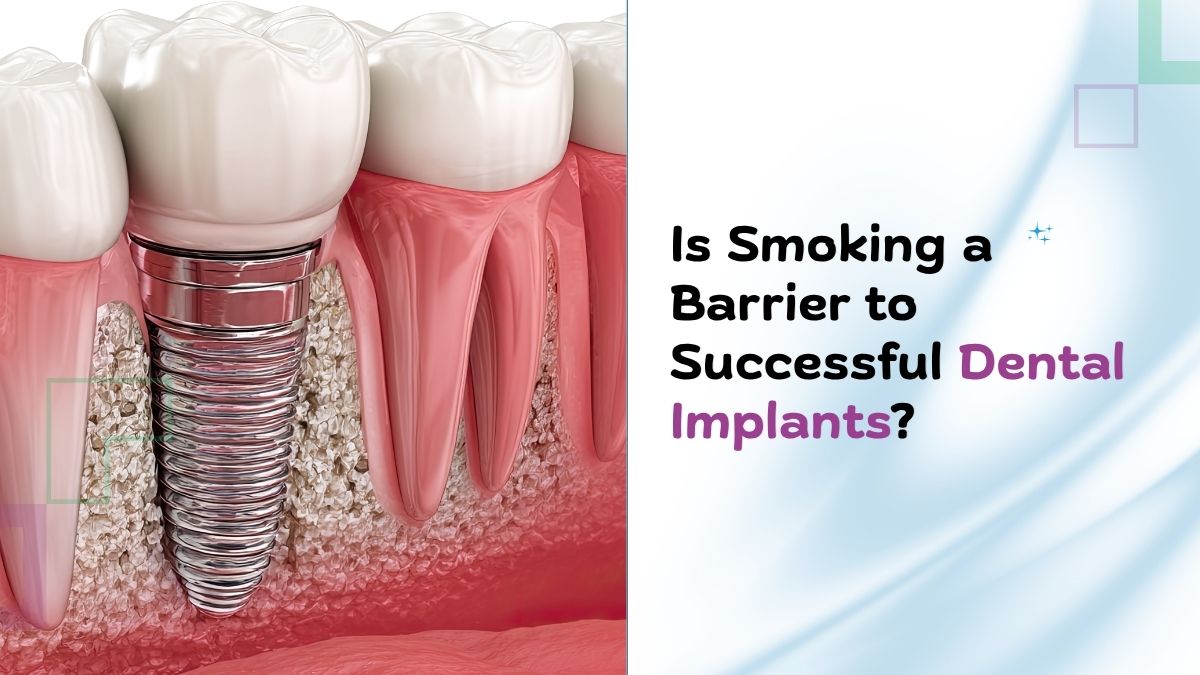
The success of dental implants depends on a process called osseointegration, where the implant fuses with the jawbone. Smoking reduces blood circulation and oxygen supply to oral tissues, making it harder for the implant to heal properly.
This does not mean implants are impossible for smokers. It means extra precautions, planning, and aftercare are often needed.
How Smoking Affects Dental Implants
If you are asking, “How smoking affects dental implants?”, the answer involves several biological factors:
1. Reduced Blood Flow
Nicotine causes blood vessels to narrow, reducing circulation to the gums and bone. This slows down healing after implant surgery.
2. Higher Infection Risk
Smoking increases bacterial growth in the mouth and weakens the immune response, which raises the chance of gum infections around implants.
3. Delayed Bone Healing
For successful implants, healthy bone is essential. Tobacco use can reduce bone density and slow bone regeneration.
4. Increased Implant Failure Risk
Research shows that smokers generally have a lower dental implant success rate in smokers compared to non-smokers.
5. Gum Tissue Damage
Smoking can irritate gum tissues and delay gum healing after surgery, especially during the critical first few weeks.
Dental Implant Success Rate in Smokers
One of the most common questions patients ask is:
“Are dental implants safe for smokers?”
Dental implants can still be successful in smokers, but statistics show smokers may experience:
- More healing complications
- Increased gum inflammation
- Greater risk of peri-implantitis
- Higher chances of implant loosening or failure
The risk becomes even higher in:
- Heavy smokers
- Long-term tobacco users
- Patients with poor oral hygiene
- Individuals with diabetes or gum disease
Still, many smokers maintain healthy dental implants for years when proper precautions are followed.
Risks of Smoking After Dental Implants
The period immediately after surgery is the most critical.
Smoking After Dental Implant Surgery Can Cause:
- Excessive bleeding
- Dry socket-like discomfort
- Poor gum attachment
- Delayed tissue repair
- Bone loss around the implant
- Implant instability
The risks of smoking after dental implants are especially high within the first 72 hours after surgery.
Dentists often recommend avoiding smoking for at least:
- 1–2 weeks before surgery
- 2–8 weeks after implant placement
Longer smoke-free periods generally improve healing outcomes.
Nicotine Effects on Dental Implants
The harmful effects are not limited to cigarettes alone.
Nicotine from:
- Cigarettes
- Vapes
- Tobacco chewing products
- Nicotine pouches
can all negatively affect healing.
Nicotine Effects on Dental Implants Include:
- Reduced collagen production
- Slower tissue regeneration
- Weaker immune response
- Reduced bone integration
Even vaping may still expose tissues to nicotine and chemicals that interfere with healing.
Dental Implant Healing for Smokers
Healing time can vary depending on:
- Smoking frequency
- Oral hygiene habits
- Bone quality
- Overall health
Gum Healing After Dental Implants in Smokers
Smokers often experience:
- Longer recovery periods
- Increased swelling
- Gum irritation
- Tenderness around the implant area
Because of this, dentists may schedule additional follow-up appointments for smokers to monitor recovery carefully.
Smoking and Bone Graft Success
Some implant patients require bone grafting before implant placement. Smoking can significantly affect graft success.
Smoking and Bone Graft Success
Tobacco use may:
- Reduce blood supply to the graft
- Slow bone regeneration
- Increase graft failure risk
For patients needing extensive reconstruction, quitting smoking temporarily can greatly improve outcomes.
Best Dental Implant Options for Smokers
Dentists may recommend specific strategies for smokers to improve implant success.
Best Dental Implant Options for Smokers
These may include:
- High-quality titanium implants
- Guided implant placement
- Immediate hygiene maintenance plans
- Additional bone support procedures
- Regular periodontal monitoring
In some cases, implant treatment may be staged more carefully to allow better healing.
How to Improve Dental Implant Success for Smokers
If quitting permanently feels difficult, reducing tobacco use before and after surgery can still help.
Dental Implant Recovery Tips for Smokers
Here are practical ways to improve healing:
Stop Smoking Temporarily
Even short-term smoking cessation before dental implant surgery can improve blood circulation and healing.
Maintain Excellent Oral Hygiene
Brush and floss consistently to reduce bacterial buildup.
Follow Post-Surgery Instructions Carefully
Avoid hot foods, alcohol, and smoking during early recovery.
Attend Follow-Up Visits
Regular monitoring helps detect complications early.
Stay Hydrated and Eat Nutritious Foods
Protein, vitamins, and hydration support tissue repair.
Before and After: Implant Healing Results in Smokers vs Non-Smokers
Case Study Insight
A common clinical observation shows noticeable differences between smokers and non-smokers after implant surgery.
Non-Smoker Recovery
- Faster gum healing
- Better implant stability
- Lower inflammation
- Stronger bone integration
Smoker Recovery
- Delayed healing
- Increased swelling
- Greater plaque accumulation
- Higher risk of implant complications
However, smokers who temporarily stopped smoking during recovery often showed significantly better healing compared to continuous smokers.
This highlights how lifestyle adjustments can directly influence implant success.
What Clinical Research Says About Smoking and Dental Implants
Clinical studies consistently show a connection between smoking and increased implant complications.
Research Findings Commonly Show:
- Smokers have higher implant failure rates than non-smokers
- Heavy smoking increases risks further
- Bone loss around implants is more common in smokers
- Smoking cessation improves healing outcomes significantly
At the same time, research also indicates that many smokers still achieve successful long-term implant function with proper treatment planning and maintenance.
Final Thoughts
Smoking is not necessarily a complete barrier to successful dental implants, but it does increase the risks. Understanding the connection between smoking and dental implants allows patients to take preventive steps that improve healing and long-term success.
If you are considering dental implants for smokers, the most important step is honest communication with your dentist about your smoking habits. With proper planning, improved oral care, and reduced tobacco use, many smokers can still achieve stable and functional dental implants for years to come.