Chrome Hearts Meaning: History, Symbols, and Cultural Significance
-
- Published Updated
- 2,306 views
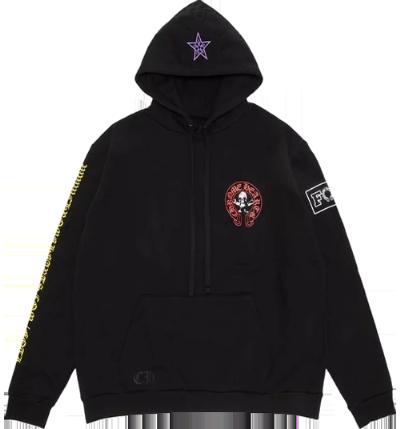
The question what does chrome hearts mean surfaces often among fashion enthusiasts and cultural observers. The phrase "Chrome Hearts" refers primarily to a Los Angeles–based luxury brand known for silver jewelry, leather goods, and a distinctive Gothic-inspired aesthetic that blends handmade metalwork with streetwear and high-fashion influences.
- Chrome Hearts is a luxury fashion and lifestyle brand founded in Los Angeles in 1988, recognized for silver jewelry and leatherwork.
- Visual motifs include Gothic crosses, fleur-de-lis, daggers, and a stylized CH motif; the look mixes punk, biker, and couture elements.
- Production emphasizes artisanal silverwork and limited distribution, contributing to high prices and a collector market.
- Chrome Hearts holds trademark protections and is part of broader conversations about luxury, authenticity, and celebrity influence.
What does Chrome Hearts mean: name and symbolism
The brand name itself combines two words with strong visual and cultural connotations. "Chrome" evokes metalworking, shiny finishes, and a rugged industrial or motorcycle sensibility. "Hearts" introduces a contrast—a romantic or emblematic symbol often associated with loyalty, passion, or identity. Together, the name suggests an intersection of toughness and sentimentality, which is reflected in the brand’s use of heavy silver, leather, and detailed motifs like hearts, crosses, and fleur-de-lis.
History and origins
Founding and early work
Chrome Hearts was founded in 1988 in Los Angeles by a craftsman who began making leather motorcycle garments and custom silver accessories. Early work was functional and bespoke, serving motorcycle culture and clients seeking durable, hand-finished pieces. Over time, the product range expanded into jewelry, ready-to-wear, eyewear, and home goods.
Growth and reputation
Growth came through a combination of artisanal craftsmanship, limited production, and visibility among musicians, actors, and subcultural style leaders. The brand developed a reputation for high-quality silverwork and distinctive ornamentation that set it apart from mass-market jewelry and accessories.
Design motifs and materials
Chrome Hearts is associated with a set of recurring visual elements: Gothic crosses, dagger shapes, fleur-de-lis, stylized hearts, and the CH monogram. Materials commonly used include sterling silver, leather, and high-grade metals and stones in select pieces. The aesthetic draws from biker, punk, and medieval references, often finished with hand-engraving or oxidization to emphasize texture.
Craftsmanship, production, and authenticity
Artisanal metalworking and hand-finishing are central to the brand’s identity. This emphasis on craftsmanship contributes to higher retail prices and a collector culture in the resale market. Because of limited runs and in-house production practices, authentic pieces often carry hallmarks or stamps indicating origin; these physical cues are part of how the market and specialist retailers assess provenance.
Brand identity, cultural influence, and market position
Chrome Hearts occupies a space at the crossroads of luxury and streetwear. It is cited frequently in discussions about celebrity influence, niche luxury markets, and the growing emphasis on artisanal provenance in fashion. The brand’s exclusivity and visible motifs have made it a status symbol within certain cultural circles, while collaborations and bespoke commissions expand its visibility beyond a single category.
Legal status and trademarks
As a commercial entity with recognizable logos and motifs, the brand name and visual marks are protected through trademark registrations in various jurisdictions. Trademarks and related intellectual property play a role in how designs are licensed, reproduced, and protected against counterfeits. For information on trademark registration processes and official status of marks, consult the United States Patent and Trademark Office: United States Patent and Trademark Office.
How people interpret the brand
Interpretations vary by audience. For some, Chrome Hearts signals handcrafted quality, rarity, and a particular aesthetic that blends toughness with ornamentation. For others, it represents a collectible subculture of fashion where provenance and celebrity association drive desirability. The brand’s symbolism functions on both visual and cultural levels: motifs communicate a specific stylistic lineage (biker, Gothic, punk), while the brand’s market position communicates exclusivity.
Conclusion
In short, what does chrome hearts mean as a phrase and as a cultural signifier? It names a brand whose identity is built on metalworking, Gothic-inspired motifs, artisanal production, and a place between luxury and street culture. The meaning is both literal—references to chrome-like metalwork and heart imagery—and social, reflecting how objects become markers of style, status, and cultural affiliation.
What does Chrome Hearts mean?
As a brand name, it combines metalworking imagery ("chrome") with emblematic symbolism ("hearts"). Culturally, it denotes a luxury fashion label known for silver jewelry, leather goods, and Gothic-influenced motifs that have become signifiers within certain fashion and celebrity circles.
Is Chrome Hearts luxury or streetwear?
Chrome Hearts is often described as occupying a hybrid position: its handcrafted materials and high price points align with luxury, while its aesthetic roots in biker and punk subcultures connect it to streetwear and alternative fashion movements.
Are Chrome Hearts pieces handmade?
Many pieces emphasize hand-finishing and artisanal metalwork. The brand has highlighted in-house craftsmanship as part of its identity, which affects production scale, pricing, and collector interest.
How does the brand protect its designs?
The brand uses trademark protection and other intellectual property measures to manage its logos, monograms, and distinctive design elements. Official resources on trademarks and registration processes are available from regulatory bodies such as the United States Patent and Trademark Office.