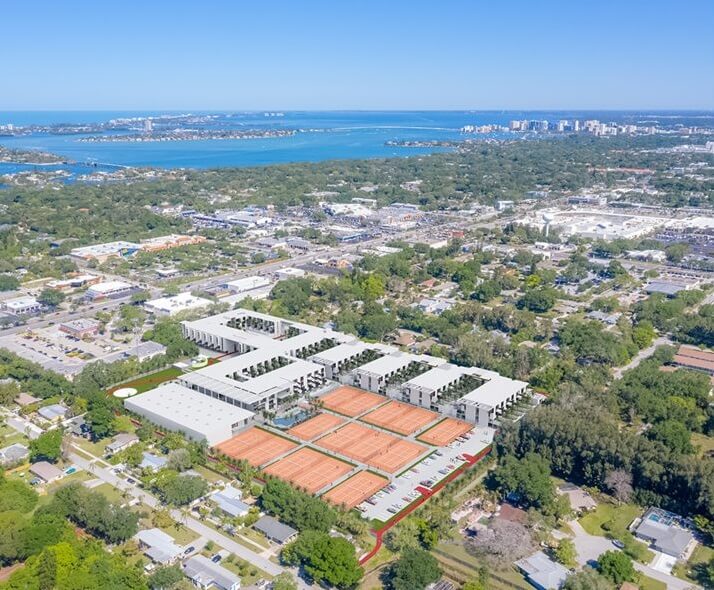
Coastal Calm: Buying and Living in a Sea-Facing House in Goa
-

- February 23rd, 2026
- 1,846 views

FREE SEO Topical Map Generator: Find Your Next Content Ideas
Coastal Calm: Buying and Living in a Sea-Facing House in Goa
A sea-facing house in Goa offers immediate ocean views, coastal breezes, and a lifestyle closely linked to beaches and maritime culture. Homes that face the Arabian Sea are sought for scenic outlooks, proximity to tourism and recreation, and distinctive climate conditions. Understanding the environmental, regulatory, and practical aspects of coastal living helps set realistic expectations for ownership and long-term care.
- Sea-facing houses in Goa provide strong coastal views and lifestyle benefits but come with specific maintenance needs and regulatory constraints.
- Coastal Regulation Zone (CRZ) rules, local town planning norms, and environmental factors affect development and permitted uses.
- Consider climate resilience, erosion risk, maintenance costs, access to utilities, and local property records when evaluating a purchase.
Benefits of a sea-facing house in Goa
Owning a sea-facing house in Goa brings several appealing features beyond visual aesthetics. Advantages commonly cited by residents and observers include uninterrupted water views, enhanced natural ventilation from coastal breezes, easy beach access, and a unique connection to local culture and tourism-driven amenities. For people drawn to coastal living, a sea-facing property often becomes a focal point for leisure and community interaction.
Environmental and climatic considerations
Monsoon and weather patterns
Goa experiences a tropical monsoon climate. Heavy rainfall during the southwest monsoon can affect coastal properties through increased humidity, water ingress risk, and salt-driven corrosion. The Indian Meteorological Department provides seasonal forecasts that are useful for planning maintenance cycles and understanding local weather risks.
Coastal erosion and sea-level rise
Beach morphology can change over time. Shoreline erosion, storm surges, and long-term sea-level rise are factors to review, particularly for low-lying plots. Local studies and coastal management plans from state agencies and national bodies can provide data on erosion-prone stretches.
Regulations, permits, and official sources
Coastal properties in India are subject to Coastal Regulation Zone (CRZ) rules and state-level planning regulations. The Ministry of Environment, Forest and Climate Change provides the national CRZ framework and technical guidelines that influence construction and activity near the shoreline. Official guidance and notifications about coastal regulation are available from the Ministry's web resources for reference: Ministry of Environment, Forest and Climate Change – CRZ. Additionally, local agencies such as the Directorate of Town and Country Planning, the Revenue Department of Goa, and municipal councils hold records and bylaws affecting development permissions.
Title, land classification, and encumbrances
Land classification (patta, survey number, panchayat land, private holdings) and existing encumbrances influence what can be built and who can transfer title. Local land records and the sub-registrar's office maintain documentation on deeds, mortgages, and other liens. For any proposed change in land use or construction near the coast, statutory clearances consistent with CRZ and local planning norms are required.
Practical considerations for owners and occupants
Maintenance and construction materials
Salt-laden air accelerates corrosion of metal and degradation of certain finishes. Durable materials, protective coatings, stainless steel or corrosion-resistant fasteners, and routine upkeep of exterior paint and waterproofing systems reduce deterioration. Roofs, windows, and drainage should be inspected regularly, especially after monsoon seasons.
Utilities, access, and infrastructure
Reliable access to water, power, and sewage differs across coastal zones and settlements. Some localities have well-developed infrastructure tied to tourism; others are more rural with limited services. Assess road access, parking, and proximity to essential services such as healthcare, markets, and emergency response facilities.
Insurance and risk management
Insurance availability and premiums for coastal properties may reflect exposure to weather events and flooding. Standard homeowner policies can vary in scope; information from insurance regulators and providers clarifies typical coverages for coastal risks. It is common for coastal properties to require specific clauses or separate coverage for certain perils.
Community, culture, and local economy
Tourism and seasonal dynamics
Goa's tourism calendar influences occupancy, noise levels, and local services. Some sea-facing houses are used as holiday rentals or second homes, which affects neighbors, management needs, and local regulations pertaining to short-term letting. Community norms and panchayat regulations often guide acceptable uses and hours of operation.
Conservation and wildlife considerations
Coastal habitats can host sensitive ecosystems, nesting grounds, and flora that are protected under environmental law. Development close to beaches may be subject to additional controls to protect biodiversity and coastal ecology.
Checklist for prospective buyers
- Verify land title and the chain of ownership through the local sub-registrar and revenue office.
- Confirm CRZ classification for the plot and any development restrictions with the Directorate of Town and Country Planning and relevant municipal authorities.
- Assess flood and erosion history for the specific shoreline and consult government coastal management data.
- Inspect building materials, drainage, and corrosion protection measures; factor ongoing maintenance into cost expectations.
- Review local infrastructure, access, and emergency services in both peak tourist season and off-season months.
Long-term stewardship and sustainability
Long-term enjoyment of a sea-facing property depends on ongoing stewardship: ecosystem-sensitive landscaping, resilient construction, and adherence to coastal protection norms. Participating in community-level initiatives on beach cleanliness, erosion control, and responsible tourism supports both property value and local environmental health.
Costs and market context
Price dynamics for coastal properties reflect location, view quality, build quality, and regulatory constraints. Maintenance costs and insurance are recurring financial factors. Local real estate registries and government land record portals provide transaction histories that can inform market context without serving as financial advice.
Frequently asked questions
Is a sea-facing house in Goa a good investment?
Investment appeal depends on many variables: exact location, regulatory status under CRZ and local planning, maintenance obligations due to the coastal environment, and market demand for rentals or resale. Historical transaction records and local planning documents can help build a factual picture of market behavior.
What permits are commonly required for coastal construction in Goa?
Permits often involve clearances related to CRZ classification, local municipal approvals, and any state-level environmental or development permissions. Specific requirements vary by site and proposed activity.
How does the monsoon affect sea-facing houses in Goa?
Monsoon months bring heavy rainfall, higher humidity, and stronger winds, which can accelerate wear on exteriors and increase the risk of water ingress. Routine seasonal inspections and robust waterproofing protocols reduce long-term damage.
Where can official information about coastal rules be found?
National-level CRZ guidelines and notifications are published by the Ministry of Environment, Forest and Climate Change, and local town planning authorities maintain region-specific rules and maps used to determine permissible activities near the shoreline.
Are there conservation concerns for coastal properties?
Yes. Coastal habitats and protected species may impose additional constraints on development and land use. Local environmental statutes and community conservation programs may apply to certain stretches of coastline.