Avoid These 12 Common Mistakes When Hiring a Booth Builder in Munich
-

- March 16th, 2026
- 392 views

FREE SEO Topical Map Generator: Find Your Next Content Ideas
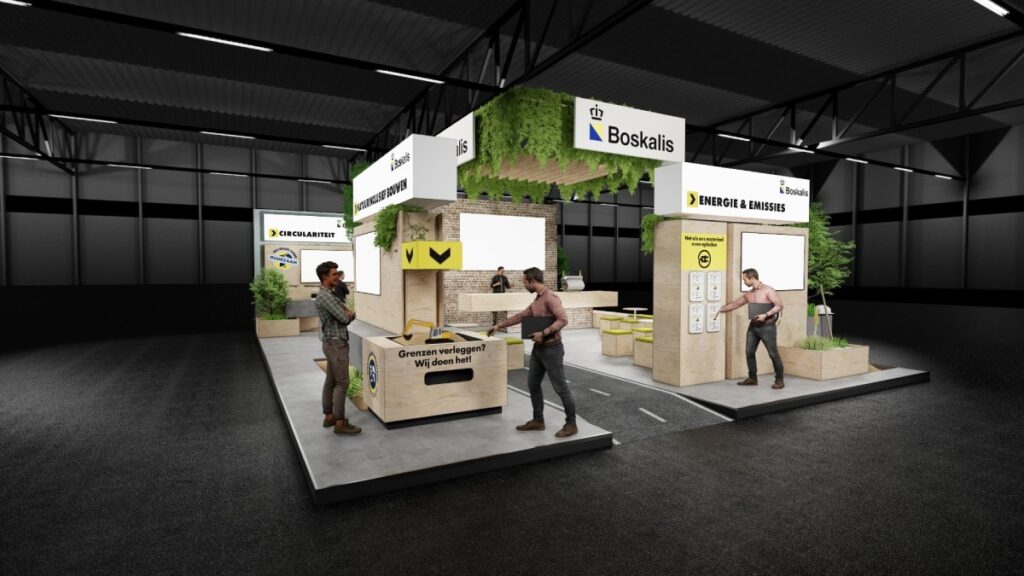
Hiring a booth builder in Munich requires clear project scope, an understanding of local regulations, and realistic timelines. This guide explains the most common mistakes organizers make when hiring a booth builder in Munich and shows how to avoid them with a simple SCOPE checklist, practical tips, and a short real-world scenario.
Detected intent: Informational
- Primary focus: hiring a booth builder in Munich
- Includes a named checklist (SCOPE), practical tips, trade-offs, and a scenario
- One authoritative reference to exhibition-industry best practice
Common mistakes when hiring a booth builder in Munich
Organizers who rush vendor selection or skip documentation often pay extra time and money later. This section lists the most frequent errors — from unclear briefs to hidden logistics costs — so decisions are based on practical criteria like design approvals, local permits at Messe München, and transport logistics.
Why these mistakes happen
Common root causes are compressed timelines, unclear responsibilities between client and contractor, and insufficient checks on permits, safety, and insurance. Using established procurement standards and a clear approval process prevents many problems.
SCOPE checklist for hiring a booth builder
Use the SCOPE checklist at the start of any procurement process to reduce risk and align expectations. SCOPE stands for:
- Scope: exact booth size, services, and deliverables (CAD files, lighting, AV, furniture)
- Compliance: local rules, fire safety, Messe München regulations, and insurance requirements
- Options: modular vs. custom build, reuse potential, sustainable materials
- Price & payment: clear payment milestones, contingency, and currency terms
- Execution: timeline, on-site project manager, logistics, and handover criteria
How to use the SCOPE checklist
Share the checklist with shortlisted builders and require signed confirmation of each item in the proposal. Attach CAD deliverables, technical riders, and a floorplan submission schedule to the contract to avoid scope creep.
Top 12 specific mistakes and trade-offs
- Vague brief: Not providing CAD drawings, power plans, and exact stand dimensions. Trade-off: faster tendering vs. higher risk of rework.
- Skipping references and site visits: Not checking past builds or seeing a mock-up.
- Ignoring local rules: Failing to confirm Messe München build rules, permits, or required certifications.
- Underestimating logistics: Overlooking transport windows, on-site storage, or customs for international shipments.
- No clear approvals process: Multiple stakeholders approving design at last minute delays production.
- Unclear IP and reuse terms: Not defining ownership of designs and who can reuse modular elements.
- Insufficient insurance: Missing third-party liability, transit, or on-site worker coverage.
- Price-only selection: Choosing the lowest bid without checking quality standards or references.
- Not planning for sustainability: Missing reusable/modular options that reduce long-term cost.
- Poor communication channels: No single point of contact for project decisions.
- Inadequate contingency: No buffer for last-minute technical changes or delays.
- Ignoring technical compatibility: AV, power, and rigging specs not verified against venue limits.
Common mistakes: quick trade-offs
Speed vs. accuracy: fast selection speeds up procurement but increases change-orders. Cost vs. quality: the lowest bid can hide extra fees for freight or overtime. Sustainable materials often raise upfront costs but lower lifecycle expense and waste.
Practical tips to reduce hiring risk
- Require staged deliverables: Initial concept, technical drawings, and a pre-build mock-up sign-off before manufacturing.
- Confirm local compliance early: Ask for proof of prior builds at Messe München or similar venues and copies of required certifications.
- Define a single decision-maker: Appoint one project owner with authority to approve changes to avoid delays.
- Include contingency and penalties: Contract a 5–10% contingency and clear late-delivery clauses tied to trade-show dates.
- Document IP and reuse: Specify who owns CAD files, renderings, and whether modular elements can be retained by the client.
Practical scenario: a real-world example
Scenario: A tech exhibitor booked a booth builder three months before a major fair. The brief listed dimensions but not technical load or branding materials. The builder fabricated elements without an approved lighting plan. One week before setup the venue flagged compliance issues, requiring a rework and overnight freight for replacement panels. Result: extra cost equalling 15% of the build and last-minute installation overtime.
Lesson: Require a full technical pack and staged approvals. This prevents expensive last-minute corrections and protects the event schedule.
Related terms and entities to know
Key terms: exhibition stand, trade fair stand builder Munich, exhibition stand contractor Munich, CAD, technical rider, rigging, Messe regulations, fire safety certificate, on-site logistics, booth logistics provider. Refer to global exhibition guidance from industry bodies for standards and best practices.
Authoritative source: industry best-practice guidance can be found at the Global Association of the Exhibition Industry: UFI.
Core cluster questions for further reading
- How to prepare a technical brief for an exhibition stand?
- What are the insurance requirements for trade show booths in Germany?
- How to compare modular vs custom booth builds for repeat shows?
- What logistics considerations matter for international exhibitors at Messe München?
- How to audit a booth builder's quality and safety practices?
Frequently asked questions
What are the top checks when hiring a booth builder in Munich?
Verify previous work at comparable venues, request proof of required insurance, confirm compliance with Messe München rules, require staged design approvals, and check logistics windows and power specifications.
How much contingency should be included in a booth build budget?
A 5–10% contingency is typical for predictable builds; larger or innovative builds may need 10–20% to cover design changes, freight surcharges, or overtime installation.
When should a final on-site check occur before the show opens?
Schedule a final technical and safety inspection the day before the show opens, after installation and before handover. Confirm signage, power, and AV are tested under load.
Which documents should be in the contract with a booth builder?
Include the signed SCOPE checklist, CAD/technical deliverables, a detailed price and payment schedule, insurance certificates, approval timelines, contingency, and penalties for missed deadlines.
Can a non-local exhibitor manage international shipping and customs alone?
Most exhibitors use a logistics or freight forwarder experienced with trade shows in Germany. Confirm declared values, transit insurance, and customs clearance timelines well before the event.