Construction Calculators – Free Building Tools | HomeCalcTool
-

- Published Updated
- 61 views

How Construction Calculators Help You Plan Building Projects More Efficiently
Planning a construction project requires careful preparation, accurate measurements, and a clear understanding of material requirements. Whether you are building a concrete driveway, renovating a room, installing drywall, or working on a landscaping project, estimating materials correctly can make a significant difference. Construction calculators help homeowners, contractors, builders, and DIY enthusiasts calculate quantities, manage budgets, and avoid unnecessary material waste.
Today, online tools make construction calculations easier and more accessible. Instead of relying entirely on manual calculations, people can use digital calculators to estimate the materials required for different types of projects. HomeCalcTool provides free Construction Calculators that help users estimate building materials and simplify everyday construction planning.
Why Accurate Construction Calculations Matter
Accurate calculations are an important part of successful construction planning. Before purchasing materials, you need to understand the dimensions of your project and determine how much material will be required. Incorrect estimates can lead to additional expenses, project delays, and unnecessary trips to suppliers.
For example, ordering too little concrete may interrupt the pouring process, while purchasing excessive lumber can increase costs and leave you with unused materials. Calculating quantities in advance helps you prepare a more realistic budget and organize your work efficiently.
Construction calculators simplify these tasks by processing measurements and converting them into useful estimates. Depending on the calculator, you can calculate volume, surface area, material quantities, and approximate project costs.
Estimate Concrete Requirements Before Pouring
Concrete is widely used for driveways, patios, foundations, walkways, and slabs. Estimating the correct volume is essential because concrete projects often require materials to be delivered within a specific timeframe.
To calculate the volume of a rectangular concrete slab, measure its length, width, and thickness. Multiply these measurements to determine the volume, making sure all dimensions use consistent units. The result can then be converted into cubic yards or cubic meters, depending on your supplier's measurement system.
It is also important to consider the shape of the project and account for reasonable material waste. Irregular sections, uneven ground, and changes in slab thickness can affect the final quantity.
Using a concrete calculator can make these calculations faster and help you prepare an initial estimate before contacting a concrete supplier.
Calculate Lumber for Framing and Woodworking
Lumber is commonly used for wall framing, roofing, flooring, decks, fences, and various woodworking projects. The amount required depends on the project design, board dimensions, spacing, and cutting requirements.
Before purchasing lumber, create a list of the pieces needed for the project. Record their lengths and quantities, and consider how the boards will be cut. This process can help reduce offcuts and improve material efficiency.
It is also important to understand that lumber dimensions may differ from their nominal sizes. For example, a board sold as a two-by-four generally has smaller actual dimensions after processing. Checking the actual dimensions helps ensure that your project measurements remain accurate.
A lumber calculator can assist with estimating board quantities and organizing your material list, particularly when working on larger framing or decking projects.
Estimate Asphalt for Driveways and Parking Areas
Asphalt is frequently used for residential driveways, parking areas, private roads, and other paved surfaces. Estimating asphalt requirements involves measuring the surface area and determining the planned pavement thickness.
The required quantity also depends on the material's density and whether the estimate refers to loose material or compacted pavement. These details should be confirmed with the supplier or contractor.
Before starting an asphalt project, inspect the base, drainage, and surface conditions. A properly prepared base and suitable pavement thickness are important for long-term performance. Vehicle weight, climate, and expected traffic should also influence the project specifications.
An asphalt calculator can help you estimate material quantities and prepare a preliminary budget before requesting supplier quotations.
Plan Paint, Drywall, and Insulation Projects
Construction calculations are not limited to concrete, lumber, and asphalt. Interior renovation projects also require accurate estimates for paint, drywall sheets, insulation, and related materials.
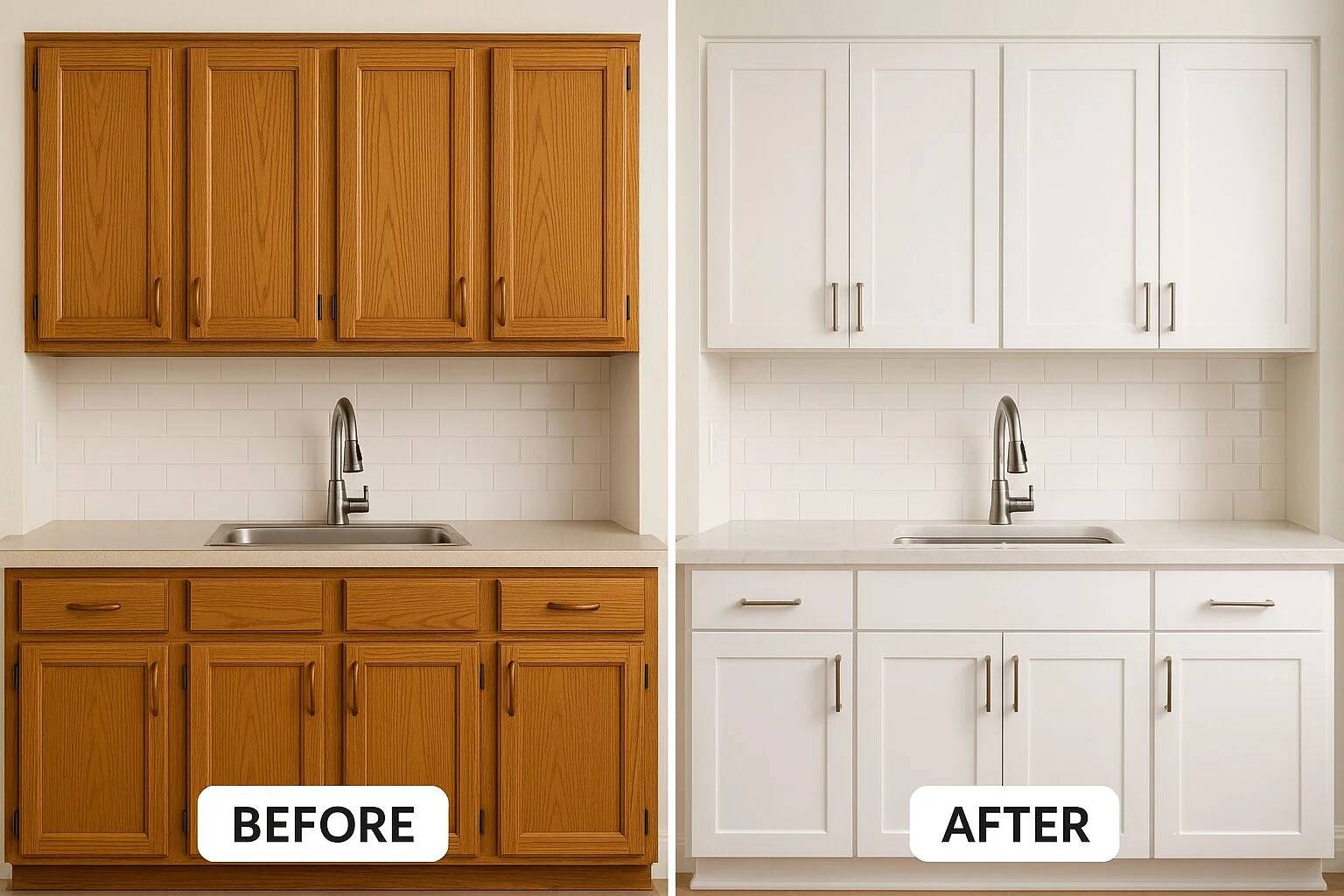
For paint projects, measure the wall and ceiling surfaces that need to be covered. Account for doors, windows, the number of coats, and the coverage rate listed on the paint container. Surface texture and the condition of the existing finish can also affect consumption.
For drywall installation, measure the wall and ceiling areas and select the appropriate sheet dimensions. Allow for cutting waste and consider the layout of the room when determining how many sheets are required.
Insulation estimates depend on the area being covered, the product dimensions, and the required thickness or thermal performance. Always follow applicable building requirements and manufacturer recommendations when selecting insulation materials.
Planning these quantities before shopping helps reduce waste and makes it easier to compare product prices.
Improve Your Construction Budget
Material costs can represent a substantial portion of a construction budget. Estimating quantities before purchasing supplies helps you compare prices and understand where your money will go.
Start by measuring the project carefully and preparing a list of required materials. Next, calculate estimated quantities and request quotations from suppliers. Compare the quoted prices, delivery charges, product specifications, and minimum order requirements.
Remember that a material estimate is not the same as a complete project quotation. Labor, equipment rental, site preparation, transportation, permits, and unexpected conditions may add to the total cost.
For this reason, treat calculator results as planning estimates and verify important quantities with qualified professionals or suppliers before making large purchases.
Tips for Getting Better Results from Online Calculators
To improve the accuracy of your estimates, follow a few practical steps:
Measure carefully: Check length, width, height, and thickness before entering values.
Use consistent units: Avoid mixing feet, inches, meters, and centimeters without converting them correctly.
Choose the right material: Different products have different densities, coverage rates, and dimensions.
Allow for waste: Include a reasonable allowance for cuts, spills, breakage, and installation requirements.
Verify supplier specifications: Confirm packaging sizes, product coverage, and delivery quantities before ordering.
Review your calculations: Double-check unusual dimensions and large quantities before committing to a purchase.
These habits help you use online calculators more effectively and reduce avoidable mistakes during construction.
Conclusion
Construction calculators make building and renovation projects easier to plan by helping users estimate material quantities, understand potential costs, and organize purchases. From concrete slabs and lumber framing to asphalt paving, painting, drywall, and insulation, accurate calculations support better decisions throughout a project.
Although calculators cannot replace professional inspections or engineering advice, they are valuable tools for preparing estimates and identifying material requirements. By measuring carefully, choosing appropriate products, and verifying results before purchasing, homeowners and contractors can manage resources more efficiently and approach construction projects with greater confidence.