What Are the Benefits of Using a Content Management System?
-

- Published Updated
- 4,390 views
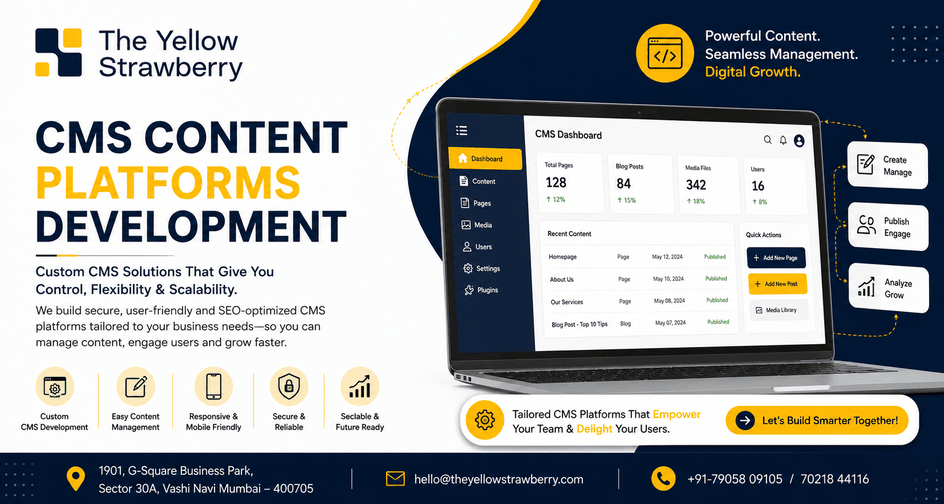
Managing website content can become challenging as a business grows. A CMS Development company in Mumbai can help businesses build flexible platforms that make publishing, editing, and organizing digital content easier. A Content Management System (CMS) allows teams to manage website content without depending on developers for every small update, helping businesses save time and maintain a consistent online presence.
From company websites and blogs to e-commerce stores and large content platforms, CMS solutions simplify everyday website management. With the right CMS Website Development approach, businesses can also create an SEO-friendly foundation that supports long-term digital growth. More importantly, a well-planned CMS can give businesses the flexibility to adapt their website as their content, audience, and digital requirements evolve.
1. Easy Content Management
One of the biggest advantages of a Content Management System is its ease of use. Users can create, edit, organize, and publish content through an intuitive administrative interface without requiring advanced coding knowledge.
This gives marketing and content teams greater independence. They can update product information, publish blogs, add landing pages, upload images, or make routine changes quickly instead of waiting for technical support.
A CMS can also centralize content management, making it easier for teams to maintain important website information from one location. As a result, businesses can respond faster to market trends and keep their websites fresh, useful, and relevant.
2. Faster Publishing and Better Productivity
Traditional websites often require developers to make even simple content changes. A CMS reduces this dependency by giving authorized users direct control over website content.
For example, a marketing team can prepare a blog, add images, optimize metadata, and schedule its publication from one platform. Editorial workflows can also support drafting, reviewing, approving, and scheduling content before it goes live.
This improves productivity while allowing development teams to focus on more complex technical improvements. Instead of spending development resources on routine content updates, businesses can concentrate on website performance, integrations, security, and new digital features.
Therefore, a well-planned CMS can become an important part of an organization's digital growth strategy.
3. SEO-Friendly and Scalable Website Management
A modern CMS can provide features that support search engine optimization, including editable page titles, meta descriptions, headings, URLs, image optimization, and structured content. These capabilities make it easier for teams to maintain SEO best practices as the website grows.
For businesses publishing content regularly, this flexibility can be particularly valuable. Teams can optimize new pages and articles without requiring technical assistance for every SEO adjustment.
WordPress Development, for instance, can be customized with themes, plugins, and content structures based on a business's requirements. However, WordPress is not the only option. Depending on the project's complexity, businesses may also consider Drupal, headless CMS platforms, or other enterprise solutions.
A scalable CMS Website Development strategy should consider content volume, traffic, integrations, security, performance, and future expansion from the beginning. Selecting the right platform at an early stage can also reduce the need for expensive restructuring as the website grows.
4. Consistency, Collaboration, and Long-Term Flexibility
A CMS makes it easier to maintain consistent branding and content across a website. Reusable templates and structured content components can help teams follow standard layouts while reducing repetitive work.
Furthermore, multiple users can often work within the same platform with role-based permissions. Writers, editors, marketers, and administrators can have different levels of access, improving collaboration and reducing the risk of unwanted changes.
This is especially useful for businesses with larger content teams or multiple departments. Clear workflows can help ensure that content is reviewed and approved before publication, maintaining quality and consistency across the website.
For businesses with multiple digital touchpoints, a headless Content Management System can offer additional flexibility. Content can be managed centrally and delivered across websites, mobile applications, and other digital experiences through APIs. This approach can be useful for businesses planning to expand their digital ecosystem over time.
Conclusion
A Content Management System gives businesses greater control over their websites while improving publishing speed, collaboration, scalability, and SEO management. Whether you need a business website, content-heavy platform, e-commerce store, or custom digital experience, choosing the right CMS can create a strong foundation for long-term growth.
The right platform should align with your content requirements, technical infrastructure, team capabilities, security needs, and future plans. Businesses should therefore evaluate usability, customization, integrations, performance, scalability, and ongoing maintenance before selecting a CMS.
Working with an experienced CMS Development company in Mumbai can help you select the right platform, structure content effectively, and build a solution that fits your business goals. If you're planning a new CMS Website Development project, The Yellow Strawberry can help turn your content and digital requirements into a scalable web solution designed to support your evolving business needs.
To know more visit https://theyellowstrawberry.com/cms-content-platforms-development/