How Cosmetic Injectables Are Evolving in Dubai: Trends, Tech, and Regulation
-

- February 23rd, 2026
- 1,246 views
Interest in cosmetic injectables Dubai has grown rapidly over the last decade as clinics expand services and new technologies reach the market. This article summarizes innovations, regulatory developments, safety considerations, and likely directions for the field in Dubai and the wider UAE.
- New injectable formulations and delivery tools are increasing precision and durability.
- Regulation and licensing by UAE authorities aim to raise practitioner standards and patient safety.
- Imaging, AI, and combination treatments are shaping personalized aesthetic plans.
- Patients should confirm practitioner credentials, clinic licensing, and approved products.
Trends in cosmetic injectables Dubai
Demand for minimally invasive aesthetic treatments continues to shape the market. In Dubai, clinics are offering a broader range of options beyond traditional neuromodulators and hyaluronic acid fillers, including biostimulatory injectables, longer-lasting formulations, and regenerative injectables that aim to stimulate tissue remodeling. Demographic shifts—such as growing interest from younger adults seeking preventative treatments and older adults pursuing natural-looking rejuvenation—are influencing service menus.
Key innovations reshaping treatments
Advanced injectable formulations
Research into new molecules and cross-linking chemistries aims to provide longer durability, improved safety profiles, and more predictable results. Biostimulatory agents that encourage collagen production and matrix remodeling provide an alternative to volume-only approaches.
Improved delivery systems
Microcannulas, blunt-tip injectors, and refined needle designs reduce bruising and trauma at injection sites. Emerging delivery platforms combine injectables with controlled-release matrices to extend effect durations while minimizing peaks and adverse events.
Imaging and guidance technologies
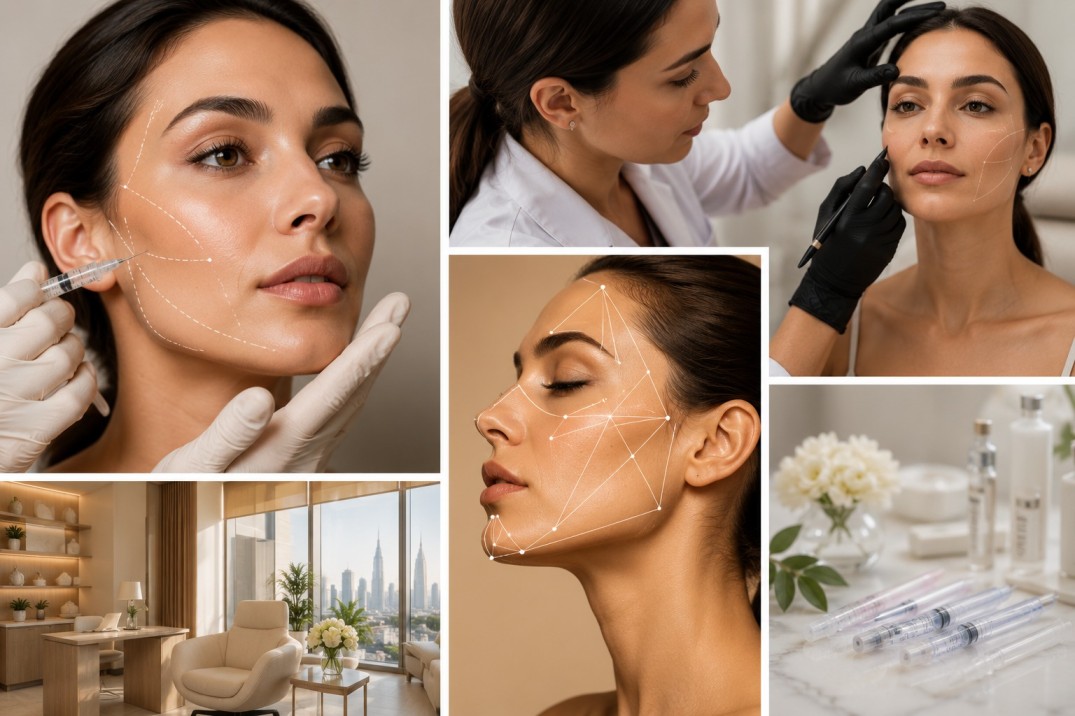
High-frequency ultrasound and other imaging tools are increasingly used to map anatomy, assess filler placement, and guide injections in real time. This improves safety, helps avoid vascular complications, and supports individualized treatment planning.
AI, data, and personalization
Artificial intelligence and digital assessment tools are entering aesthetic practice to analyze facial metrics, predict outcomes, and recommend dosing strategies. While still evolving, these technologies support more personalized and objective consultations.
Regulation, approvals, and training
Regulatory frameworks affect which products and techniques are available. In the UAE, federal and emirate-level health authorities set licensing, product registration, and clinic standards. The Dubai Health Authority (DHA) oversees clinical practice standards and licensing within Dubai and provides guidance on qualifications required for aesthetic practitioners; patients can consult the DHA for information on licensed facilities and practitioners (Dubai Health Authority). International regulators and academic publications are commonly referenced for product safety profiles and evidence-based practice.
Practitioner credentials and continuing education
Authorities increasingly require documented training and certification for providers offering injectables. Ongoing professional development and structured training programs are becoming a standard expectation to ensure safe practice.
Patient safety and quality considerations
Product approval and provenance
Patients should verify that products used are registered with relevant regulatory bodies and supplied through legitimate channels. Approved product status and batch tracking reduce the risk of counterfeit or substandard materials.
Clinic standards and informed consent
Clinics should maintain clear consent processes, pre-treatment assessments, and documented aftercare plans. Facilities with emergency protocols, access to imaging, and referral pathways for complications provide higher levels of safety assurance.
Realistic expectations and follow-up
Clear communication about expected outcomes, limitations, costs, and potential risks supports informed decision-making. Structured follow-up visits allow practitioners to monitor results and address adverse events promptly.
Market access, cost, and availability
As new injectables and devices are introduced, availability may initially be limited to specialized clinics and tertiary centers. Costs vary with product type, practitioner experience, and required follow-up. The introduction of longer-lasting formulations or combination approaches may change cost-per-treatment considerations over time.
Outlook: what to expect in the next 3–7 years
Expect continued diversification of injectable options, greater use of imaging and digital tools, and more formalized regulatory oversight. Evidence generation through clinical studies and registries will inform best practices. Integration of injectables with noninvasive energy-based treatments and regenerative approaches may expand multimodal aesthetic strategies.
Practical tips for prospective patients
- Verify practitioner licensing and clinic accreditation with local health authorities.
- Ask about product approval status and supplier verification.
- Request information on practitioner training and complication management protocols.
- Seek clinics that use imaging guidance or documented assessment tools for complex injections.
Preparing for new technology and standards
Clinics and practitioners that adopt validated training, invest in imaging, and follow evidence-based protocols are likely to lead in offering safer, more predictable treatments. Patients benefit from transparent information, standardized consent, and access to licensed facilities staffed by trained professionals.
FAQ
Are cosmetic injectables Dubai treatments regulated and safe?
Regulation in the UAE includes requirements for product registration, practitioner licensing, and facility standards. Safety depends on the product used, the qualifications of the practitioner, and adherence to clinical protocols. Consultation with licensed providers and confirmation of approved products and clinic accreditation are recommended.
What innovations should patients ask about during a consultation?
Questions about imaging guidance, the specific formulation and approval status of products, expected durability, and contingency plans for complications can help patients compare options. Inquiring about practitioner training and experience with newer injectables is also useful.
How will AI and imaging change practice for injectables?
AI and imaging aim to improve anatomical assessment, personalize dosing, and reduce complication risk. These tools are adjuncts to, not replacements for, clinical judgment and hands-on expertise.
Where can authoritative guidance on licensing and clinic standards be found?
Official health authorities in the UAE and Dubai publish guidance on licensing, clinic standards, and approved products. National and regional regulators, along with peer-reviewed research, are sources for evidence on safety and effectiveness.
Note: This article summarizes trends and considerations and is not a substitute for professional medical advice. Consult licensed health professionals and official regulatory sources for specific guidance.