Crafting Premium Rain Showers: Manufacturing Processes, Materials, and Standards
-
- February 23rd, 2026
- 1,430 views

FREE SEO Topical Map Generator: Find Your Next Content Ideas
Rain shower manufacturing brings together product design, materials science, precision engineering, and regulatory compliance to produce showerheads and ceiling-mounted fixtures that deliver consistent flow, durability, and aesthetic appeal. This article outlines the key stages and considerations in rain shower manufacturing for a general audience, highlighting materials, production methods, quality control, and relevant standards.
- Rain shower manufacturing involves design, material selection, machining or casting, surface finishing, and testing.
- Common materials include brass, stainless steel, and engineered plastics; coatings and plating affect corrosion resistance and appearance.
- Quality control relies on standardized testing, factory inspection, and compliance with plumbing and environmental standards.
Rain shower manufacturing: design considerations and material selection
Design decisions in rain shower manufacturing affect water distribution, durability, and maintenance. Designers evaluate nozzle geometry, spray patterns, diameter, and mounting style to achieve the desired 'rain' effect. Material choice is central: brass (often dezincification-resistant alloys) and stainless steel are standard for longevity and corrosion resistance, while high-performance plastics are used where weight, cost, or non-corrosive properties are priorities.
Materials and corrosion resistance
Metals used in rain showers require treatments to resist mineral deposits and galvanic corrosion. Surface finishes—such as PVD coatings, nickel or chrome plating, and electropolishing—improve appearance and limit tarnishing. Engineered polymers can reduce scale buildup and are common for nozzles and internal flow components.
Hydraulics and flow control
Internal flow regulators, aerators, and laminar flow elements shape output and manage flow rates to meet performance targets and efficiency standards. Hydraulic design also considers head loss, nozzle spacing, and anti-clogging features; these affect perceived pressure and spray uniformity.
Manufacturing processes and production steps
Production typically starts with prototyping and moves to tooling, pilot runs, and full-scale manufacturing. Common processes include precision casting, CNC machining, injection molding, and automated assembly.
Casting and machining
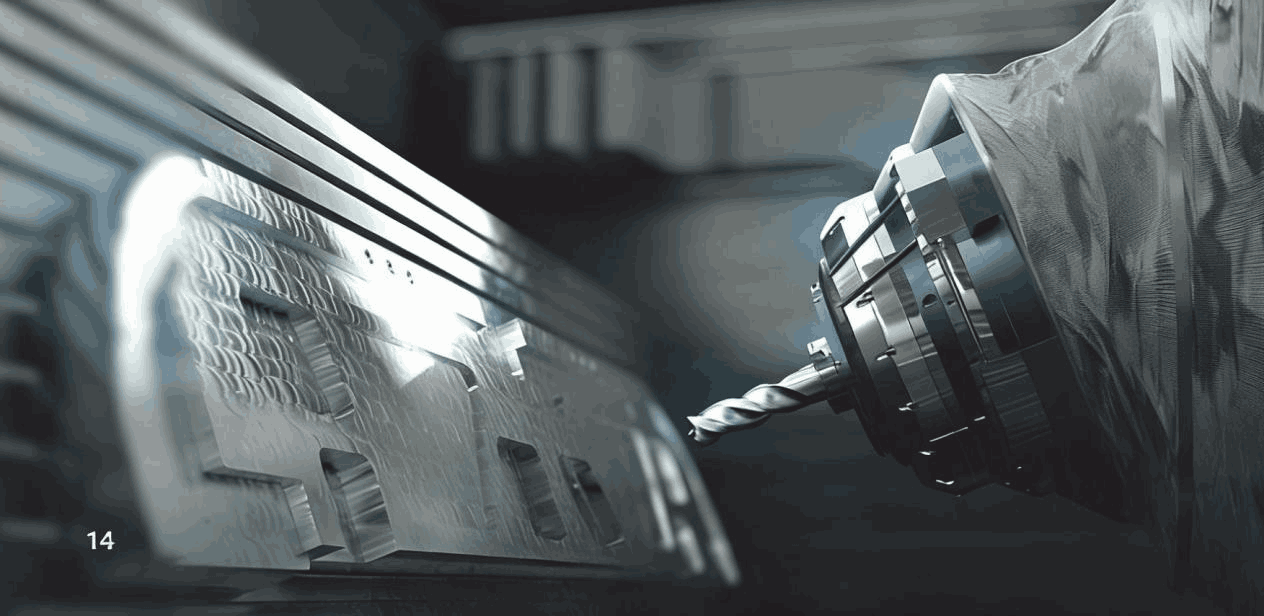
Investment casting and die casting are used for complex shapes; post-cast machining refines critical sealing surfaces and threads. CNC machining provides tight tolerances for valve components and connection interfaces.
Plastic molding and nozzle production
Injection molding is standard for polymer parts and silicone nozzles. Mold design emphasizes flow channels and cooling to reduce defects. Soft-touch nozzles or flexible jets are molded to simplify maintenance and resist limescale.
Surface finishing and assembly
Finishing steps include abrasive polishing, plating, powder coating, and PVD treatments. Automated and manual assembly lines integrate seals, cartridges, and flow regulators. Leak testing, thread engagement checks, and torque verifications occur during final assembly.
Quality control, testing, and standards
Testing protocols verify performance, durability, and safety. Common routines include flow-rate measurement at specified pressures, spray-pattern evaluation, cyclic endurance testing of valves and seals, and corrosion testing under accelerated conditions. Product traceability and factory audits support consistent quality.
Relevant standards and regulators
Manufacturers often align processes with ISO 9001 quality management principles and consult plumbing codes such as the International Plumbing Code for installation interfaces. Water-efficiency and health-related testing reference programs and standards like WaterSense and NSF/ANSI for material safety. Regulatory expectations vary by market and may include national or regional certification schemes.
For information on water-efficiency labeling and guidance, see the U.S. Environmental Protection Agency's WaterSense program, which sets criteria for efficient fixtures and fittings, including flow performance and testing protocols. EPA WaterSense
Sustainability, durability, and lifecycle considerations
Sustainable design in rain shower manufacturing includes reducing material waste through optimized tooling, using recyclable materials, and designing for serviceability to extend product life. Fixture longevity reduces embodied environmental impact; attention to replaceable cartridges and modular nozzles facilitates repair rather than replacement.
Water efficiency and user experience
Balancing a satisfying full-coverage spray with lower flow rates is a key engineering challenge. Aeration, pressure-compensating flow restrictors, and smart hydraulic designs help maintain a strong perceived spray while conserving water. Compliance with regional efficiency programs and consumer expectations both influence final specifications.
Testing protocols and long-term reliability checks
Routine tests include continuous-flow endurance, thermal cycling, and particulate resistance assessments. Accelerated life testing simulates years of use to identify fatigue points in seals, cartridges, and mounting hardware. Post-market surveillance and field feedback contribute to iterative improvements in manufacturing processes.
Traceability and documentation
Batch-level traceability, material certifications, and inspection records support warranty claims and regulatory compliance. Documentation also assists installers and building inspectors with correct interface and pressure requirements.
Frequently asked questions
What is rain shower manufacturing?
Rain shower manufacturing encompasses the design, material selection, production methods, finishing, testing, and quality assurance used to create overhead and large-diameter shower fixtures that produce a rain-like spray.
Which materials are most durable for rain shower components?
Brass alloys and stainless steel are commonly used for structural components due to corrosion resistance; engineered plastics and silicone are used for nozzles and internal parts where flexibility and anti-scale properties are advantageous.
How do manufacturers test spray quality and durability?
Manufacturers measure flow rate at standardized pressures, inspect spray uniformity, perform cyclic usage tests on valves, and conduct accelerated corrosion and thermal cycling tests to assess long-term durability.
Are there standards that affect rain shower manufacturing?
Yes. Industry standards and schemes—such as ISO quality systems, NSF/ANSI product safety guidance, and regional plumbing codes—inform materials selection, testing, and labeling. Water-efficiency programs also influence allowable flow rates and testing methods.
Can design improve water efficiency without sacrificing performance in rain shower manufacturing?
Yes. Hydraulic engineering techniques like pressure-compensating flow restrictors, optimized nozzle geometry, and aeration can preserve a full-coverage experience while reducing overall flow. Compliance with efficiency programs helps validate performance.