Best Legal Steroid Alternatives 2025: Safe, Evidence-Based Options for Muscle Growth
-
- May 12th, 2026
- 283 views

Get a free topical map and start building content authority today.
Commercial Investigation
The search for the best legal steroid alternatives is common among athletes and weekend lifters who want noticeable muscle growth without breaking the law or risking serious health problems. This guide explains what legal steroid alternatives are, how they work, and which ingredients and approaches have practical evidence for safe, effective muscle growth.
- Best legal steroid alternatives are supplement formulations and natural compounds designed to support muscle growth, recovery, and strength without anabolic steroids.
- Look for evidence-backed ingredients (creatine, protein, beta-alanine) and validated product transparency (third-party testing, clear labeling).
- Combine supplements with progressive resistance training, adequate calories, and sleep for measurable results.
Best legal steroid alternatives: what to know
Legal steroid alternatives include a range of natural muscle growth supplements and researched nutrients that support hypertrophy, recovery, and performance. They are not anabolic steroids—these alternatives work by improving muscle protein synthesis, energy availability, or hormonal balance in safe, smaller-scale ways.
How legal alternatives differ from anabolic steroids
Anabolic steroids directly mimic testosterone and strongly increase anabolic signaling, often with major side effects and legal issues. By contrast, safe steroid alternatives use:
- Ergogenic nutrients (creatine, essential amino acids)
- Performance aids (beta-alanine, caffeine)
- Herbal or botanical ingredients that may modestly affect hormones or recovery
Regulatory oversight for dietary supplements is limited compared to prescription drugs; for authoritative safety and labeling information, consult the U.S. Food and Drug Administration guidance on dietary supplements (FDA).
Core cluster questions
- What ingredients have clinical evidence for muscle growth?
- How to stack supplements with training for safe gains?
- What are common side effects of popular legal alternatives?
- How long before results appear when using legal alternatives?
- Which products use third-party testing and transparent labeling?
Key ingredients to look for (evidence-based)
Creatine (creatine monohydrate)
One of the most-studied performance supplements. Creatine increases high-intensity work capacity and supports lean mass gains when combined with resistance training.
Protein and essential amino acids
Adequate daily protein (including 2–3 g of leucine per serving around workouts) is foundational for hypertrophy. Whey protein, casein, and high-quality plant blends can all be effective when total protein needs are met.
Beta-alanine, citrulline, and other performance aids
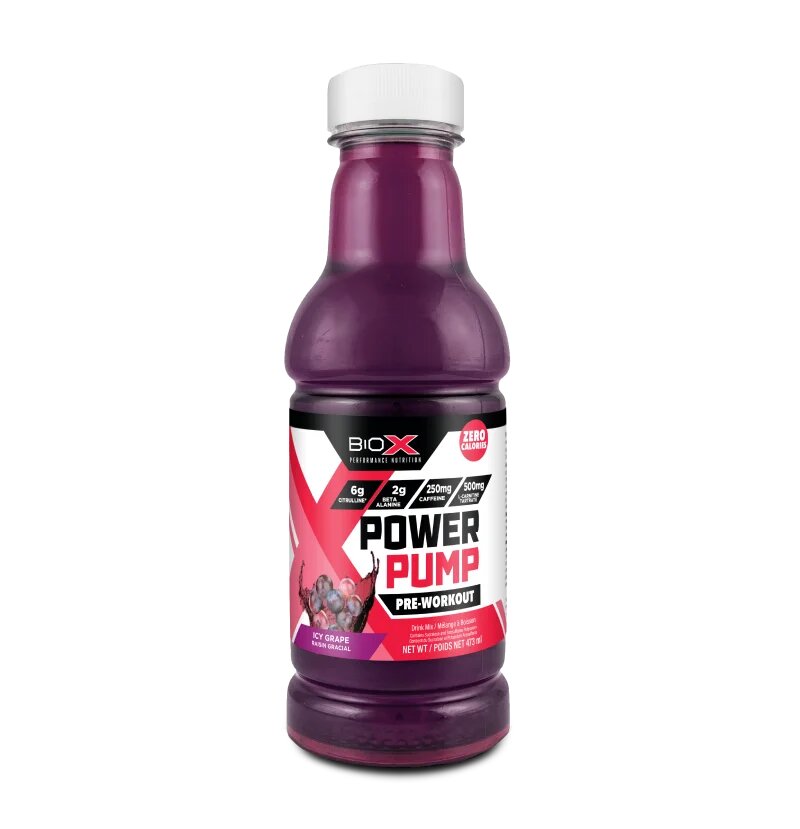
Beta-alanine improves muscular endurance in repeated efforts; citrulline and nitrate sources can support blood flow and pump. These contribute to training volume, which drives growth.
SAFE Muscle Growth Checklist (framework)
Use this simple checklist to evaluate any legal steroid alternative or stack:
- S — Science: Are ingredients supported by peer-reviewed studies?
- A — Accuracy: Is dosage on the label consistent with effective clinical doses?
- F — Full disclosure: Are all ingredients listed (no proprietary blends) and is third-party testing available?
- E — Ergonomics: Does the supplement complement training, nutrition, and recovery plans?
Practical application: a short real-world scenario
A 28-year-old intermediate lifter plateaued after a year of steady training and wants 5–10 lbs of lean mass in 6 months without using anabolic steroids. The applied plan used the SAFE checklist: add creatine monohydrate (5 g/day), increase daily protein to 1.6–2.0 g/kg body weight, include beta-alanine pre-workout, and prioritize progressive overload twice weekly per muscle group. After 12 weeks, measurable strength improvements and modest lean mass gains were documented while energy and recovery improved, with no adverse events reported under routine medical screening.
Practical tips for using safe steroid alternatives
- Prioritize training and nutrition first. Supplements supplement — they do not replace a calorie surplus and progressive resistance stimulus.
- Use clinically supported doses. Example: creatine 3–5 g/day, beta-alanine 2–3.2 g/day, 20–40 g whey protein post-workout when needed.
- Choose products with full ingredient labels and third-party testing (USP, NSF, or Informed Sport) to reduce contamination risk.
- Track outcomes over 8–12 weeks. Evaluate strength, body composition, and side effects before adding or changing products.
Trade-offs and common mistakes
Trade-offs when choosing alternatives
Stronger short-term gains often require higher risk (legal steroids or hormones), while legal alternatives yield slower, safer improvements. Some botanical ingredients have mixed evidence and may provide only marginal benefits compared with core nutrients like protein and creatine.
Common mistakes
- Relying on a single supplement instead of optimizing training and diet.
- Overdosing on unproven ingredients or using undisclosed proprietary blends.
- Skipping medical screening when combining multiple supplements or if there is a history of hormone-related conditions.
How to evaluate a product claim
Look for independent lab certificates, transparent ingredient lists, and clinical citations that match the exact ingredient form and dose. When marketing claims sound dramatic—"steroid-like" or "instant mass"—treat them skeptically and prioritize verifiable facts.
Safety considerations and monitoring
Before using any new supplement stack, check with a healthcare professional if there are pre-existing conditions, medication interactions, or planned competitive testing. Periodic monitoring (blood pressure, liver enzymes, hormonal panels when relevant) helps detect issues early. Official guidance on supplements and safety is available from regulatory agencies such as the FDA (FDA).
When to consider medical or licensed supervision
If rapid, large-scale changes in body composition are desired or if there is interest in hormone therapies, consult a licensed clinician. Medical supervision ensures lab monitoring, legal compliance, and consideration of long-term health trade-offs.
Are the best legal steroid alternatives safe for beginners?
When chosen based on evidence, used at clinical doses, and combined with proper training and nutrition, many alternatives are safe for beginners; however, start with core nutrients (protein, creatine) and consult a healthcare professional for personal risks.
How long does it take to see results with legal steroid alternatives?
Expect measurable changes in strength within 4–8 weeks and noticeable body-composition changes in 8–12 weeks when training, diet, and supplements are consistent.
Can legal steroid alternatives affect hormone levels?
Most mainstream alternatives have modest effects on hormones compared with anabolic steroids. Some herbal ingredients claim hormonal effects but evidence varies; monitor changes and consult medical advice before use.
Do legal steroid alternatives show up on drug tests?
Most legal supplements do not contain banned substances, but contamination is possible. Competitive athletes should use products with batch-specific third-party certification (e.g., Informed Sport) to reduce the risk of positive tests.
What is the best way to combine supplements with training?
Focus on a progressive overload program, adequate calories and protein, and add evidence-based supplements to support training volume and recovery rather than replace core practices.