10 Creative Bedroom Lighting Ideas to Transform Any Room
-

- Published Updated
- 1,808 views
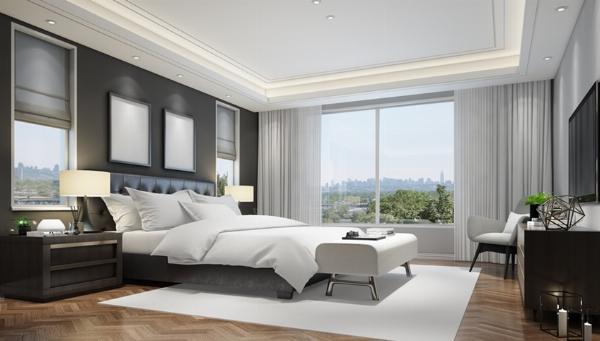
Creative bedroom light ideas can change the look and feel of a room, improving comfort, functionality, and atmosphere. This guide explains practical approaches—from layered lighting and LED strips to dimmers and color temperature—so choices match bedroom size, decor, and daily routines.
- Use layered lighting: ambient, task, and accent lights.
- Choose LED bulbs and appropriate color temperature (2700–4000K) for mood and function.
- Integrate dimmers, smart controls, and timers for flexibility and energy savings.
- Focus on placement: bedside, reading zones, headboard backlighting, and closet lighting.
- Consider circadian-friendly schedules and safety standards.
Creative bedroom light ideas for different moods and functions
Room lighting should support multiple activities: sleeping, dressing, reading, and relaxation. Layered lighting combines ambient lighting for overall illumination, task lighting for reading or dressing, and accent lighting for texture and focus. Layering creates flexibility without over-illuminating the space.
Types of lighting and where to use them
Ambient lighting
Ambient lighting provides general illumination. Ceiling fixtures, recessed cans, and flush mounts are common. For smaller rooms, consider semi-flush fixtures or a central pendant with a warm LED bulb to avoid glare.
Task lighting
Task lighting supports activities such as reading or working. Adjustable bedside lamps, swing-arm sconces, or directional floor lamps place light where it is needed without lighting the whole room. Use bulbs with higher lumen output for reading areas while keeping color temperature comfortable for the eyes.
Accent lighting
Accent lighting highlights artwork, textured walls, or architectural details. LED strips behind a headboard or under shelves, picture lights, and small directional spotlights add depth and visual interest.
Practical fixtures and installation ideas
Bedside options
Wall-mounted sconces, pendant lights hung at bedside height, or flexible reading lamps save surface space on nightstands. Hardwired sconces free up plugs and create a cleaner look, while plug-in fixtures are simpler to install.
Headboard and backlighting
LED tape lights behind a headboard, around shelves, or under bed frames create a soft glow that separates the bed from the rest of the room. Choose diffused channels or profiles to avoid visible hotspots.
Closet and wardrobe lighting
Motion-sensor LED strips or puck lights inside closets improve visibility and convenience. Low-profile lights mounted on shelves or under hanging rods reduce shadows without intrusion.
Bulb choices, color temperature, and efficiency
LED bulbs are energy-efficient, long-lasting, and available across a wide range of color temperatures. For bedrooms, warmer light (2700–3000K) creates a relaxing atmosphere, while cooler tones (3500–4000K) work for dressing areas or task zones. Consider bulbs rated for dimming if dimmers will be used, and check lumens rather than watts to compare brightness.
Controls: dimmers, smart lighting, and timers
Dimmers and multi-level switches
Dimmers allow fine-tuned control over light levels and help set mood. Multi-location dimmers are useful for larger bedrooms with more than one entry point.
Smart lighting and home systems
Smart bulbs, wireless switches, and app controls enable schedules, scenes, and remote operation. Scenes can automate warm, low light for evening relaxation and brighter, cooler light for mornings. Integration with voice systems or home automation platforms offers added convenience.
Design tips and creative accents
Color and texture
Colored LEDs or tunable white fixtures allow temporary shifts in tone for special occasions or seasonal changes. Accent lighting on textured walls or behind translucent panels emphasizes material and depth.
Decorative fixtures and statement pieces
Unique pendants, sculptural lamps, or layered fixtures can serve as both light sources and focal points. Choose scale and style to match bedroom proportions and ceiling height.
Health, safety, and standards
Consider circadian-friendly lighting patterns that dim and warm in the evening and provide cooler, brighter light during active daytime hours. For evidence-based guidance on lighting effects and best practices, consult resources from lighting research and professional bodies such as the Illuminating Engineering Society and the Lighting Research Center at Rensselaer via this link: Lighting Research Center at Rensselaer. Follow local electrical codes for fixture installation and use certified installers for hardwired projects.
Energy and cost considerations
Energy-efficient LEDs and smart controls reduce electricity use compared with older technologies. Look for fixtures and bulbs rated for long life and low standby use. In many regions, programs such as ENERGY STAR provide guidelines and rebates for efficient lighting upgrades.
DIY and budget-friendly ideas
LED strip lights, plug-in sconces, battery-powered puck lights, and clamp lamps can create dramatic effects without major rewiring. Use adhesive-backed LED channels, dimmable bulbs, and motion sensors to add function on a budget.
FAQ
What are some Creative bedroom light ideas for a small room?
Use wall-mounted fixtures and recessed or flush-mount ambient lights to save floor space. Backlit headboards and LED strips under shelving add depth without clutter. Choose adjustable task lights and dimmers to adapt light levels.
How bright should bedroom lights be?
Brightness depends on function. Ambient illumination can range from 1000–3000 lumens for a typical bedroom, with higher lumens for dressing or work areas. Use task lights with focused output for reading and lower ambient levels for relaxation.
Can smart lighting help with sleep routines?
Smart lighting can support consistent evening dimming and morning brightening routines that align with daily schedules. Avoid making medical claims; consult sleep and health professionals for personalized medical guidance.