10 Creative PPC Ads Strategies to Boost Reach and Conversions
-
- Published Updated
- 1,402 views
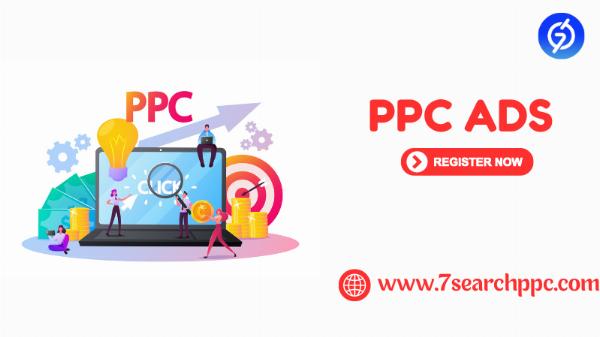
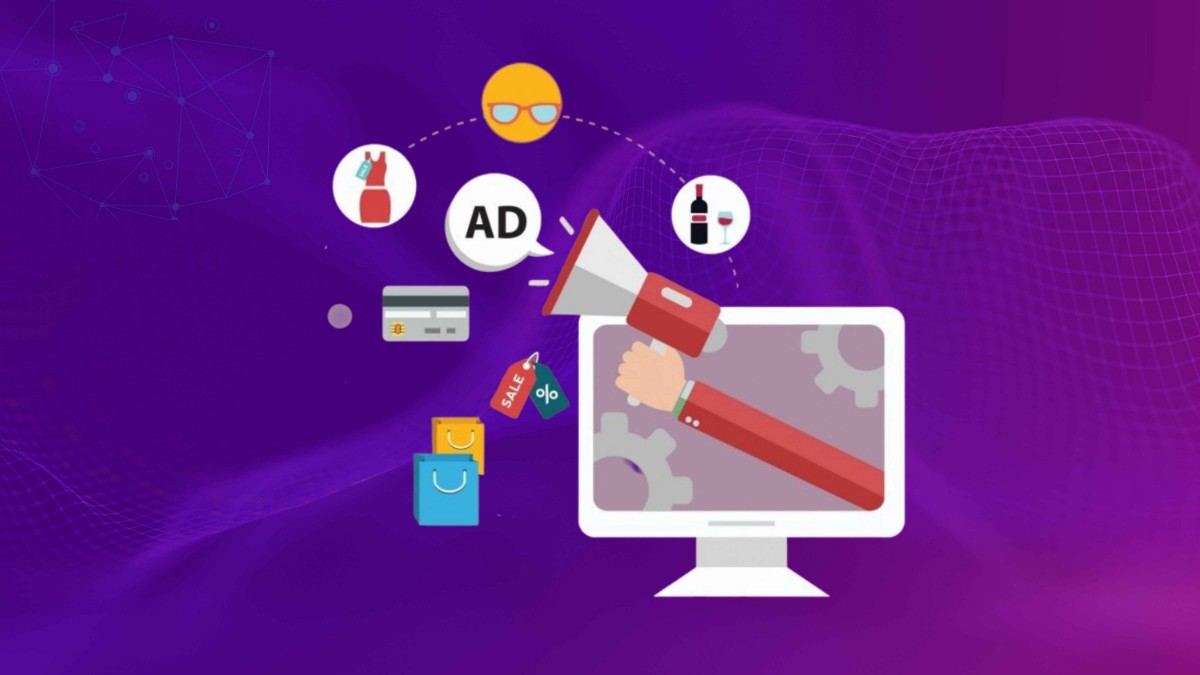
PPC ads are a flexible paid marketing channel that can be adapted for many objectives beyond simple search visibility. This guide outlines 10 creative ways to use pay-per-click campaigns to reach specific audiences, support content, and improve conversion outcomes while maintaining measurement discipline.
- Uses include audience segmentation, remarketing, dynamic ads, and localized promotions.
- Pair ads with landing pages, conversion tracking, and A/B tests for best results.
- Follow ad disclosure and privacy guidance from regulators when targeting users.
10 Creative Ways to Use PPC ads
1. Layered audience segmentation
Use detailed audience signals—demographics, interests, past behavior, and custom intent—to create layered segments. Serve different ad creative and offers to high-intent searchers, comparison shoppers, and broader interest audiences to increase relevance and click-through rates.
2. Remarketing with tailored creative
Remarketing lists allow follow-up ads for users who visited specific pages or abandoned carts. Customize messaging based on the prior interaction (product viewed, time on site, or funnel stage) and include limited-time incentives or social proof to encourage return visits.
3. Dynamic creative and feed-based ads
Connect product or content feeds to generate dynamic headlines, images, and descriptions. Dynamic Search Ads and feed-based display ads update automatically as inventory or content changes, which helps keep messaging consistent at scale.
4. Local inventory and store-focused campaigns
For businesses with physical locations, use location extensions, local inventory ads, or geo-targeted search campaigns to promote in-store availability and local promotions. Combine with store visit measurement and call tracking to evaluate offline impact.
5. Prospecting with lookalike and similar audiences
Create lookalike audiences from best customers or high-value converters to reach new users with similar behavioral patterns. Pair lookalike targeting with creative that mirrors the messaging shown to top-performing seed audiences.
6. Content amplification and lead-gen funnels
Use search and display ads to promote high-value content—guides, webinars, or tools—that captures leads. Design a funnel where initial content ads drive to gated assets and follow-up ads nurture leads toward a conversion event.
7. Seasonal and event-based micro-campaigns
Build short-lived campaigns for seasonal events, product launches, or local happenings. Micro-campaigns with tailored landing pages and countdown messaging create urgency and can be optimized quickly for performance.
8. A/B testing for copy, creatives, and landing pages
Run controlled experiments on headlines, descriptions, images, and landing page elements. Systematic A/B testing helps identify high-performing combinations and reduces reliance on assumptions about audience preferences.
9. Cross-channel coordination
Coordinate PPC ads with organic search, email, social media, and display channels. Use consistent creative themes and synchronized timing to reinforce messaging and improve multi-touch attribution clarity.
10. Conversion lift and incrementality tests
Beyond standard metrics like CTR and CPA, run incrementality and holdout tests to estimate the true causal impact of PPC campaigns on conversions. This helps determine whether ads are driving net new conversions or merely shifting existing behavior.
Best practices for creative, targeting, and measurement
Ad creative and messaging
Write clear value propositions and calls to action. Use ad extensions where available to add context (sitelinks, callouts, structured snippets) and improve ad real estate. Ensure landing pages are aligned with ad promises to reduce bounce rates.
Tracking, privacy, and compliance
Implement reliable conversion tracking—server-side or tag-based—alongside consent management for regions with data protection rules. Follow advertising disclosure guidance and privacy best practices from regulatory bodies; for general advertising and endorsement guidance, consult official resources from consumer protection authorities such as the Federal Trade Commission: FTC Advertising & Marketing Guidance.
Performance measurement and optimization
Monitor a mix of metrics: impressions, CTR, conversion rate, cost per conversion, and lifetime value where applicable. Use automated rules and bidding strategies cautiously, and validate automated changes with manual checks and experiments.
Common risks and how to reduce them
Budget waste and irrelevant clicks
Use negative keywords, precise keyword match types, and targeted placements to limit irrelevant traffic. Regularly review search terms and placement reports to reduce wasted spend.
Ad fatigue and creative staleness
Rotate creative and refresh offers periodically. Monitor frequency on display and social placements to avoid ad fatigue, and schedule new creative for peak dates and campaign milestones.
Implementation checklist
- Define clear objectives for each campaign (awareness, consideration, conversion).
- Set up conversion tracking and event tagging before launching tests.
- Create audience lists and map creative variants to segments.
- Run small-scale experiments, measure incrementality, then scale effective approaches.
- Document compliance measures and consent flows for targeted advertising.
FAQs
What are PPC ads and how do they work?
PPC ads are paid advertisements where advertisers pay each time a user clicks an ad. Common formats include search ads (shown in search engine results), display ads (banners on websites), shopping ads, and social ads. Campaigns are typically auction-based and use targeting, bidding, and creative to reach audiences with specific intent or behaviors.
How can remarketing improve conversion rates?
Remarketing targets users who already interacted with a brand, making messaging more relevant and timely. Tailored offers and sequential messaging help move users back into the conversion funnel and often cost less per conversion than outreach to cold audiences.
Which metrics matter most for PPC performance?
Key metrics include impressions, click-through rate (CTR), conversion rate, cost per conversion, and, where available, post-conversion value metrics such as average order value or lifetime value. Attribution modeling and incrementality testing provide deeper insight into channel contribution.
Is it necessary to use automation in PPC campaigns?
Automation can improve efficiency and scaling, but it should be used with clear guardrails, data-driven targets, and regular oversight. Combine automated bidding with manual tests to verify that automation aligns with strategic goals.
How should privacy regulations affect PPC targeting?
Privacy regulations may limit certain targeting capabilities and require consent for tracking. Implement consent management platforms and follow local rules for data collection. Review regulatory guidance and industry standards to maintain compliant practices.
Can small budgets use the creative approaches described?
Yes. Many creative tactics (remarketing, tailored landing pages, small A/B tests) can be implemented with modest budgets. Prioritize fewer, higher-impact experiments and measure results before scaling spend.