Reliable CRM & ERP Migration Services for Modern Businesses
-

- September 22nd, 2026
- 59 views
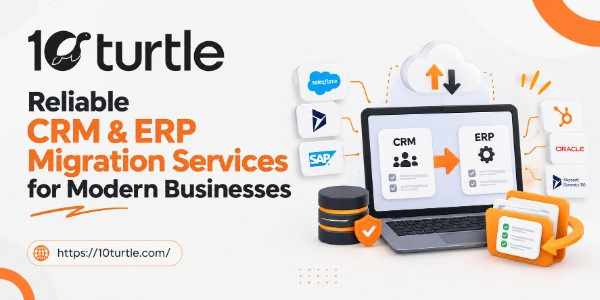
Migrating to a new customer relationship management or enterprise resource planning system can feel overwhelming. Many organizations struggle with legacy systems that slow down operations, limit scalability, and drain IT resources. Whether you're moving from outdated on-premise software to cloud-based solutions or upgrading to a more robust platform, ERP migration services offer a structured approach to ensure smooth transitions with minimal disruption to your business.
Why CRM & ERP Migration Matters for Growing Businesses
Modern businesses operate in a fast-paced environment where inefficient systems create competitive disadvantages. Legacy CRM and ERP platforms often lack integrations, real-time analytics, and mobile capabilities that today's workforce expects. A successful migration to contemporary solutions unlocks operational efficiency, improves decision-making, and enables teams to scale without technical constraints.
The cost of delaying migration isn't just financial. Every day spent managing fragmented systems represents lost productivity, missed opportunities for automation, and increased security risks. Organizations that migrate to cloud-based CRM migration services or modern ERP migration solutions typically see improved collaboration, faster reporting, and stronger data security within months.
Key Benefits of Professional Migration Services
Minimize Business Disruption
Attempting DIY migrations often leads to costly downtime, data loss, and employee frustration. Professional CRM ERP implementation teams plan migrations with precision, using phased rollouts, parallel system running, and comprehensive testing to ensure continuity. Your team stays productive while migration happens behind the scenes.
Preserve Data Integrity
Data is your competitive advantage. During migration, information transfer between systems can introduce errors, duplicates, or gaps. Experienced migration specialists implement validation protocols, reconciliation processes, and audit trails to guarantee data accuracy. Every customer record, transaction, and historical insight transfers cleanly.
Reduce Implementation Timelines
What might take your internal team 6-9 months can be accomplished in weeks or months with specialized expertise. Migration professionals understand platform-specific challenges, best practices, and shortcuts that prevent costly mistakes and rework.
Critical Factors to Consider Before Migration
Choose the Right Platform
The best system for your organization depends on industry, company size, growth plans, and budget. HubSpot excels for sales-focused teams; Microsoft Dynamics 365 integrates seamlessly with Office 365; Salesforce offers extensive customization; Odoo provides open-source flexibility. Evaluate your specific needs before committing to a migration timeline.
Plan Your Data Strategy
Successful business software migration starts with honest data assessment. What information actually matters? Which legacy records should be archived? How will data structure differ in your new system? Clean data during migration prevents carrying forward problems that plague operations for years.
Align Teams and Stakeholders
Migration affects finance, sales, operations, and IT departments differently. Clear communication about timelines, process changes, and training ensures adoption. When teams understand why migration happens and how it benefits them personally, resistance diminishes and success rates improve.
How to Choose the Right Migration Partner
Not all ERP migration providers offer equal value. Look for partners who:
- Demonstrate expertise with your specific platform or migration path
- Reference successful implementations in your industry
- Provide comprehensive training for your team
- Offer post-migration support and optimization
- Use structured methodologies rather than ad-hoc approaches
- Include data validation, testing, and documentation in their scope
A reliable migration partner becomes an extension of your team, translating business requirements into system configurations while your people focus on operations.
Common CRM & ERP Migration Challenges (And Solutions)
Challenge: Data incompatibility between old and new systems.
Solution: Professional mapping, cleansing, and transformation during transition phases.
Challenge: Resistance from staff who fear change.
Solution: Early training, clear communication, and demonstrating immediate productivity gains.
Challenge: Hidden system dependencies that surface mid-migration.
Solution: Thorough discovery and audit phases before migration starts.
Challenge: Extended downtime impacting revenue.
Solution: Phased rollouts, parallel running, and cutover planning that minimizes interruption.
The Migration Process: What to Expect
A structured approach typically includes:
- Assessment & Planning – Evaluate current systems, document requirements, and establish timeline
- Design – Configure new system, plan data mapping, and design integration architecture
- Development & Testing – Build custom functionality, run parallel tests, and perform user acceptance testing
- Training – Prepare team members through role-based training and documentation
- Cutover – Execute migration, validate data, and activate new system
- Optimization – Monitor performance, refine processes, and identify improvement opportunities
Frequently Asked Questions
How long does a typical CRM or ERP migration take?
Timeline depends on system complexity, data volume, and customization requirements. Small implementations may take 2-3 months; enterprise migrations can span 6-12 months. Experienced teams often compress timelines through efficient planning and proven methodologies.
Will our business operations stop during migration?
Not necessarily. Modern business software migration often uses parallel running or phased rollouts where both systems operate simultaneously until confidence in the new platform grows. This minimizes disruption while providing a safety net.
What if something goes wrong after we've migrated?
Reputable migration partners include post-implementation support, issue resolution, and performance monitoring as standard services. Some offer 30-90 day post-migration standby support to address unexpected challenges quickly.
How much does ERP or CRM migration cost?
Costs vary based on system complexity, data volume, and required customizations. Budget ranges typically start at $50,000 for small implementations and scale to $500,000+ for enterprise systems. A qualified partner provides detailed cost estimates during discovery phases.
for more inforamtion please visit : https://10turtle.com/ai-services/custom-software/migration/