Cryotherapy in Dubai: Trends, Safety, Regulations, and What to Know
-
- February 23rd, 2026
- 1,443 views
Interest in cryotherapy in Dubai has grown rapidly as wellness clinics, sports recovery centers, and medical spas promote cold-based services such as whole-body cryotherapy, localized cryo, and cryolipolysis. This article summarizes what cryotherapy involves, why it has become popular in the city, the regulatory environment, and the evidence and safety considerations consumers should know.
- Cryotherapy describes treatments using extreme cold for recovery, pain relief, cosmetic uses, or fat reduction.
- Dubai has seen a rise in whole-body and localized cryotherapy offerings amid a broader wellness market.
- Regulation, staff training, and facility standards vary; official health authority guidance applies.
- Scientific evidence supports some short-term benefits for recovery and pain, while other claims need further study.
- Consumers should check licensing, staff credentials, contraindications, and aftercare before booking sessions.
Cryotherapy in Dubai: popularity, common uses, and settings
Why cryotherapy has become prominent
Several factors have contributed to the rise of cryotherapy in Dubai: a large wellness and tourism sector, high-interest in sports recovery among athletes and fitness enthusiasts, and consumer demand for non-invasive cosmetic procedures. Clinics often market cryotherapy for accelerated recovery after exercise, short-term pain relief, improved skin tone, and body contouring.
Where cryotherapy is offered
Services are available in sports medicine centers, medical spas, dermatology clinics (for cryolipolysis and localized treatments), and standalone cryotherapy studios. Offerings range from single-session trials to package plans, with modalities including whole-body cryochambers, localized cryo-applicators, and devices used for fat-freezing procedures.
How cryotherapy works and common types
Whole-body cryotherapy (WBC)
Whole-body cryotherapy involves brief exposure (typically 2–4 minutes) to very cold air or nitrogen vapor at subzero temperatures inside a chamber. The proposed mechanisms include vasoconstriction followed by reactive vasodilation, temporary reduction in inflammatory mediators, and altered nerve signaling. Short exposure times are emphasized to limit cold-related risks.
Localized cryotherapy and cryolipolysis
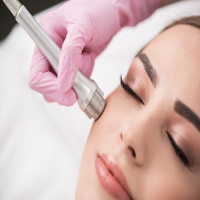
Localized cryotherapy applies cold to a specific area for pain relief or dermatologic uses. Cryolipolysis (fat-freezing) targets subcutaneous fat cells with controlled cooling to reduce fat bulges and commonly requires a licensed medical setting and follow-up assessments.
Regulation, oversight, and safety considerations in Dubai
Regulatory context and facility standards
Facilities offering cryotherapy in Dubai are subject to local health authority regulations and licensing requirements. Consumers are encouraged to verify that clinics hold appropriate permits and that procedures are performed or overseen by trained professionals. For official information on licensed healthcare services and facility requirements, consult the Dubai Health Authority guidance and licensing pages: Dubai Health Authority.
Safety, contraindications, and risk reduction
Cryotherapy can pose risks if not performed correctly: frostbite, burns, asphyxiation in poorly ventilated spaces using liquid nitrogen, and exacerbation of certain cardiovascular or respiratory conditions. Contraindications commonly cited by professional organizations include cold intolerance, certain neuropathies, uncontrolled hypertension, clotting disorders, and pregnancy. Facilities should screen clients, provide pre-session instruction, maintain emergency protocols, and use certified equipment.
What the research and professional bodies say
Evidence for benefits
Systematic reviews and clinical studies report that cryotherapy may provide short-term reductions in muscle soreness and perceived pain after intense exercise and can aid temporary recovery. Evidence for long-term performance enhancement or systemic health benefits is limited and mixed. For cosmetic uses such as cryolipolysis, randomized and observational studies show measurable fat reduction in targeted areas, but results vary and multiple sessions are often required.
Limitations of current research
Many studies are small, short-term, or industry-funded, limiting generalizability. Heterogeneity in treatment protocols (temperature, duration, device type) complicates direct comparisons. Independent research and standardized reporting are needed to clarify optimal protocols and long-term outcomes.
Practical considerations for potential users
Choosing a provider
Check that the facility is licensed, ask about staff training and emergency procedures, confirm the exact protocol and expected sensations, and request information about contraindications and aftercare. For procedures with medical intent (e.g., cryolipolysis), seek providers with clinical oversight from qualified healthcare professionals.
Cost, session planning, and expectations
Costs vary by modality and package. Consumers should have realistic expectations: many benefits are short-term and may require multiple sessions. Discuss potential side effects, downtime, and objective outcome measures before committing to a course of treatment.
Regulatory trends and future outlook
Potential policy developments
As demand grows, regulators may introduce clearer device standards, mandatory staff qualifications, and advertising rules to prevent misleading health claims. Collaboration between clinical researchers, professional societies, and regulators will influence how cryotherapy integrates into mainstream healthcare and wellness services.
Technology and research directions
Ongoing innovation focuses on safer, more targeted cooling technologies and rigorous clinical trials to test specific indications, dosing, and long-term safety. Comparative studies versus established therapies for pain and recovery would clarify relative benefits.
Frequently asked questions
Is cryotherapy in Dubai safe?
Safety depends on the procedure type, facility practices, and individual health status. Confirm that the clinic is licensed, that staff screen for contraindications, and that emergency protocols and certified equipment are in place. This information helps reduce known risks such as frostbite or exposure-related injuries.
How many sessions are usually needed for results?
Session number depends on the goal: temporary relief from muscle soreness may require only occasional sessions, while cosmetic fat-reduction typically requires multiple treatments spaced over weeks. Providers should offer evidence-based expectations for the specific modality.
Who should avoid cryotherapy?
People with cold sensitivity, certain cardiovascular or respiratory conditions, uncontrolled hypertension, pregnancy, or clotting disorders should avoid some cryotherapy modalities. A licensed clinician should evaluate individual suitability.
How to verify a clinic’s credentials in Dubai?
Ask to see facility licenses, staff qualifications, and written protocols. Confirm registration or oversight with local health authorities and request information on device certification and maintenance schedules.
Does insurance cover cryotherapy?
Coverage varies by insurer and by whether the treatment is deemed medical or cosmetic. Check with the insurance provider and request documentation of medical necessity when applicable.