Crystal Nail Files Guide: Care, Benefits, and Best Practices
-

- Published Updated
- 1,273 views
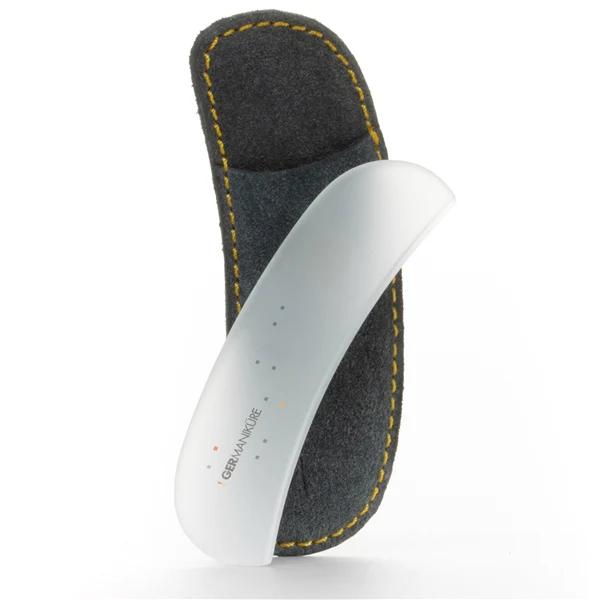
Crystal Nail Files are a type of glass-based nail file used for shaping and smoothing natural nails. They are known for a very fine abrasive surface, long lifespan, and resistance to fraying compared with emery boards. This guide explains how crystal files work, safety and sanitation considerations, proper technique, and how to choose and maintain a file for long-term nail care.
- Crystal nail files use etched or tempered glass to create a fine, durable abrasive surface.
- They are gentle on nail edges when used correctly and can reduce splitting and peeling.
- Sanitize between users and replace if glass chips or surface damage appears.
- Consult a licensed clinician or dermatology resource if nails show signs of infection or persistent damage.
Crystal Nail Files: How They Work
Material and manufacturing
Crystal or glass nail files are typically made from tempered glass or chemically etched glass. The abrasive surface is created through etching or sandblasting to form microscopic teeth that abrade the nail plate. Tempering improves strength and reduces the risk of shattering under normal use, while the etched surface provides a consistent, fine grit.
Surface, grit, and performance
Compared with traditional emery boards or metal files, crystal nail files usually have a very fine grit equivalent to a high-number grit on standard sanding scales. This produces a smoother edge on the nail and reduces the tendency for nails to split or snag. The uniform surface also means fewer loose particles and a more durable tool that can be cleaned and sanitized without degrading the abrasive layer.
Benefits and Limitations
Advantages
- Durability: When handled properly, a crystal file lasts longer than disposable emery boards and does not fray.
- Fine finish: The micro-abrasive surface creates smooth nail edges that can reduce chipping and splitting.
- Washable and sanitizable: Glass files can be washed with soap and water and disinfected with alcohol-based solutions, making them suitable for repeated use.
- Comfort: Many users find the filing action gentler, which is beneficial for thin or brittle nails.
Limitations and risks
- Fragility: Despite tempering, glass can chip or break if dropped or abused. A chipped file can cause cuts or uneven filing.
- Not for heavy-duty shaping: Very thick artificial nails or aggressive reshaping may be better suited to coarser metal or professional tools.
- Sanitation required: Like any grooming tool, files can transfer debris or pathogens if not properly cleaned between users.
Using and Caring for Crystal Nail Files
Proper technique
File nails in one direction rather than a back-and-forth sawing motion to reduce stress on the nail plate. Use light, even strokes and work from the free edge toward the center or along the desired shape. Avoid excessive pressure; the fine abrasive surface is designed to remove small amounts of the nail at a time.
Cleaning and sanitation
After use, rinse the file under warm water to remove dust, then wash with mild soap and a soft brush. Disinfect by wiping or soaking briefly in an appropriate solution such as 70% isopropyl alcohol. For professional settings, follow local health department or salon regulation guidance for instrument sterilization. If a file becomes chipped or the surface is visibly damaged, replace it to avoid injury.
Choosing and Replacing a Crystal Nail File
Choosing a file
Select a size and shape that fits hand comfort and intended use (e.g., longer files for salon tables, pocket sizes for personal grooming). Look for tempered glass and a consistently etched surface. Some files include a protective sleeve or case to reduce the risk of breakage during storage or transport.
When to replace
Replace a crystal nail file if it develops chips, cracks, or irregularities on the abrasive surface. Replacement is also recommended if the file no longer produces a smooth edge or if it has been used on multiple clients and cannot be adequately disinfected according to local regulations.
When to Seek Professional Advice
Persistent discoloration, pain, swelling, thickening, or separation of the nail plate can be signs of infection or underlying health conditions. For concerns about nail disease, a licensed dermatologist or healthcare provider should be consulted. Trusted professional resources, such as the American Academy of Dermatology, provide reliable information on nail health and when to seek care: American Academy of Dermatology.
Environmental and safety considerations
Dispose of a broken glass file safely by wrapping it in sturdy material before placing it in household waste, following local disposal rules for sharp objects. Store files in cases or padded containers to minimize breakage risk. Avoid using a damaged file to prevent cuts or splintering.
FAQs
Are Crystal Nail Files safe for natural nails?
Yes, when used correctly, crystal nail files are generally safe for natural nails because of their fine abrasive surface. Filing in one direction with light pressure reduces the risk of splitting or peeling. Replace files that are chipped or damaged.
How often should a crystal nail file be cleaned?
Clean the file after each use. For personal use, washing with soap and water and occasional disinfection with alcohol is typically sufficient. For professional use, follow local health regulations for disinfection between clients.
Can crystal nail files be used on acrylic or gel nails?
Crystal files are designed primarily for natural nails and light finishing work. They may not be aggressive enough for heavy shaping of acrylics or hard gels; professionals often use coarser tools designed specifically for artificial nail systems.
How long does a crystal nail file last?
With proper care a crystal file can last many months to years for a single user. Longevity depends on frequency of use, handling, and whether it is dropped or damaged.
Is it better to file nails wet or dry?
Filing dry nails is common for shaping. However, brittle nails may benefit from gentle filing after brief soaking or softening. Avoid over-filing wet nails, which can be softer and more prone to tearing if handled aggressively.
What should be avoided when using a crystal nail file?
Avoid excessive pressure, back-and-forth sawing motions, and using a damaged or chipped file. Do not share files between people without appropriate disinfection to prevent transfer of fungal or bacterial organisms.