Custom Boxes Design and Blister Packaging: A Practical Guide
-
- August 22nd, 2026
- 86 views

FREE SEO Topical Map Generator: Find Your Next Content Ideas
Custom boxes design and Blister Packaging serve different packaging purposes, but both can improve product presentation, protection, and customer experience. Choosing between them depends on the product, retail environment, branding goals, and level of protection required.
Why Is Custom Boxes Design Important for Brands?
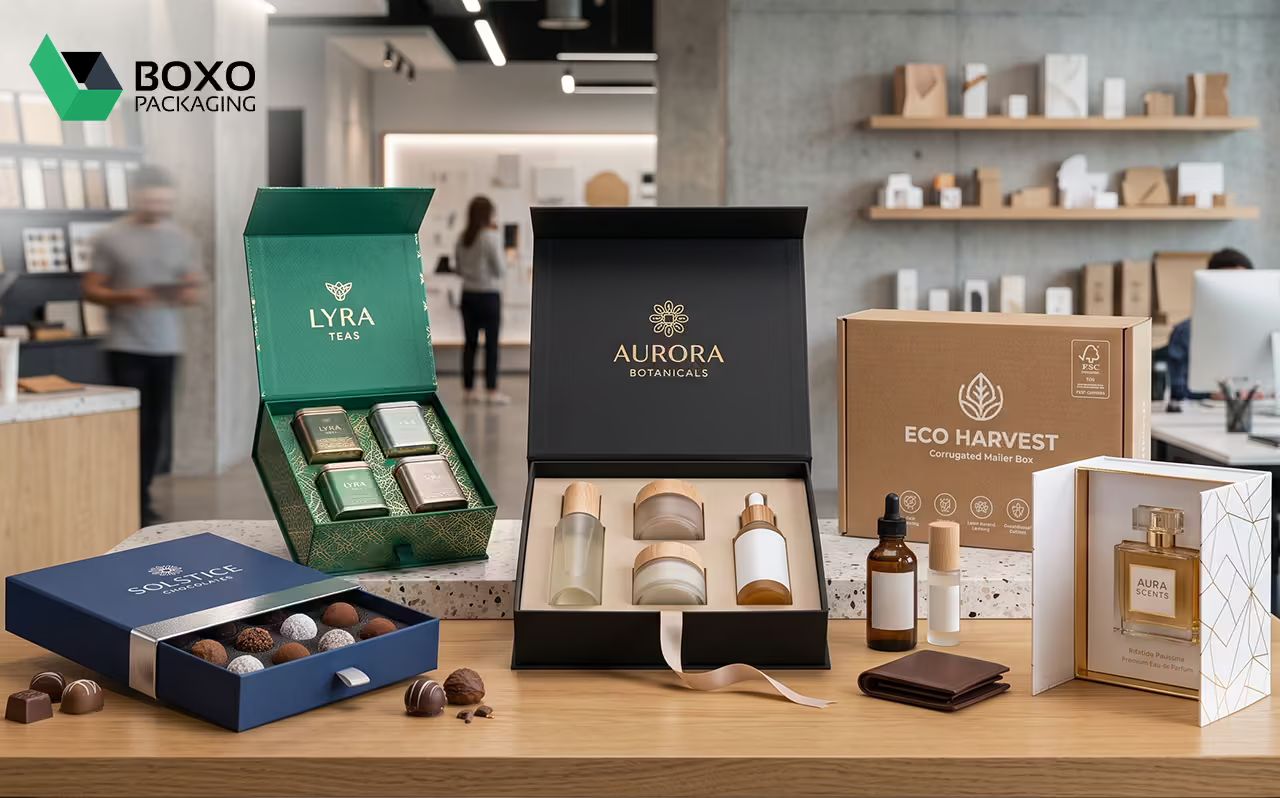
Custom boxes design allows businesses to create packaging around their products instead of adapting products to standard box sizes. This approach gives brands more control over dimensions, materials, graphics, printing, and the overall unboxing experience.
A well planned package should do more than look attractive. It needs to protect the product during handling, storage, and transportation while making important information easy for customers to find.
Brands can use packaging to maintain visual consistency across their product range. Logos, colors, typography, illustrations, product descriptions, and other brand elements can turn an ordinary carton into a recognizable part of the customer experience.
What Should Businesses Consider Before Designing a Box?
The product should always come first. Businesses need to understand its dimensions, weight, fragility, shape, and transportation requirements before choosing a box structure.
Important considerations include:
- Product dimensions and weight
- Material strength and thickness
- Printing and finishing requirements
- Storage and shipping conditions
A physical prototype can also help identify problems before mass production. It allows businesses to test product fit, closure, artwork placement, and overall usability.
How Can Custom Packaging Improve Product Presentation?
Packaging often creates the first physical interaction between customers and a product. A carefully designed box can make that interaction feel more professional and consistent with the brand. For retail products, packaging also has an important communication role. The outside surface may need to present the product name, features, instructions, barcode, company details, and other information. However, good packaging does not require excessive decoration. Clear hierarchy, readable typography, suitable colors, and balanced graphics can often create a stronger result than a crowded design.
What Is Blister Packaging?
Blister Packaging is a type of packaging that commonly uses a formed plastic cavity to hold a product against a backing material, often allowing customers to see the product before purchase. The transparent cavity can provide product visibility while helping keep the item contained during retail handling. This makes the format useful for many small consumer products.
Blister packs can be designed in different shapes and sizes according to the product. The cavity should hold the item securely without making removal unnecessarily difficult.
Which Products Commonly Use Blister Packaging?
Blister formats are particularly useful for products that benefit from visibility and organized retail presentation. They can accommodate many small items that need to remain visible while being protected from direct handling.
Common applications include:
- Small hardware and accessories
- Consumer electronics accessories
- Toys and small retail products
- Healthcare and personal care items
The appropriate material and construction depend on the product and its intended market. Products requiring special protection may need additional packaging features.
How Does Blister Packaging Help With Retail Presentation?
One major advantage is product visibility. Customers can see the item without opening the package, which can make it easier to understand the product's appearance and condition before purchase. The backing card also creates valuable space for branding and product information. Businesses can include graphics, instructions, specifications, barcodes, and other relevant details. This combination of visibility and printed information can make blister formats particularly useful for products displayed on retail hooks or shelves.
How Do These Packaging Formats Differ?
Custom cartons and blister formats approach product presentation differently. A box can provide more enclosed space for branding and can offer greater flexibility in materials and structure. Blister formats place greater emphasis on product visibility. The transparent cavity allows the item itself to become part of the visual presentation. The better option depends on the product. A premium gift item may benefit from an attractive printed carton, while a small accessory that customers need to inspect may work better in a transparent blister format.
Can Packaging Be Both Attractive and Sustainable?
Packaging sustainability depends on material selection, manufacturing, transportation, product protection, and end of life infrastructure. No packaging format should automatically be considered sustainable without considering these factors. Businesses can start by avoiding unnecessary material and selecting an appropriately sized package. They should also ask suppliers for specific information about material composition and disposal options.
The most effective approach is to balance product protection with responsible material use. Packaging that prevents product damage can also serve an important purpose by reducing losses during distribution.
How Should Businesses Choose the Right Packaging Solution?
Start with the product and customer experience rather than the packaging trend. Consider how the item will be transported, displayed, opened, stored, and ultimately used. For brands that need extensive printing and enclosed presentation, a custom carton may provide greater creative flexibility. For products where visibility is important, a blister format may offer a more suitable retail solution.Testing samples before a large production run is also recommended. A sample can reveal structural, visual, and usability issues that may not be obvious in digital artwork.
Custom boxes design and Blister Packaging can both support strong product presentation when selected according to real business requirements. One offers flexible structural and branding possibilities, while the other emphasizes product visibility and organized retail display.
The best packaging solution balances protection, functionality, appearance, customer convenience, material requirements, and production costs. Instead of choosing packaging simply because it looks impressive, businesses should select a format that genuinely supports the product and the people who use it.