Custom Glassine Paper: Complete Guide to Packaging, Branding, and Protection
-
- March 05th, 2026
- 364 views

Get a free topical map and start building content authority today.
Detected intent: Informational
Custom glassine paper is a smooth, translucent, grease-resistant paper used for packaging, branding, and protection across food, retail, and archival applications. This guide explains grading, printing, functional choices, and compliance considerations so teams can select, spec, and use custom glassine paper effectively.
- What it is: a supercalendered, translucent sulfite paper with low porosity and natural grease resistance.
- Primary uses: food wraps, inner packaging, archival interleaving, printed branded sleeves, and moisture/light protection.
- Key decisions: basis weight (gsm), translucency, coating vs uncoated, print method, food-contact certification, and recyclability.
- Checklist and framework included for specifying custom runs and avoiding common mistakes.
What is custom glassine paper and when to use it
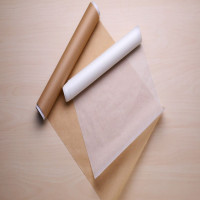
The term custom glassine paper refers to glassine produced or finished to order for a specific application—choices often include custom sizes, printed designs, coated finishes, and food-contact approvals. Its combination of translucency, low porosity, and natural grease resistance makes it an excellent choice for packaging bakery goods, confectionery, jewelry, and delicate printed materials where a thin, protective barrier is needed without obscuring contents entirely.
custom glassine paper: material properties and variants
Core properties
Glassine is prized for:
- Translucency — allows product visibility while providing surface protection.
- Grease resistance — inherent to the highly calendered paper, often improved with coatings.
- Low lint and smooth surface — compatible with flexographic and gravure printing.
- Lightweight protection — available in thin basis weights from ~18–50 gsm for different uses.
Common variants and finishes
- Uncoated glassine — natural feel, good recyclability where local facilities accept it.
- Cerate or wax-coated glassine — added moisture and grease barrier for oily foods.
- Silicone-coated glassine — release liner for adhesives and label backing.
- Printed glassine — branding via flexo, gravure, or digital methods; select inks suitable for food contact if needed.
How to specify custom glassine for packaging and branding
Practical specification checklist: the GLASSINE Framework
Use the GLASSINE Framework to brief suppliers and design teams:
- Grade: food-safe, archival, or industrial.
- LBasis Weight: choose gsm for desired stiffness and protection (18–50 gsm typical).
- Appearance: translucency level, color, and surface finish.
- Surface Treatment: uncoated, coated (wax, silicone, or other), and print compatibility.
- Size & Fold: custom die-cut, bags, sheets, or rolls, and preferred roll core diameter.
- Inks & Compliance: food-contact inks, FDA/ISO considerations where needed.
- Net Environmental Profile: recycled content, compostability, and local recycling rules.
- End Use Testing: grease, moisture, and abrasion tests for intended product.
Real-world example
A small artisan bakery orders printed glassine bags (30 gsm, wax-coated interior) sized for 3" x 8" cookie sleeves. The design uses two-color flexo printing, and the bakery requests a food-contact declaration from the mill. Samples pass a grease migration test and the bakery scales up to a run of 10,000 bags, reducing plastic use and improving brand presentation.
Printing, coatings, and compliance considerations
Printing options and trade-offs
- Flexographic printing: cost-effective for moderate runs; works well on smooth glassine with appropriate inks.
- Gravure printing: high quality for long runs and fine detail but higher setup costs.
- Digital printing: best for short runs and variable data; ensure ink adhesion and food-safety compatibility.
Food safety and regulatory note
When glassine paper will contact food, confirm supplier documentation for food-grade status and migration testing. For authoritative guidance on food-contact materials and regulatory requirements, reference the FDA’s materials and packaging resources: FDA guidance on food-contact materials.
Practical tips for buying and using custom glassine
- Order physical samples and run your products through expected conditions (heat, grease, humidity) before committing to a full run.
- Request ink and coating certificates of analysis for food-contact claims and retain them with production records.
- Test print proofs on the exact sheet and coating to verify color and registration; glassine’s translucency affects color appearance.
- Consider fold-first prototypes — glassine behaves differently in folds and scores than kraft or coated papers.
- Plan for end-of-life: check local recycling or composting rules and label packaging clearly for consumers.
Trade-offs and common mistakes
Trade-offs
- Barrier vs recyclability: waxed or heavily coated glassine offers higher grease/moisture protection but may reduce recyclability or compostability.
- Translucency vs print opacity: higher translucency shows products but can make printed colors appear muted; heavier basis weights increase opacity at the cost of cost and stiffness.
- Cost vs customization: short digital runs provide flexibility but raise per-unit cost compared with larger flexo/gravure runs.
Common mistakes
- Assuming all glassine is food-safe — always confirm supplier certification for direct food contact.
- Skipping fold and seal testing — glassine can crack or delaminate at score lines if not handled correctly.
- Neglecting end-user instructions — failing to communicate proper storage or disposal can reduce perceived product quality.
Cost, supply, and sustainability considerations
Volume discounts apply quickly with custom glassine: small-batch digital printing costs more per unit, while larger flexo or gravure orders lower unit costs but increase lead time. Request mill lead times and minimum order quantities early in the planning phase. For sustainability, verify recycled content, FSC certification if required, and local recyclability to make accurate environmental claims.
Core cluster questions for related content and internal linking
- How does glassine paper compare to parchment or wax paper for food packaging?
- What printing methods work best on glassine for small brands?
- How to test glassine for grease resistance and food safety?
- What are the environmental impacts of coated vs. uncoated glassine?
- How to design product sleeves and bags using glassine for retail displays?
FAQ — Frequently asked questions
Is custom glassine paper safe for direct food contact?
Custom glassine paper can be safe for direct food contact when the mill provides appropriate food-contact declarations, migration testing, or certification. Always request documentation and test results specific to the intended food type (oily, acidic, or dry). Referencing regulatory resources like FDA guidance helps verify material status for markets served.
Can custom glassine sheets for packaging be recycled?
Uncoated glassine is generally recyclable with other paper in facilities that accept lightweight, low-contamination papers, but coated or waxed variants may not be recyclable or compostable locally. Verify recycling rules by locality and choose coatings that meet desired end-of-life outcomes.
What are printed glassine bags for branding best practices?
Use Pantone-checked proofs on the actual glassine stock, choose inks rated for the intended end use, and test how translucency affects color. Plan for fold placement and consider inside coatings if the product is oily or moist.
How to choose the right basis weight for glassine packaging?
Lower basis weights (18–25 gsm) are suitable for delicate interleaving and light wrappers; medium weights (25–35 gsm) are common for retail sleeves; heavier weights (35–50 gsm) increase opacity and durability for products needing more protection. Match basis weight to handling, desired opacity, and stiffness.
What printing methods work best on glassine for custom glassine paper?
Flexographic and gravure printing are common for glassine due to high-speed compatibility and good ink transfer on smooth surfaces. Digital printing suits short runs and variable data but requires testing for ink adhesion and food-contact suitability where necessary.