How CX Technology Transforms Customer Experience and Business Outcomes
-

- February 23rd, 2026
- 1,740 views

FREE SEO Topical Map Generator: Find Your Next Content Ideas
The term CX technology describes the tools and systems organizations use to design, deliver, and measure customer interactions across channels. As businesses face rising expectations for personalization, speed, and privacy, CX technology plays a central role in shaping the customer journey, enabling teams to act on customer analytics, orchestration, and feedback at scale.
Why CX technology matters
CX technology matters because it connects customer-facing channels, centralizes data, and provides analytics that inform decisions about personalization, retention, and operational efficiency. Key outcomes often cited by practitioners include improved customer satisfaction (CSAT), higher Net Promoter Score (NPS), reduced handle times in contact centers, and more accurate customer lifetime value (CLV) forecasting.
Core components of modern CX technology
AI and analytics
Artificial intelligence and machine learning power predictive analytics, sentiment analysis, and natural language processing (NLP) used in chatbots and voice assistants. These capabilities help identify patterns in customer behavior, automate routine responses, and surface insights for human agents. Academic research and industry reports highlight the value of combining supervised learning with human-in-the-loop processes to maintain accuracy and fairness.
Omnichannel orchestration
Omnichannel platforms coordinate interactions across web, mobile, email, social, and contact center channels so that customers experience consistent service and context is retained between channels. Orchestration layers ensure that a conversation that begins in self-service can hand off smoothly to a live agent with full context.
Customer Data Platforms and CRM integration
Customer Data Platforms (CDPs) and traditional Customer Relationship Management (CRM) systems are central to unifying customer profiles. Effective CX technology integrates these systems with analytics to enable personalized offers, targeted communications, and real-time decisioning while keeping data lineage clear for reporting and compliance.
Self-service and contact center technologies
Self-service channels—knowledge bases, interactive voice response (IVR), and chatbots—reduce friction for common tasks. Contact center technologies, including workforce optimization and quality monitoring, augment human teams. Combining automation with agent-assist tools can shorten resolution times and improve quality.
Security, privacy, and compliance
Data governance is a critical part of CX technology. Organizations should follow privacy frameworks and regulatory requirements such as GDPR and consult guidance from regulators like the Federal Trade Commission when designing data collection and consent flows. Standards bodies and professional organizations—ISO, NIST, and the Customer Experience Professionals Association (CXPA)—offer frameworks and best practices for secure, privacy-aware implementations.
Implementing CX technology: practical considerations
Integration and data quality
Integration between channels, back-office systems, CDPs, and analytics platforms is essential. Poor data quality undermines personalization and measurement. Establishing robust ETL (extract, transform, load) processes and data validation reduces downstream errors.
Change management and skills
Technology adoption succeeds when people and processes adapt. Training for agents, analysts, and marketing teams on new tools—plus clear governance for decisioning and content—supports sustained use. Cross-functional teams that include IT, data science, and customer operations help bridge capability gaps.
Measurement and governance
Define success metrics before deployment: CSAT, NPS, CES (Customer Effort Score), first contact resolution, and business metrics such as churn rate and CLV. Implement feedback loops so insights from measurement inform iterative improvement. Governance should cover data retention, consent management, and model monitoring to prevent drift and bias.
Measuring impact and ROI
Measurement combines operational KPIs (response time, resolution rate), experience KPIs (CSAT, NPS), and financial KPIs (revenue per customer, churn). Attribution models can be used to estimate the contribution of CX technology to incremental revenue or cost savings from automation. Independent academic studies and industry benchmarks are useful for setting realistic targets.
Future trends in CX technology
Emerging trends include increased use of generative AI for content generation and agent assist, deeper personalization driven by federated learning and privacy-preserving computation, and richer real-time orchestration across devices and in-person experiences. Attention to ethical AI, algorithmic transparency, and regulatory compliance will grow as technology becomes more integrated into customer decisions.
Best practices checklist
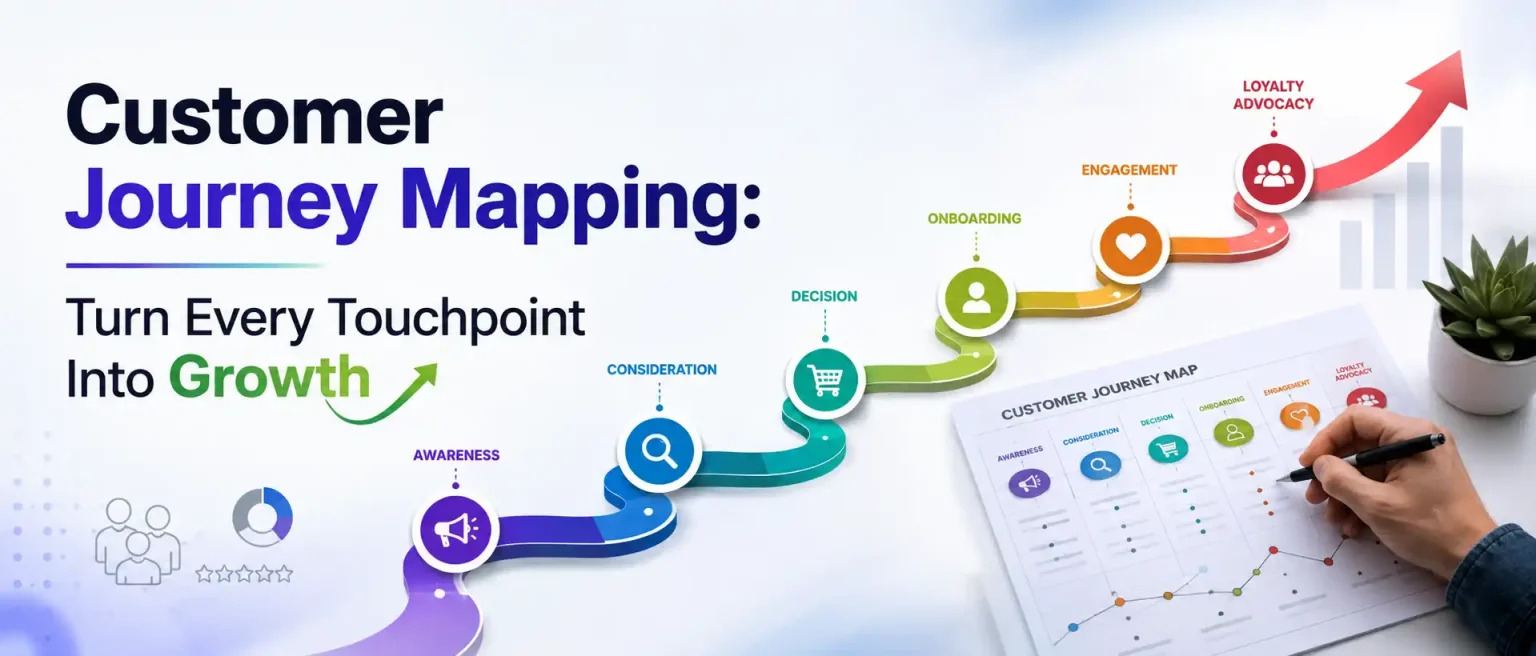
- Map customer journeys and identify high-impact friction points before selecting tools.
- Prioritize data governance, consent management, and security from day one.
- Integrate CX technology with CRM and back-office systems to retain context.
- Use incremental pilots to validate business value and operational feasibility.
- Establish clear KPIs and feedback loops for continuous improvement.
Implementation risks and mitigation
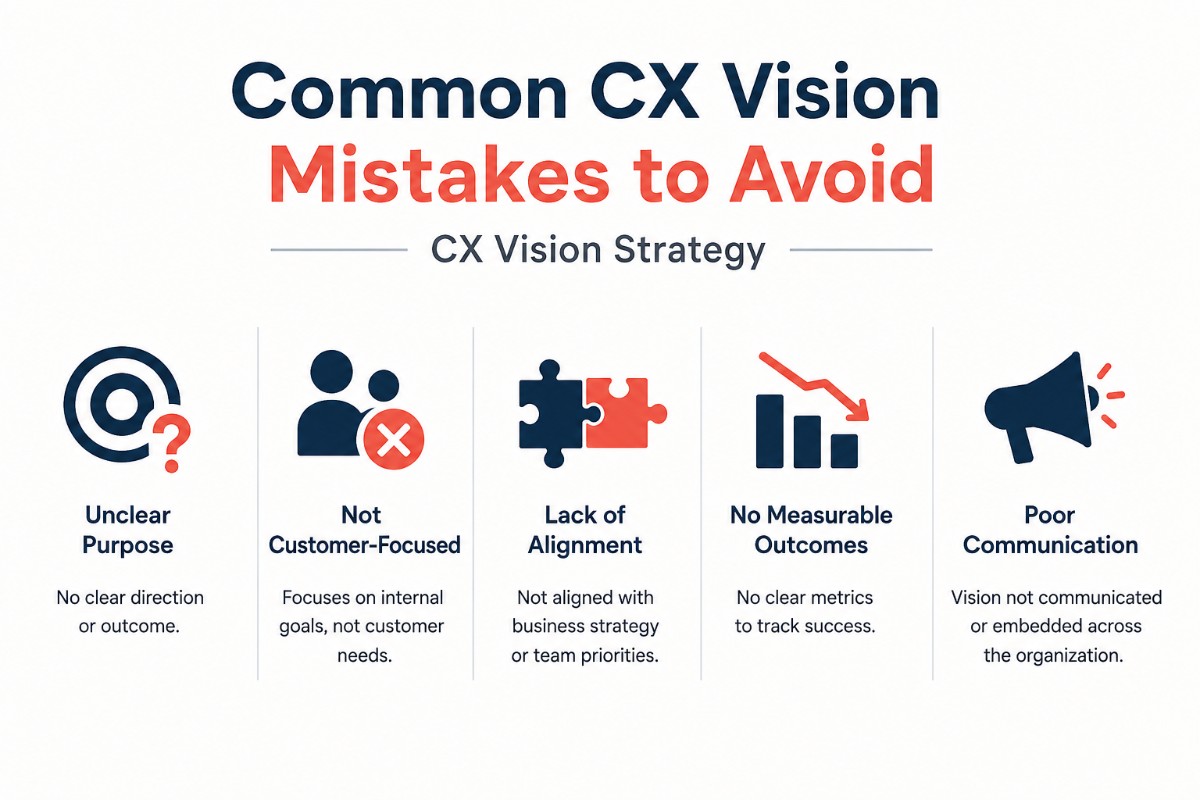
Common risks include siloed data, model bias, over-automation that hurts complex interactions, and regulatory breaches. Mitigation strategies involve cross-functional governance, regular audits, human review for sensitive decisions, and alignment with legal and compliance teams.
What is CX technology and why does it matter?
CX technology refers to the suite of tools—AI, analytics, CDPs, omnichannel platforms, and contact center systems—that enable organizations to design and manage customer interactions. It matters because it helps reduce friction, personalize experiences, and measure outcomes that affect retention and revenue.
How can organizations measure the ROI of CX technology?
Measure ROI through a combination of operational KPIs (handle time, first contact resolution), experience scores (CSAT, NPS), and financial metrics (churn rate, CLV, incremental revenue). Use pilots to attribute changes to specific technology changes and apply control-group testing where feasible.
What privacy and compliance issues should be considered with CX technology?
Key issues include lawful basis for data processing, transparent consent mechanisms, data minimization, retention policies, and safeguards against unauthorised access. Organizations should consult applicable regulations such as GDPR in the EU and guidance from national regulators like the FTC and follow NIST or ISO recommendations for technical controls.
Which teams should be involved in selecting CX technology?
Cross-functional involvement from customer experience, IT, data science, legal/compliance, marketing, and contact center operations leads to better requirements, integration, and governance. Including representatives from privacy and security teams early reduces rework and risk.
How will CX technology evolve in the next five years?
Expect broader adoption of generative AI for agent assist and content, stronger privacy-preserving personalization techniques, and more seamless orchestration between digital and physical channels. Regulatory focus on data use and AI transparency is likely to increase, shaping how technology is built and deployed.