Livestock and Dairy Farm Management: Building a More Efficient and Profitable Farm
-
- Published Updated
- 1,697 views
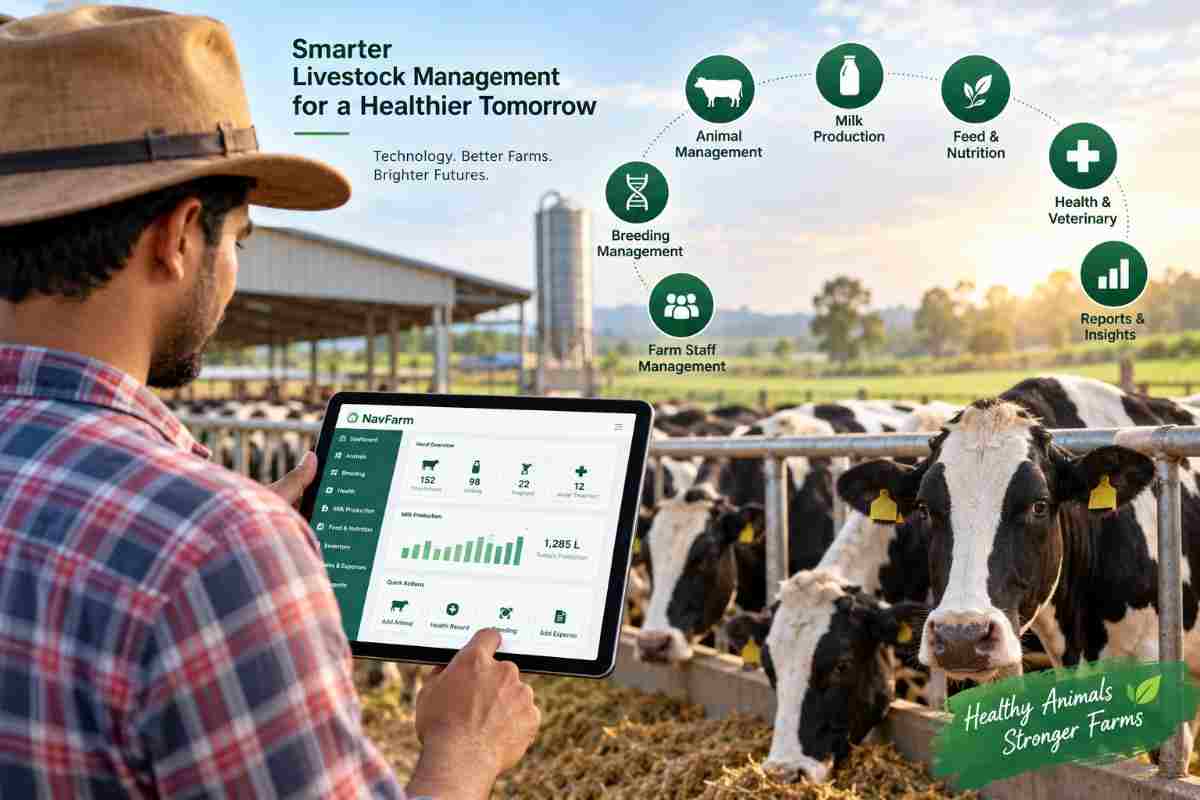
Livestock and dairy farming is a demanding business where small improvements in daily operations can make a meaningful difference. Farmers have to look after animals, manage feed, monitor health, handle breeding, track milk production, control expenses, and maintain supplies. When the number of animals increases, keeping everything organised becomes even more important.
Traditional registers and spreadsheets may work for smaller farms, but they can become difficult to manage as operations expand. Modern technology provides a practical way to bring important farm information together. With digital tools such as ERP for animal farm management, livestock businesses can create more organised processes and improve visibility across their operations.
Understanding Modern Livestock Farm Management
Livestock farm management covers almost every activity involved in running an animal-based farming business. It is not limited to feeding animals or collecting milk.
A well-managed farm needs to keep track of animal details, health activities, breeding schedules, feed consumption, milk production, inventory, purchases, sales, labour, and expenses.
When these records are maintained separately, finding accurate information can take time. A centralised digital system can make it easier to store, update, and access farm information whenever it is required.
Keeping Individual Animal Records Organised
Every animal on a farm can have different requirements and a different history. Information such as breed, age, health records, vaccinations, treatments, breeding history, and production performance can be useful when making farm management decisions.
An ERP for cattle farm management can help farmers maintain structured records for individual cattle. Instead of depending on paper registers, farm staff can access relevant information digitally.
This can be especially useful for larger dairy farms where manually checking hundreds of animal records can consume considerable time.
Managing the Herd More Effectively
A farm manager needs a clear picture of the entire herd, not just individual animals. Which animals are healthy? Which require treatment? Which are ready for breeding? Which animals are producing more milk? These are important questions for daily farm operations.
With ERP for herd management, farms can organise information related to different animals and groups within the herd.
Structured records can help managers monitor herd activities more systematically and understand changes in animal performance over time.
Improving Feed and Nutrition Planning
Feed is a major part of livestock farming. Animals require suitable nutrition for maintaining health, supporting growth, reproduction, and milk production.
Managing feed manually can make it difficult to understand exactly how much is being purchased and consumed. Digital records can provide better visibility into feed inventory and usage.
Farm managers can maintain information about feed purchases, available stock, consumption, and other related activities. This can help them plan requirements more effectively and reduce avoidable shortages or wastage.
Monitoring Animal Health and Veterinary Activities
Healthy animals are essential for a productive livestock operation. Regular vaccination, veterinary checks, treatments, and health monitoring need to be handled on time.
Digital farm records can help keep important health information organised. Veterinary activities and treatment histories can be recorded against individual animals, making it easier for farm staff to refer to previous information.
This organised approach can also help managers identify animals that require additional attention and keep important healthcare activities from being overlooked.
Tracking Milk Production and Farm Performance
For dairy farms, monitoring milk production is an important part of understanding farm performance. Production can vary from one animal to another and can also change over different stages of an animal's lifecycle.
Modern livestock management software can help dairy businesses maintain production records and organise information related to their animals.
Historical data can provide useful context when managers review farm performance, plan feeding requirements, or assess operational changes.
Managing Costs and Farm Inventory
A livestock business involves many expenses. Feed, medicines, veterinary services, equipment, labour, transportation, and other supplies all contribute to the cost of running a farm.
Without proper records, it can be difficult to understand where money is being spent or how much stock is available.
Digital management systems can help maintain organised records for purchases, expenses, inventory, and other transactions. Better visibility can make routine financial and operational management easier.
Supporting Farm Growth Through Technology
As a farm expands, manual management becomes increasingly challenging. More animals mean more records, more feed, more health activities, more employees, and more transactions.
Technology can provide a structured foundation for handling this growing amount of information. Instead of replacing the farmer's knowledge, digital systems support that knowledge with organised data and easier access to records.
This can help farm owners spend less time searching for information and more time focusing on important business and farming activities.
How NavFarm Can Support Livestock Businesses
NavFarm provides digital solutions for livestock and dairy farm management, helping businesses bring important operational information into a more structured environment.
For farms looking to improve the way they manage animal records, production information, resources, and daily activities, digital farm management can provide a practical step towards more organised operations.
As livestock businesses continue to grow, having reliable digital records can become increasingly valuable for planning and managing everyday activities.
Conclusion
Successful livestock and dairy farming requires consistent attention to animals, resources, people, and business operations. From feeding and healthcare to breeding, milk production, inventory, and expenses, every area contributes to the overall performance of a farm.
An ERP for animal farm management, ERP for cattle farm management, or ERP for herd management can help bring these activities into a more organised digital system. At the same time, livestock management software can give farm managers better visibility into important operational information.
For modern livestock and dairy businesses, digital management is becoming a useful way to handle growing complexity. With the right technology, farmers can organise their records, monitor operations more efficiently, and create a stronger foundation for future farm growth.