What Makes Premium Dark Chocolate Different From Everyday Chocolate?
-

- Published Updated
- 3,297 views
Chocolate can be found almost everywhere, but not every chocolate product delivers the same experience. Differences in cacao quality, processing, sweetness, texture, ingredients, and sourcing can significantly influence how chocolate tastes and how consumers perceive its overall quality. This is particularly noticeable when comparing everyday chocolate with premium dark chocolate, where the characteristics of the cacao itself often play a much more important role.
As consumers become more interested in ingredient transparency, responsible sourcing, and balanced formulations, they are also paying closer attention to where their chocolate comes from and how it is made. This has created greater interest in premium chocolate products that combine an enjoyable chocolate experience with thoughtfully selected ingredients.
What Defines Premium Dark Chocolate?
The term premium dark chocolate is generally associated with chocolate that places greater emphasis on cacao quality, flavor development, ingredient selection, and overall craftsmanship. Rather than relying primarily on sweetness, premium dark chocolate allows the natural characteristics of cacao to become an important part of the eating experience.
Cacao can have different flavor profiles depending on its origin, fermentation, roasting, and processing. Some varieties may have fruity or nutty characteristics, while others can offer deeper roasted, earthy, or naturally bitter notes. The percentage of cacao can also influence the intensity and character of the finished chocolate.
However, a higher cacao percentage alone does not automatically make a chocolate premium. The quality of the ingredients, manufacturing process, texture, balance, and overall formulation all contribute to the final product.
Why Ingredient Quality Matters
One of the biggest differences between premium and conventional chocolate is the attention given to ingredients. Chocolate is ultimately a food product, so consumers increasingly want to understand what is actually included in the products they purchase.
Quality cacao is an important starting point. Organic and responsibly sourced cacao can appeal to consumers who consider sourcing and production practices when choosing chocolate. Other ingredients also matter because they can affect sweetness, texture, mouthfeel, and nutritional characteristics.
For consumers looking for nutritious chocolate, the ingredient list can provide useful information about how a product fits into their preferences. Rather than judging chocolate only by its packaging or marketing, consumers can compare cacao content, sweeteners, fiber, protein, and other ingredients.
This shift toward greater ingredient awareness is helping redefine what people expect from modern chocolate.
The Difference Between Sweetness and Chocolate Flavor
Traditional chocolate products can sometimes rely heavily on sweetness. While sweetness is an important part of chocolate's appeal, too much sugar can overpower the more subtle flavors naturally present in cacao.
Premium dark chocolate tends to place more emphasis on balance. The goal is not necessarily to eliminate bitterness completely, but to create a combination of cacao intensity, sweetness, aroma, and texture that feels well-rounded.
This is one reason dark chocolate continues to attract consumers who want a richer chocolate experience. The flavor can be more complex, allowing the cacao to remain noticeable rather than simply functioning as a background ingredient.
Chocolate Is Becoming More Functional
Modern consumers are also looking beyond traditional indulgence. They want products that can fit into different lifestyles while still providing an enjoyable eating experience.
This has contributed to the development of chocolate products featuring ingredients such as protein and fiber. Instead of treating chocolate and wellness as completely separate categories, newer formulations explore how chocolate can be part of a more balanced approach to everyday eating.
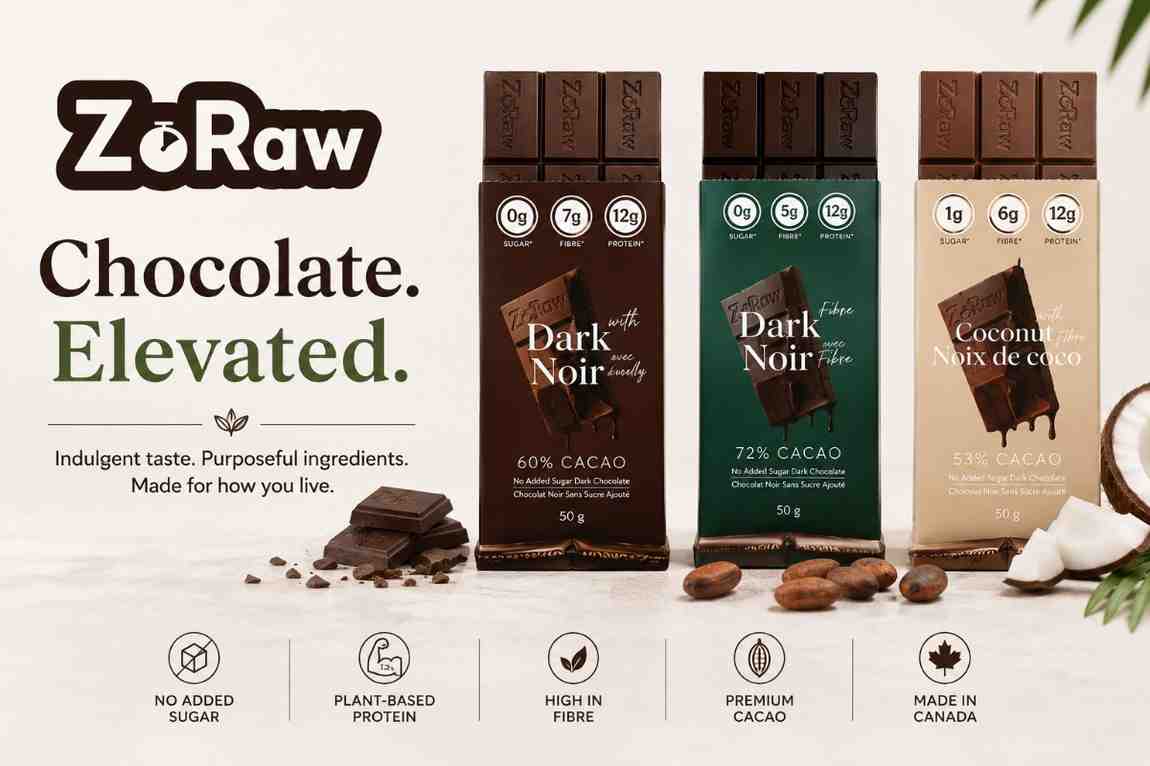
For example, some chocolate products incorporate protein and fiber while maintaining a chocolate-focused identity. The purpose is not necessarily to turn chocolate into a conventional nutrition product, but to provide additional characteristics that may appeal to consumers who want chocolate to be more satisfying.
ZoRaw Chocolates is an example of this broader movement toward functional confectionery, where chocolate remains central to the product experience while ingredients such as protein and fiber are incorporated into the formulation.
What Consumers Should Look For When Choosing Chocolate
Choosing a quality chocolate product does not have to be complicated. Consumers can begin by examining several straightforward factors.
1. Cacao Content
Cacao percentage provides an indication of how much of the product comes from cacao ingredients. Higher cacao percentages generally produce a more pronounced dark chocolate character, although percentage should not be the only measure of quality.
2. Ingredient List
A short, understandable ingredient list can make it easier to determine what a product contains. Consumers interested in cleaner formulations may want to compare sweeteners, oils, flavorings, and other ingredients between products.
3. Sugar Content
Sugar is another important consideration. People who prefer less-sweet chocolate can compare nutrition labels and select products that fit their individual dietary preferences.
4. Texture and Flavor
Good chocolate should provide more than a strong cocoa taste. Texture, aroma, melting characteristics, and flavor balance all influence the overall experience.
5. Sourcing and Manufacturing
Consumers increasingly want to know where cacao comes from and how the finished chocolate is produced. Responsible sourcing and transparent manufacturing can add another layer of value to the purchasing decision.
Why Canadian Chocolate Brands Are Gaining Attention
The chocolate market is not limited to large international manufacturers. Independent producers and regional companies are creating products that reflect their own approach to ingredients, sourcing, and product development.
A Canadian chocolate brand can offer consumers an alternative to mass-market chocolate while highlighting Canadian ownership, manufacturing, or product development. This can be particularly meaningful to shoppers who intentionally look for products connected to Canadian businesses.
Being a Canadian chocolate brand does not automatically determine whether a product is high quality. Instead, consumers should consider the same factors they would evaluate with any chocolate, including ingredients, cacao quality, formulation, sourcing, and transparency.
The growing interest in Canadian chocolate also reflects a broader consumer preference for discovering brands with a clear identity and a recognizable approach to product development.
Premium Does Not Simply Mean Expensive
It is easy to associate the word "premium" with a higher price, but price alone does not define premium chocolate.
A product may cost more because of packaging, positioning, distribution, or other commercial factors. At the same time, a reasonably priced product may still use quality ingredients and thoughtful production methods.
For this reason, consumers should look beyond price and evaluate the actual product. Cacao quality, ingredient transparency, flavor, texture, sourcing, and formulation provide much more useful indicators than price alone.
The Future of Premium Chocolate
The modern chocolate category is becoming increasingly diverse. Consumers can now find products designed around different dietary preferences, ingredient priorities, flavor profiles, and lifestyles.
This evolution is especially noticeable in premium dark chocolate, where consumers are looking for more than sweetness. They are exploring cacao origin, ingredient quality, responsible sourcing, lower-sugar formulations, and functional ingredients.
At the same time, the rise of the Canadian chocolate brand demonstrates that consumers are increasingly willing to explore products outside the biggest global chocolate companies. Smaller and independent brands can differentiate themselves through specialized formulations, transparent communication, and distinctive approaches to chocolate.
Ultimately, premium chocolate is about the complete experience. Cacao quality matters, but so do ingredients, formulation, sourcing, texture, flavor, and transparency. As consumers become more informed, these factors will continue to influence how they evaluate chocolate products.
For anyone exploring different chocolate options, understanding these characteristics can make it easier to distinguish between ordinary chocolate and products designed with greater attention to quality, balance, and ingredient purpose.