Decision Intelligence: How Data Science Enhances Better Organizational Choices
-

- March 13th, 2026
- 1,453 views
Decision intelligence begins where data science meets human judgment: it is a discipline that applies data, models, and structured processes to improve organizational decision making. The phrase decision intelligence describes methods that translate analytics and machine learning into repeatable choices, blending quantitative models with human context, governance, and feedback loops.
- Decision intelligence combines data science, decision theory, and organizational processes to make better, measurable choices.
- Core components include predictive models, causal reasoning, optimization, human-in-the-loop design, and governance.
- Key challenges are bias, data quality, transparency, and operationalizing models into decisions.
- Regulatory and ethical frameworks from organizations such as OECD and IEEE guide responsible deployment.
What is decision intelligence?
Decision intelligence is an interdisciplinary approach that turns data and analytics into actionable decisions. It integrates data science techniques—such as machine learning and predictive analytics—with decision modeling, causal inference, and behavioral insights to support or automate choices in business, public policy, healthcare operations, and other domains. Unlike isolated analytics, decision intelligence emphasizes the decision lifecycle: framing problems, designing interventions, modeling outcomes, deploying choices, and measuring impacts.
How decision intelligence uses data science
From raw data to decision-ready insights
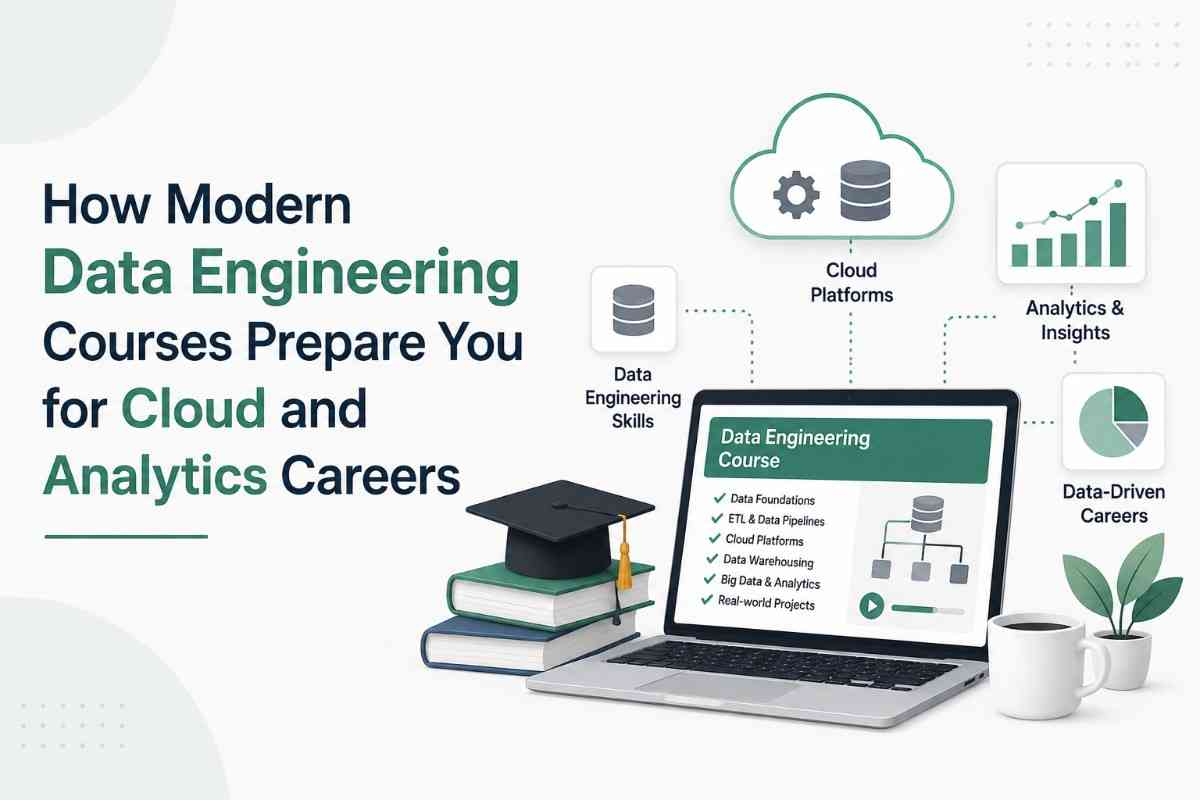
Data science provides the foundational tools used by decision intelligence: data engineering prepares datasets; exploratory analysis surfaces patterns; machine learning models predict outcomes; and model validation evaluates reliability. Decision intelligence adds layers that map predictions to decisions (for example, which customers to target or which interventions to prioritize) and quantifies trade-offs between alternatives.
Causal reasoning and simulation
Where predictive models estimate correlations, causal methods (such as causal graphs and instrumental variables) aim to identify cause-effect relationships that matter for decisions. Simulations and agent-based models test strategies in virtual environments, enabling scenario planning and stress-testing before real-world deployment.
Implementing decision intelligence in organizations
Designing processes and governance
Successful implementations frame decisions clearly, specify objectives and constraints, and assign responsibilities for outcomes. Governance controls—model registries, versioning, audit trails, and ethical reviews—help ensure decisions meet legal and organizational standards. Several standards and policy guides from bodies like the OECD provide principles for trustworthy AI and automated decision systems (see OECD guidance on AI and trustworthy systems for high-level recommendations).
Human-in-the-loop and change management
Decision intelligence often keeps humans in the loop for oversight, interpretation, and exception handling. Change management includes training stakeholders to interpret model outputs, aligning incentives with new decision processes, and updating standard operating procedures to incorporate data-driven recommendations.
Common methods and technologies
Predictive analytics and machine learning
Supervised learning (classification and regression) and time-series forecasting are common for estimating future states. Model explainability tools and performance metrics are essential for trust and monitoring.
Optimization and decision modeling
Optimization techniques (linear programming, integer programming, and stochastic optimization) translate objectives and constraints into an actionable plan. Multi-criteria decision analysis and utility models capture trade-offs between competing goals.
Knowledge graphs and decision workflows
Knowledge graphs and rule-based systems encode domain knowledge and policies, improving interpretability. Workflow orchestration tools operationalize decision pipelines, moving models from experimentation into production.
Challenges and limitations
Barriers to effective decision intelligence include biased or incomplete data, model overfitting, concept drift (where relationships change over time), and lack of transparency in complex algorithms. Ethical considerations—fairness, accountability, and privacy—must be addressed through rigorous testing, documentation, and stakeholder engagement. Regulatory environments vary across sectors; standards from technical bodies such as IEEE and guidance from regulators like NIST can inform risk management approaches.
Measuring impact and continuous improvement
Evaluating decision intelligence requires clear metrics linked to organizational goals: accuracy of predictions, uplift in key performance indicators, cost savings, or error reduction. A/B testing, holdout experiments, and causal impact analysis help quantify benefits. Continuous monitoring and feedback loops ensure models remain effective and aligned with changing conditions.
Future trends
Emerging directions include explainable AI that provides human-understandable reasoning for decisions, decision as a service platforms that standardize pipelines, digital twins for dynamic simulation of systems, and tighter integration of causal discovery methods. As regulatory scrutiny increases, transparent documentation and provenance of decisions will grow in importance.
FAQ
What is decision intelligence and why does it matter?
Decision intelligence matters because it bridges the gap between analytic output and real-world choices. By combining data science models with decision frameworks, organizations can make more consistent, measurable, and defensible decisions, reducing risk and improving outcomes.
How does decision intelligence differ from business intelligence?
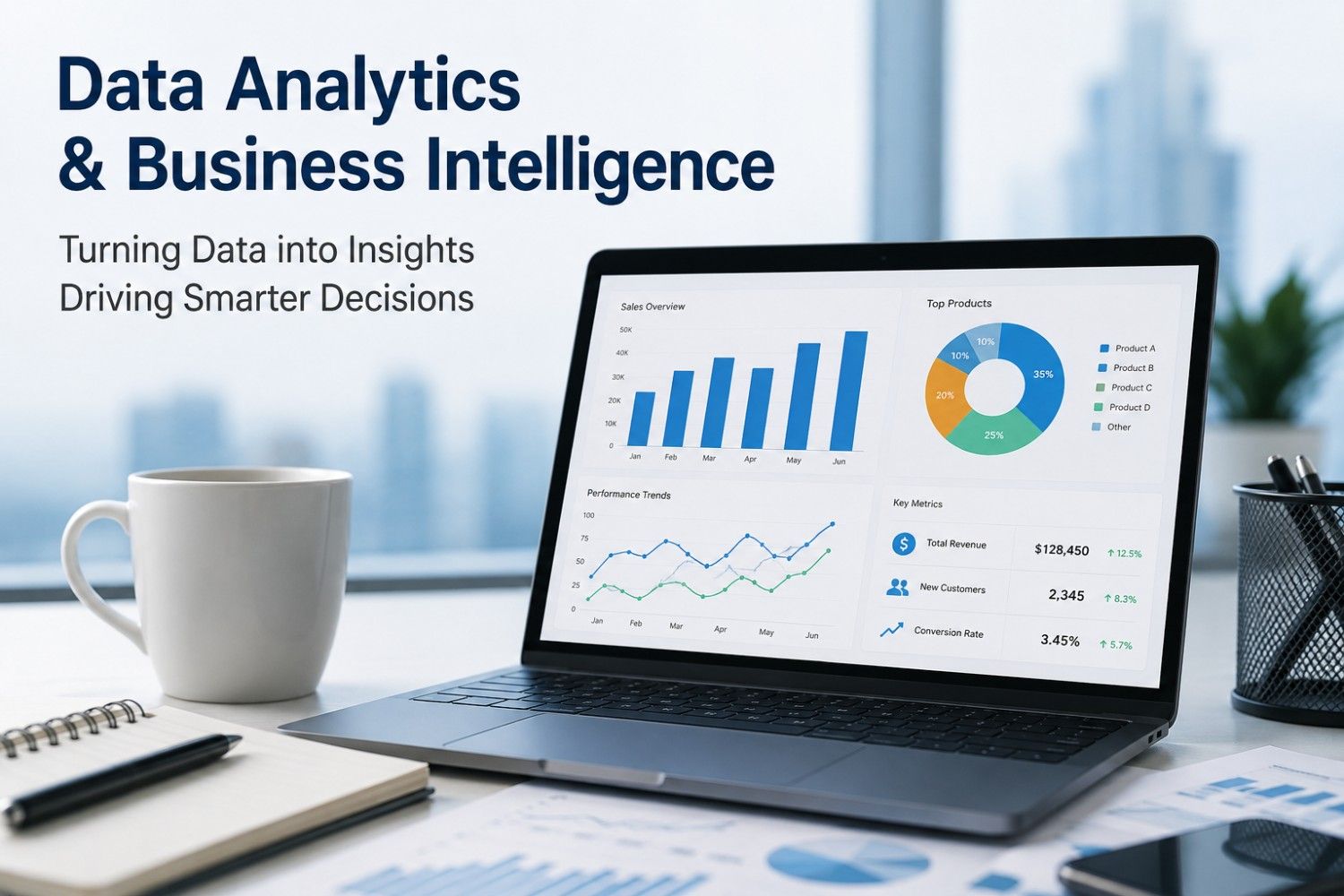
Business intelligence focuses on reporting and descriptive analytics—what happened. Decision intelligence extends beyond description to prescriptive guidance: it models outcomes, evaluates options, and recommends or automates specific actions based on objectives and constraints.
What skills and roles support decision intelligence projects?
Successful teams include data engineers, data scientists, decision analysts, subject-matter experts, ethicists or compliance officers, and product or operations managers who can translate model outputs into operational processes.
How should organizations evaluate the trustworthiness of decision intelligence?
Assessment should cover data provenance, model performance, fairness audits, explainability, human oversight, documentation, and compliance with relevant standards. Independent testing and periodic reviews help maintain trust as systems evolve.
For guidance on high-level principles for trustworthy AI and automated decision systems, consult the OECD's recommendations on AI and policy frameworks: OECD AI Principles.